
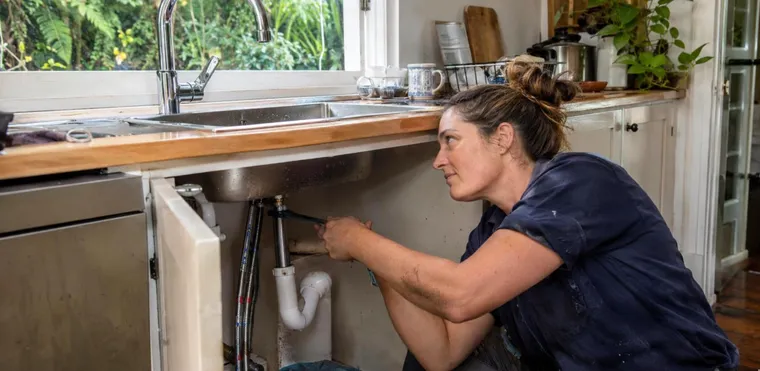
New Zealand's plumbing industry has had a year worth celebrating. Master Plumbers, Gasfitters and Drainlayers New Zealand announced in July 2026 that Felicity Caird will chair its board for 2026 to 2027, making her the first woman to hold the role in the organisation's 125-year history. In September, Master Plumbers reported that more than 60 plumbers and drainlayers had already been approved under the country's new self-certification scheme, which lets qualified tradespeople sign off their own work and aims to reduce inspection delays. Earlier in the year, a 1 May 2026 deadline for lead-free plumbing products took effect, a change Master Plumbers backed for its public health benefits. And the association launched an AI tool to help tradespeople find building standards and regulations in seconds. Together, these milestones paint a picture of an industry that is modernising, opening its doors wider and putting public health first.
At Best Plumbers, New Zealand is one of our most loyal international audiences, and we love seeing Kiwi plumbers lead the way. This article brings together the year's biggest New Zealand plumbing stories and explains what they mean for homeowners, tradespeople and the wider plumbing world.
A Historic First: Felicity Caird Takes the Chair
Master Plumbers announced its 2026 to 2027 board at its annual general meeting in July, with Felicity Caird becoming the organisation's first female Chair in 125 years. That is a genuine milestone. Plumbing has long been one of the most male-dominated trades in the world, and women remain a small share of the workforce in New Zealand, Australia, the United Kingdom, North America and elsewhere. Seeing a woman lead one of the country's most important trade associations sends a powerful message to young women considering the trade: there is a place for you here, all the way to the top.
We have been strong advocates for more women in plumbing, a topic we explored in depth in women in plumbing: small numbers, big impact. Representation matters. When young people see leaders who look like them, they are more likely to imagine themselves in the role. Congratulations to Felicity Caird and the new board.
Self-Certification: 60-Plus Approved and Counting
New Zealand passed legislation in 2026 creating an opt-in scheme that allows endorsed plumbers and drainlayers to certify that their work complies with a building consent, without needing an inspection by a building consent authority for that work. The Building and Construction Sector (Self-certification by Plumbers and Drainlayers) Amendment Act 2026 received royal assent on 2 June 2026, with most provisions in force from 30 June 2026. By 17 September, Master Plumbers reported that more than 60 plumbers and drainlayers had been approved under the scheme.
The goal is to save time and reduce unnecessary inspection delays, which can hold up building projects and add costs for homeowners. Master Plumbers welcomed government changes earlier in the year to strengthen the scheme. Under the broader reform program, stronger occupational licensing rules are also being developed for building practitioners, electrical workers and plumbers, gasfitters and drainlayers.
Balancing speed and accountability
Self-certification only works if it comes with strong accountability. Endorsed practitioners must meet qualification and experience requirements, and the legislation includes offences and powers to suspend or remove endorsements when required. For homeowners, the practical advice is straightforward: if your plumber or drainlayer self-certifies, ask to see their endorsement and keep copies of all certification records for your property. We covered the scheme's early development in New Zealand lets trusted plumbers and drainlayers self-certify.
The 1 May 2026 Lead-Free Deadline
One of the most important public health changes of the year was New Zealand's lead-free plumbing deadline, which took effect on 1 May 2026. Master Plumbers backed the deadline, citing public health benefits and industry readiness, and reported in late 2025 that manufacturers and suppliers had been making compliant products readily available ahead of time.
Lead is a neurotoxin with no known safe level of exposure, and children are especially vulnerable. Older brass fittings and tapware can contain lead that leaches into drinking water, particularly when water sits in pipes for long periods. Moving to lead-free products reduces that risk for every new installation. Australia has made a similar change, which we covered in our report on Australia's lead-free rules, and countries around the world are tightening standards.
The online tapware warning
Master Plumbers also highlighted a Consumer NZ test in 2025 that found a cheap tapware product sold online exceeded lead safety standards. That is exactly why buying certified products from reputable suppliers, and having them installed by licensed plumbers, matters. We explained how to recognise genuine certification marks in fake faucets and real marks.
Toby: AI Comes to the Trade
In July, Master Plumbers launched Toby, an AI tool designed to help plumbers, gasfitters and drainlayers find building standards and regulations quickly, without manually searching through long documents. Anyone who has tried to locate a specific clause in a building code knows how much time that can save. AI tools like this will not replace professional judgment, but they can help busy tradespeople check requirements on the job, answer customer questions and avoid mistakes. It is one more sign of a trade embracing modern technology, a trend we have seen around the world, including the rise of AI in how homeowners find contractors, which we explored in our coverage of AI search and plumbers.
Bigger Changes in New Zealand Water Services
These industry milestones sit alongside major reforms to New Zealand's water services. Under the Local Water Done Well program, councils are restructuring how drinking water, wastewater and stormwater services are delivered and funded. We explained the program in how New Zealand is rebuilding its water services. In the capital, Wellington Water is giving way to a new entity, which we covered in goodbye Wellington Water, hello Tiaki Wai. Better-funded water services will need skilled plumbers and drainlayers to replace aging pipes, reduce leaks and connect new homes, which makes workforce development more important than ever.
What Master Plumbers Wants Next
Master Plumbers' 2026 Advocacy Action Plan calls for three things that stand out:
- Apprenticeship funding, to keep training pipelines strong as experienced tradespeople retire.
- Investment in biomethane, a renewable gas that can use existing gas infrastructure. New Zealand and Australia are also preparing gas installation standards for renewable gases, which we covered in Australia and New Zealand are rewriting the gas rulebook.
- Stronger lead-free product compliance, to keep unsafe products out of homes, especially through online sales channels.
Each of these priorities lines up with challenges we see worldwide: workforce shortages, the transition to cleaner energy and the flood of uncertified products sold online.
Granny Flats and What Homeowners Should Know
In January 2026, Master Plumbers noted that certain standalone dwellings up to 70 square metres, often called granny flats, no longer need building consent, subject to compliance requirements. That change makes it easier for families to add small homes for relatives or rental income. But an exemption from consent does not mean an exemption from good plumbing. Water supply, drainage, hot water and gas connections must still meet requirements and be done by authorised professionals. Poorly installed drainage in a small dwelling can cause the same health and property problems as in a large one. If you are planning a granny flat, involve a licensed plumber and drainlayer early. Our general guidance on accessory dwellings and residential plumbing applies.
Practical Advice for Kiwi Homeowners
- Check registration. Always confirm your plumber, gasfitter or drainlayer is registered with the Plumbers, Gasfitters and Drainlayers Board.
- Keep records. Store records of work, certificates and any self-certification documents with your property records.
- Buy certified products. Avoid cheap uncertified tapware and fittings from online marketplaces.
- Prepare for the seasons. In colder regions, protect pipes from frost, and our winter plumbing tips can help.
- Maintain your hot water cylinder. Check the tempering valve and pressure relief valve, and have the cylinder serviced periodically.
Why More Women in Plumbing Matters
Felicity Caird's appointment is a good moment to talk about why the trade benefits from more women. The most obvious reason is numbers: when an industry draws from only half the population, it struggles to fill jobs. Every country we cover faces a shortage of plumbers, and recruiting more women is one of the clearest ways to close the gap. There are also customer benefits. Many homeowners, including older people living alone and families with young children, say they feel more comfortable with a diverse range of tradespeople in their homes. Women plumbers often report that customers appreciate clear communication and careful work, qualities that every good plumber should bring.
Barriers remain, from a lack of visible role models to job sites and equipment designed only with men in mind. Leadership from people like Felicity Caird helps break those barriers down. So do practical steps: mentoring programs, apprenticeship outreach in schools, proper personal protective equipment in all sizes and workplaces that do not tolerate harassment. Associations, employers and training providers all have a role to play.
Hot Water Cylinders and Tempering Valves
Many New Zealand homes use mains pressure or low pressure hot water cylinders, along with tempering valves that limit the temperature at bathroom fixtures to reduce the risk of scalding. Cylinders must store water hot enough to control Legionella bacteria, while tempering valves blend it down to a safe temperature at the tap. Both need periodic checks. Pressure relief valves should discharge occasionally, not continuously, and a cylinder that leaks or rumbles may need attention. If your cylinder is old, a registered plumber can advise on replacement, including efficient options such as heat pump water heaters. Our Water Heaters 101 guide explains the main types.
Lessons for the Wider Plumbing World
New Zealand's year offers lessons for other countries. A trade association that elects its first female leader shows that tradition and progress can go together. A self-certification scheme with real accountability shows how regulation can become more efficient without sacrificing safety. A firm lead-free deadline, supported by industry, shows how public health improvements can be implemented smoothly when suppliers are given time to prepare. And an AI tool for codes shows how technology can support skilled workers rather than replace them. Plumbing industries in the United States, Canada, the United Kingdom, Ireland, Australia and South Africa can all learn from these examples.
Simple Lead Precautions for Older Homes
The lead-free deadline protects new installations, but many homes still have older tapware and fittings. Until you replace them, a few habits reduce risk. Use cold water for drinking and cooking, because hot water draws more metals from fittings. If water has been sitting in pipes overnight or while you were away, run the cold tap briefly before using it for drinking. Clean aerators regularly, since debris can collect there. And when you renovate a kitchen or bathroom, choose certified lead-free products and have them installed by a registered plumber. These steps are simple, inexpensive and especially worthwhile in households with babies, young children or pregnant women. If you are unsure what your tapware is made of, a registered plumber can inspect it and recommend certified replacements that meet the new requirements.
These small habits cost nothing and protect the people who matter most. They are also a good reminder that plumbing is, at its heart, a public health profession.
Our Take
Congratulations to Master Plumbers New Zealand and to Felicity Caird on a historic year. From self-certification to lead-free products to new leadership, Kiwi plumbing is moving forward with confidence and care for public health. We are proud to serve New Zealand homeowners and to celebrate the professionals who keep their homes safe.
Looking for a trusted plumber in New Zealand? Explore our picks for the best plumbers in Auckland, Wellington and Christchurch, or search for plumbers near you.
Frequently Asked Questions About New Zealand Plumbing Changes in 2026
1. Who is Felicity Caird?
The new Chair of Master Plumbers New Zealand for 2026 to 2027 and the first woman in the role in 125 years.
2. What is Master Plumbers New Zealand?
The national association for plumbers, gasfitters and drainlayers in New Zealand.
3. What is self-certification in New Zealand?
An opt-in scheme letting endorsed plumbers and drainlayers certify their work complies with a building consent without a council inspection.
4. When did self-certification take effect?
The amendment act received assent on 2 June 2026, with most provisions in force from 30 June 2026.
5. How many plumbers are approved to self-certify?
More than 60 plumbers and drainlayers as of 17 September 2026, according to Master Plumbers.
6. Is self-certification safe?
It includes qualification requirements and accountability measures, including powers to suspend endorsements.
7. What is the New Zealand lead-free deadline?
From 1 May 2026, plumbing products must meet lead-free requirements.
8. Why does lead-free plumbing matter?
Lead is a neurotoxin, and older brass fittings can leach lead into drinking water.
9. Are online tapware products safe?
Not always. A Consumer NZ test found one cheap online product exceeded lead standards.
10. What is Toby?
An AI tool from Master Plumbers that helps tradespeople find building standards and regulations quickly.
11. What does the Master Plumbers advocacy plan call for?
Apprenticeship funding, biomethane investment and stronger lead-free product compliance.
12. What are granny flat exemptions?
Certain standalone dwellings up to 70 square metres no longer need building consent, subject to compliance requirements.
13. Do granny flats still need licensed plumbing?
Yes. Plumbing and drainage must still be done by authorised professionals and comply with requirements.
14. Who regulates plumbers in New Zealand?
The Plumbers, Gasfitters and Drainlayers Board.
15. How do I check a plumber's registration in New Zealand?
Use the Plumbers, Gasfitters and Drainlayers Board public register.
16. Are there many women plumbers in New Zealand?
Women remain a small share of the trade, but numbers and visibility are growing.
17. How old is Master Plumbers New Zealand?
The association marks 125 years, according to its announcement.
18. Is New Zealand short of plumbers?
Like many countries, New Zealand faces demand for more trained plumbers.
19. What should I keep after plumbing work?
Records of work, certificates, consents and any self-certification documents.
20. Should I replace old brass taps?
Consider replacing very old tapware with certified lead-free products, especially for drinking water.
21. How can I reduce lead exposure from older taps?
Run cold water before drinking after periods of non-use and use certified filters if concerned.
22. What is biomethane?
Upgraded biogas that can be used like natural gas, which Master Plumbers wants more investment in.
23. Does Best Plumbers cover New Zealand?
Yes. Best Plumbers serves readers and homeowners in New Zealand and around the world.
24. How do I become a plumber in New Zealand?
Through an apprenticeship and registration with the Plumbers, Gasfitters and Drainlayers Board.
25. How do I find a trusted plumber in New Zealand?
Use Best Plumbers to find established, well-reviewed plumbers near you.
Sources
- Master Plumbers New Zealand: News and Media
- New Zealand Legislation: Building and Construction Sector (Self-certification by Plumbers and Drainlayers) Amendment Act 2026
- MBIE: Bills on self-certification and stronger licensing pass first readings

