
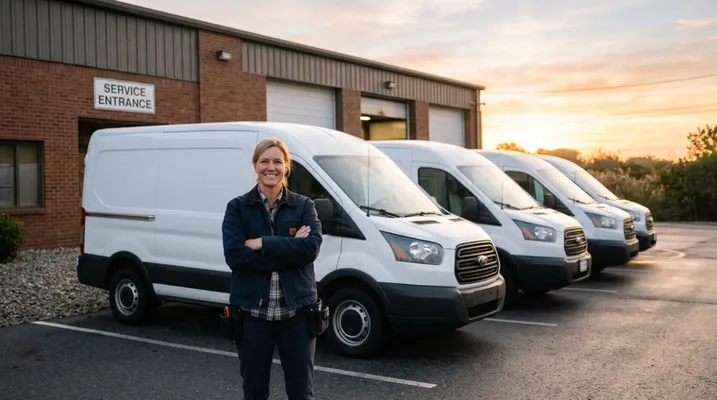
Women made up about 3.1 percent of plumbers, pipefitters and steamfitters in the United States in 2025, roughly 19,000 tradeswomen, according to the Institute for Women's Policy Research. That share is small, but it has grown dramatically from well under 1 percent a decade ago. Across construction trades, an estimated 365,070 women worked in construction and extraction occupations in 2025. With the plumbing industry facing a serious worker shortage in country after country, welcoming more women is not just fair, it is essential. Here is where things stand and how the trade can do better.
By the Best Plumbers Editorial Team. Published November 22, 2026.
Ask most people to picture a plumber and they picture a man. Yet women have worked in the plumbing trade for generations, often quietly running family businesses, managing dispatch and office operations, and in growing numbers, working with the tools. Today, women own plumbing companies, lead union locals and training centers, win apprentice competitions, inspect buildings and teach the next generation. At Best Plumbers, we have celebrated plumbers of every background since 2002, and we believe the trade's future depends on recruiting from the whole population.
What the Numbers Show
The Institute for Women's Policy Research analyzes government survey data each year to track women in construction. Its 2025 figures show:
Plumbers, pipefitters and steamfitters. About 19,344 women, or 3.1 percent of the occupation, close to the 2024 estimate of about 20,352, or 3.2 percent. Because the sample is small, year to year comparisons are imprecise, but the longer trend is clearly upward from about 0.7 percent in 2015.
All construction and extraction occupations. About 365,070 women, or 4.3 percent, roughly steady from 2024, which itself was a record.
Other trades. Women were about 3.1 percent of carpenters, 3.5 percent of electricians, 4.7 percent of construction laborers and 11.1 percent of painters.
The same pattern appears in many countries. In the United Kingdom, Australia, Canada, New Zealand and Ireland, women remain a small minority of licensed plumbers, though programs to recruit and support them are expanding.

Mentorship from experienced tradeswomen helps new apprentices build skills and confidence and stay in the trade.
A Short History of Women in the Trade
Women's role in plumbing is older than many realize. For much of the twentieth century, women worked behind the scenes in family plumbing businesses, keeping books, scheduling jobs and managing customers, often while husbands and sons held the licenses. During the world wars, women filled skilled trade roles in shipyards and factories, including pipefitting work, proving their ability before most were pushed out when the wars ended. In later decades, pioneering women fought to enter apprenticeships, sometimes facing open hostility and outright exclusion. Equal opportunity rules for apprenticeship programs, changing attitudes and the persistence of those early tradeswomen gradually opened doors. Many of today's women plumbers stand on the shoulders of those pioneers, and the steady rise in their numbers over the past decade continues that story.
What Customers Say
In reviews across our directory and in conversations with plumbing company owners, a few themes come up again and again when customers describe positive experiences with women technicians. They mention clear explanations of the problem and the options, careful attention to keeping the home clean, patience with questions and a reassuring presence during stressful emergencies. Of course, these qualities belong to great plumbers of every gender, and customers praise them wherever they find them. The point is that the trade wins when it attracts more people who care about doing excellent work and treating customers well.
Why the Trade Needs More Women
The plumbing industry faces a well documented worker shortage, which we covered in our articles on plumbing's worker gap and the data center boom's demand for pipe trades. Experienced plumbers are retiring faster than new ones enter. Recruiting only from half the population makes that gap far harder to close.
Women also bring strengths that customers value. Many homeowners say they appreciate having a choice of technician, particularly when they are alone at home, elderly or simply more comfortable with a woman in their house. Clear communication, attention to detail and a calm, respectful manner are valuable in every plumber, and broadening the workforce brings more of them into the trade. Diverse teams also tend to bring fresh ideas about customer service, safety and business management.
What Draws Women to Plumbing
Tradeswomen often describe the same rewards that draw anyone to plumbing, and many say they wish they had learned about the career sooner. Here are the benefits they mention most:
Earn while you learn. Apprenticeships pay wages from day one, with raises as skills grow, and avoid crushing student debt.
Strong pay. Licensed plumbers earn solid incomes, and pay in the trades is generally set by skill and license level.
Problem solving. Diagnosing a hidden leak or designing a drainage system is genuinely satisfying.
Helping people. Restoring water or heat to a family on a cold night is meaningful work.
Ownership. Many plumbers go on to start their own companies, and women owned plumbing businesses are growing.
Learn about training options in our articles on booming trade schools and the next generation of apprentices.
What Holds Women Back
Honest conversations about barriers help the industry fix them. Tradeswomen and researchers commonly point to:
Awareness. Many girls are never told a plumbing career is an option. School counselors and parents may steer them elsewhere.
Job site culture. Some women report feeling isolated as the only woman on a crew, or facing harassment or disrespect. Most plumbers are welcoming, but it takes only a few bad experiences to drive someone out.
Practical issues. Ill fitting personal protective equipment, lack of clean restroom facilities on job sites and inflexible schedules that make childcare difficult are recurring complaints.
Retention. Recruiting women is only half the challenge; keeping them through apprenticeship and beyond requires mentorship and support.
Supporters of targeted programs argue they are needed to overcome these barriers. Others prefer broad recruitment efforts aimed at everyone. In practice, many employers find that steps like proper fitting gear, clean facilities, mentorship and zero tolerance for harassment improve the workplace for all workers, not just women.
Programs Making a Difference
Unions, contractors, associations and schools are working to change the picture. Many union locals have formed women's committees that offer networking and mentorship. Nonprofit pre apprenticeship programs help women gain basic skills and confidence before entering formal training. Trade associations highlight women leaders and run recognition programs, and industry media regularly profile influential women in plumbing. Some manufacturers now offer tools and protective equipment designed for a wider range of body sizes. Find industry groups on our plumbing associations page, and see inspiring voices on our plumbing influencers page, which includes tradeswomen who share their work online.

From rough in to finish work, women plumbers do every part of the job. Skill, not gender, makes a great plumber.
A Day in the Life
What does a typical day look like for a woman working as a service plumber? Much like it does for anyone in the role. The morning starts with a check of the schedule and a stop at the supply house for parts. The first call might be a water heater that stopped heating, followed by a slow kitchen drain, a leaking shutoff valve under a bathroom sink and an estimate for a full repipe in an older home. Between calls, there is paperwork, photos for records and conversations with dispatchers about emergencies that come in during the day. Some days run long when a burst pipe or sewer backup cannot wait. Many tradeswomen say the variety is what they love most: no two days are alike, and every job is a puzzle to solve. Others work in new construction, where they rough in plumbing for homes or commercial buildings as part of a larger crew, or in industrial settings where precision pipefitting is the focus. There is room in the trade for every interest and personality.
Advice for Women Considering Plumbing
If you are thinking about a plumbing career, whether you are finishing high school, changing careers in your thirties or returning to work after raising a family, here is practical advice from people who have walked the path. Research local apprenticeship programs through unions, contractor associations and community colleges. Ask whether the program has women members or mentors you can talk to. Take a pre apprenticeship course if you want to build basic skills and confidence first. Invest in properly fitting boots and gloves. Build relationships with supportive colleagues and supervisors. Keep your eyes on the license; credentials give you independence and options. And remember that persistence pays: the first year is often the hardest. Browse opportunities on our plumbing jobs page, and learn why the industry is so eager for new talent in our article on the plumbing apprentice shortage.
What Plumbing Companies Can Do
Business owners who want to recruit and keep great employees of every background can take concrete steps. Show women in your recruiting materials and on your website. Partner with schools and pre apprenticeship programs. Provide well fitting PPE and clean facilities. Pair new hires with mentors. Set clear expectations for respectful conduct and enforce them consistently. Offer predictable schedules where possible. Promote based on skill and performance. These practices strengthen any company's culture and reputation, which in turn shows up in customer reviews. Learn how Best Plumbers evaluates companies on our how we rank page.
Warning for Consumers: Hire on Skill and Credentials
For homeowners, the lesson is simple: hire the most qualified, trustworthy plumber, regardless of gender. Verify licensing and insurance, read reviews, get written quotes and choose a professional who communicates clearly. If you prefer a woman technician for comfort or personal reasons, it is perfectly reasonable to ask a company whether one is available.
Celebrating Tradeswomen
To every woman who has picked up a pipe wrench, endured cold job sites, earned a license, started a company or mentored an apprentice: thank you. You are making the trade stronger and showing the next generation what is possible. Watch inspiring stories from across the trade on our videos page.
Looking Ahead
We are optimistic. Young women today see tradeswomen online, at career fairs and in their own communities in ways earlier generations never did. Schools are reintroducing hands on technical education. Employers are realizing that recruiting from the whole population is good business. If the current trend continues, the share of women in plumbing could keep climbing for years, and the trade will be stronger for it. We look forward to featuring many more women owned companies and women plumbers in the Best Plumbers directory, and to celebrating their achievements.
How Best Plumbers Helps
Best Plumbers has been the Internet's original plumbing directory since July 12, 2002, and the most trusted. We list every plumbing company and every review, good and bad, and our Best Plumbers Recommended seal marks companies we trust most. We never sell leads. Find great plumbers through our locations directory and read the reviews.
The Bottom Line
Women are still a small share of plumbers, but their numbers have grown sharply over the past decade, and the trade needs many more. Better awareness, welcoming job sites, mentorship and practical support can help. For the industry, recruiting women is a key to solving the worker shortage. For young women, plumbing offers a rewarding, well paid, debt free career path.
Frequently Asked Questions About Women in Plumbing
1. What percentage of plumbers are women?
In the United States, women were about 3.1 percent of plumbers, pipefitters and steamfitters in 2025, according to IWPR.
2. How many women work as plumbers in the US?
IWPR estimates about 19,344 women worked as plumbers, pipefitters and steamfitters in 2025.
3. Has the number of women plumbers grown?
Yes. The share rose from about 0.7 percent in 2015 to about 3 percent in recent years.
4. How many women work in construction trades overall?
About 365,070 women worked in US construction and extraction occupations in 2025, about 4.3 percent.
5. Why does plumbing need more women?
The trade faces a worker shortage, and recruiting from the whole population helps close the gap.
6. Is plumbing a good career for women?
Yes. It offers paid apprenticeships, strong pay, problem solving, helping people and business ownership opportunities.
7. What barriers do women face in plumbing?
Common barriers include low awareness, isolation on job sites, ill fitting gear, lack of facilities and retention challenges.
8. Are there programs for women entering plumbing?
Yes. Union women's committees, pre apprenticeship programs and industry networks offer training and mentorship.
9. Do women plumbers earn the same as men?
Pay in the trades is generally based on skill, license level and union scale, which can support pay equity.
10. How do I start a plumbing apprenticeship?
Contact local unions, contractor associations or community colleges about apprenticeship programs and requirements.
11. What is a pre apprenticeship?
A short program that teaches basic skills and safety to prepare participants for formal apprenticeship.
12. Can I request a woman plumber?
Yes. It is reasonable to ask a company whether a woman technician is available.
13. Are there women owned plumbing companies?
Yes. Women own and lead plumbing businesses across many countries, and their numbers are growing.
14. Is plumbing physically demanding?
It can be, but proper technique, tools and equipment make the work manageable for people of many builds.
15. What gear helps women in the trades?
Properly fitting boots, gloves, harnesses and protective clothing improve both safety and comfort.
16. How can companies retain women plumbers?
Mentorship, fair promotion, clean facilities, proper gear, respectful culture and predictable schedules help.
17. Are women plumbers common outside the US?
They remain a minority in most countries, though recruitment programs are growing in the UK, Australia, Canada and elsewhere.
18. Do apprentices pay for training?
Many apprenticeships pay wages while training, and costs for classes are often low or covered.
19. Can plumbing lead to business ownership?
Yes. Many licensed plumbers start their own companies after gaining experience.
20. What skills make a great plumber?
Problem solving, attention to detail, communication, reliability and a commitment to safe, code compliant work.
21. How can parents encourage daughters to consider trades?
Share information about trade careers, visit training centers and connect with tradeswomen who can mentor.
22. Is the plumbing industry welcoming to women?
Many companies and unions are, and conditions are improving, though experiences vary. Mentors and networks help.
23. Where can I find plumbing jobs?
Search the Best Plumbers plumbing jobs page, union locals, trade schools and contractor associations.
24. How do I find a trusted plumber?
Search Best Plumbers, read every review, look for the Best Plumbers Recommended seal and confirm licensing.
25. Why does Best Plumbers celebrate women in plumbing?
Since 2002, Best Plumbers has championed the trade, and a stronger, more diverse workforce benefits everyone.
Sources
Institute for Women's Policy Research, Numbers Matter: Women Working in Construction in 2025 and women's construction jobs held steady in 2025. NPR, plumbers union recruiting women.

