
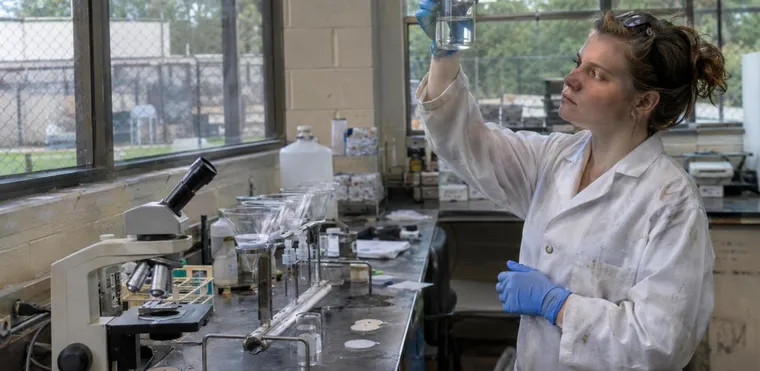
Microplastics seem to be everywhere: in oceans, soil, food, air and, yes, water. It is natural for families to wonder what that means for the water coming out of their kitchen tap. A new report from two of North America's most important water organizations offers an honest answer: scientists still have a lot to learn, and they now have a clear list of what to study first. According to PHCP Pros on November 23, 2026, the American Water Works Association and the National Association of Clean Water Agencies published "Microplastics in Water: Assessing the State of the Science," produced in partnership with Arcadis and with subject matter experts from the University of Toronto. The report concludes that the two greatest research needs are better defining potential health risks and improving analytical methods for detecting and measuring microplastics. AWWA chief executive David LaFrance said communities throughout North America and beyond are concerned about microplastics in their water.
At Best Plumbers, we believe in giving homeowners the facts without hype or fear. Microplastics are a legitimate topic for research and attention, and the water industry is taking it seriously. Here is what the report says, what is known, what is not and what practical steps make sense today.
What the Report Covers
The report examines seven topic areas:
- Occurrence: where and how much microplastic is found in water.
- Sampling: how to collect representative samples without contaminating them.
- Analysis: how to detect, count and identify particles.
- Treatment: how well treatment processes remove them.
- Source control: how to keep plastics out of water in the first place.
- Health effects: what exposure means for human health.
- Environmental impacts: effects on ecosystems.
It ranks research needs into highest, middle and lowest priority bins. The top two priorities are defining potential health risks and improving analytical methods. The report notes that progress on health effects and analytical methods will inform research in the other areas, and that the needs are closely interconnected: advances in one area often depend on progress in another.
The Nanoplastics Challenge
One finding stands out. Nanoplastics, the very smallest particles, are especially difficult to detect and measure and may have greater potential health significance, according to the report. Microplastics are generally described as plastic particles smaller than about 5 millimeters, while nanoplastics are far smaller, down to the scale of individual molecules clustered together. Their tiny size makes them hard to capture, count and identify with current laboratory methods, which is exactly why analytical methods are a top research priority.
Where Microplastics Come From
Microplastics enter the environment from many sources: the breakdown of larger plastic waste, synthetic fibers shed from clothing in washing machines, tire wear particles washed off roads, plastic packaging, personal care products and industrial processes. They travel through stormwater, wastewater and the air. Wastewater treatment plants, represented by NACWA, capture a large share of microplastics in sewage, but some pass through and some end up in biosolids. Drinking water treatment plants, represented by AWWA, can remove particles through processes such as coagulation, sedimentation and filtration.
That is why both clean water and drinking water agencies joined forces on this report. Microplastics are a whole water cycle issue, from source to sewer to tap.
How This Fits With Earlier Developments
Microplastics have been rising on regulators' radar for several years. We previously covered the topic in microplastics in tap water and the EPA's contaminant list, which explained how microplastics were added to a list of contaminants for potential future study and regulation in the United States. California has also been a leader in developing testing methods and monitoring requirements. Other countries and the European Union are pursuing their own research and monitoring. The new AWWA and NACWA report helps focus that global effort on the questions that matter most.
What We Know About Health So Far
It is important to be honest about uncertainty. Studies have found microplastics in human tissues and fluids, and laboratory research has explored potential effects such as inflammation and the transport of chemicals attached to plastic particles. But scientists have not yet established clear, quantified health risks from the levels found in drinking water, and people are exposed to microplastics from many sources, including food, air and household dust. That is precisely why the report names health risk definition as the top research need.
For homeowners, this means two things. First, there is no reason for panic. Public water systems remain among the safest sources of drinking water in the world. Second, it is reasonable to take simple, sensible steps to reduce exposure, especially when those steps also improve water quality in other ways.
Practical Steps for Homeowners
1. Know your water
Read your utility's annual water quality report, sometimes called a consumer confidence report. It explains where your water comes from, how it is treated and what has been detected. If you use a private well, have it tested regularly through a certified laboratory.
2. Consider certified filtration
Some point-of-use filters, including certain carbon block filters and reverse osmosis systems, are certified to reduce microplastics. Look for products certified to recognized standards that specifically list microplastics reduction, not just general marketing claims. Reverse osmosis systems, which force water through a very fine membrane, can reduce a wide range of contaminants. Our water filtration guide explains the options, and our recent article on A. O. Smith's sustainability report discussed certified filters for PFAS and other contaminants.
3. Maintain filters properly
A filter that is past its replacement date may not perform as certified. Mark replacement dates on your calendar, and consider systems with indicator lights.
4. Reduce plastic contact with food and drink
Avoid heating food or drinks in plastic containers, especially in microwaves. Use glass, stainless steel or ceramic where practical. Reusable stainless bottles filled with filtered tap water are an easy swap for single-use plastic bottles.
5. Reduce what goes down the drain
Washing synthetic clothing sheds microfibers. Washing full loads, using cooler water and considering a microfiber filter on your washing machine can help. Never flush wipes or other plastics; they cause clogs and contribute to plastic pollution. We explained why in our coverage of the WIPPES Act and wipes clogging pipes.
Reverse Osmosis and Carbon Filters, Explained Simply
Two technologies come up most often when homeowners ask about reducing microplastics at the tap.
Carbon block filters push water through a dense block of activated carbon. The carbon adsorbs many chemicals that affect taste and odor, and the tight structure physically traps small particles. Some carbon block filters are certified for microplastics reduction. They are common in pitcher filters, faucet-mounted filters, refrigerator filters and under-sink systems. They are affordable, but cartridges must be replaced on schedule.
Reverse osmosis systems push water through a semi-permeable membrane with extremely small pores, usually after pre-filters that remove sediment and chlorine. They reduce a broad range of contaminants, including dissolved minerals, many chemicals and particles. RO systems typically sit under the kitchen sink with a small storage tank and a dedicated faucet, and they send some water to the drain as part of the process. Installation involves a drain connection and an air gap or approved backflow protection, which is why professional installation is a good idea.
Whichever you choose, confirm certification for the specific contaminants you care about and plan for maintenance. If your home has hard water, a softener or pre-treatment may extend filter life; see our articles on what hard water costs and limescale on plumbing.
A Note for Private Well Owners
Millions of households around the world rely on private wells rather than public water systems. Well owners are responsible for their own testing and treatment. While microplastics testing for homeowners is still limited and expensive, regular testing for bacteria, nitrates, metals and other common contaminants is essential. A certified treatment system designed around your test results protects your family from the contaminants that are most likely to be present. A licensed plumber or water treatment professional can help design the right system. Our helpful plumbing advice library and our plumbing tips cover well-related questions too.
What About Plastic Pipes?
Homeowners sometimes ask whether plastic plumbing pipes, such as PEX, CPVC and PVC, add microplastics to water. Plastic pipe materials used for drinking water must be certified to drinking water safety standards, such as NSF/ANSI/CAN 61 in North America, which limit what can leach into water. Research on microplastic shedding from pipes is still developing, and the report's emphasis on better analytical methods will help answer questions like this more definitively. In the meantime, the best approach is to use only certified plumbing materials installed by licensed professionals, and to avoid uncertified products sold online. We explained how to read certification labels in fake faucets and real marks.
We also want to emphasize that modern plastic piping has major benefits: corrosion resistance, freeze tolerance, lower cost and fewer joints. Copper and other metal pipes have their own advantages and considerations. Your plumber can help you weigh the options for repiping or new construction.
How Utilities Are Responding
Water utilities are not waiting for every answer before acting. Many are participating in research and monitoring programs, evaluating how well existing treatment removes particles and investing in advanced treatment where appropriate. Wastewater agencies are studying how to capture more microplastics before treated water returns to rivers and oceans. Source control, reducing plastic pollution at its origin, is widely seen as one of the most effective long-term strategies. These efforts require funding, skilled workers and public support. Our feature on the age of drinking water pipes explains the broader investment challenge facing water systems.
A Global Concern
Microplastics do not respect borders. Researchers in Europe, Asia, Australia, Africa and the Americas are all studying the issue, and international cooperation on methods and data will speed up progress. Best Plumbers readers in the United Kingdom, Ireland, Canada, Australia, New Zealand and South Africa can expect their own utilities and regulators to draw on this kind of research as they develop policies. The more consistent the science becomes, the easier it will be to set sensible, evidence-based standards everywhere.
Why Research Priorities Matter
Setting research priorities may sound like an academic exercise, but it has real consequences. Research money is limited, and microplastics science spans chemistry, toxicology, engineering, ecology and public health. Without a shared roadmap, studies can be scattered, use incompatible methods and produce results that are hard to compare. By ranking needs into highest, middle and lowest priority bins and highlighting how the areas depend on each other, the report helps funders, universities and utilities coordinate their work. Better analytical methods, for example, will let researchers compare results across studies and countries. Clearer health risk information will help regulators decide whether limits are needed and at what levels. And both will guide utilities on whether and how to invest in additional treatment.
Keeping Perspective
It is easy to feel overwhelmed by headlines about contaminants. We encourage readers to keep perspective. Clean, safe tap water is one of the greatest public health achievements in history, made possible by water professionals and plumbers. The fact that scientists can now detect particles at microscopic scales is a sign of progress, not a reason for alarm. The water industry's willingness to publish an honest assessment of what it does not yet know is exactly the kind of transparency that builds trust.
The Plumber's Role
Plumbers are often the first professionals homeowners turn to with water quality questions. A good plumber can explain the options, install certified filtration correctly, connect reverse osmosis drains with proper air gaps and make sure systems are maintained. That trusted advice, free of scare tactics, is exactly what families need on a topic like microplastics. Our guide on how to find a good plumber can help you choose one.
Our Take
The AWWA and NACWA report is a smart, focused step. By naming health risk definition and analytical methods as the top priorities, it gives researchers and funders a clear roadmap. For homeowners, the right response is calm and practical: know your water, use certified filtration if you want added reduction, maintain your filters and reduce plastic waste.
If you would like a professionally installed filtration or reverse osmosis system, Best Plumbers can help you find trusted plumbers near you who install certified water treatment products correctly.
Frequently Asked Questions About Microplastics in Drinking Water
1. What are microplastics?
Plastic particles generally smaller than about 5 millimeters.
2. What are nanoplastics?
Extremely small plastic particles that are harder to detect and may have greater potential health significance.
3. Who published the new microplastics report?
The American Water Works Association and the National Association of Clean Water Agencies.
4. What is the report called?
Microplastics in Water: Assessing the State of the Science.
5. Who helped produce the report?
Arcadis, with subject matter experts from the University of Toronto.
6. What are the top research priorities?
Better defining potential health risks and improving analytical methods.
7. How many topic areas does the report cover?
Seven: occurrence, sampling, analysis, treatment, source control, health effects and environmental impacts.
8. Are microplastics in tap water dangerous?
Health effects are not yet well defined, which is why research on health risks is the top priority.
9. Why is measuring microplastics hard?
Particles vary widely in size and type, and nanoplastics are especially difficult to detect.
10. Where do microplastics come from?
Plastic waste breakdown, clothing fibers, tire wear, packaging and industrial sources.
11. Do water treatment plants remove microplastics?
Treatment processes like coagulation, sedimentation and filtration can remove many particles.
12. Is bottled water free of microplastics?
No. Studies have found microplastics in bottled water too.
13. Can home filters reduce microplastics?
Some certified filters, including certain carbon block and reverse osmosis systems, can reduce microplastics.
14. What certification should I look for?
Look for filters certified for microplastics reduction under recognized NSF/ANSI standards.
15. Should I stop drinking tap water?
No. Public tap water is regulated and tested. Consider certified filtration if you want extra reduction.
16. Are there legal limits for microplastics in drinking water?
Most jurisdictions do not yet have enforceable limits; research and monitoring are underway.
17. Does plastic plumbing pipe add microplastics?
Research is ongoing. Certified plumbing materials must meet drinking water safety standards.
18. How can I reduce microplastic exposure at home?
Use certified filtration if desired, avoid heating food in plastic and reduce single-use plastics.
19. Why did wastewater agencies join the report?
Microplastics move through the whole water cycle, including sewers and treatment plants.
20. Who is David LaFrance?
Chief executive officer of the American Water Works Association.
21. What is AWWA?
An organization of drinking water professionals and utilities.
22. What is NACWA?
An association representing public clean water and wastewater agencies.
23. How do washing machines contribute?
Synthetic clothing sheds fibers during washing that enter wastewater.
24. Can filters on washing machines help?
Lint and microfiber filters can capture some fibers before they reach the sewer.
25. How do I find a plumber to install a water filter?
Use Best Plumbers to find licensed plumbers near you who install certified filtration.

