

Australia is moving to lead free plumbing. Under the Plumbing Code of Australia, part of the National Construction Code, copper alloy plumbing products in contact with drinking water, such as brass taps, valves and fittings, must have a weighted average lead content of no more than 0.25 percent and carry the Lead Free WaterMark. Victoria became the first state to mandate the requirement from May 1, 2026, and South Australia applied the same limit from that date, while Western Australia and some other jurisdictions have longer transitions to 2028. For homeowners, it means new taps and fittings installed by licensed plumbers will leach far less lead into drinking water.
By the Best Plumbers Editorial Team. Published November 22, 2026.
For more than a century, brass has been the workhorse of plumbing. It is strong, easy to machine and resistant to corrosion, which is why it shows up in taps, valves, connectors and meters around the world. To make brass easier to machine, manufacturers traditionally added small amounts of lead. Research in Australia, including studies of new tapware, showed that some of that lead could leach into drinking water, particularly water that had been sitting in fittings overnight. Australia's response has been a national move to lead free products. Best Plumbers has many readers and listed companies across Australia, and this is one of the most important plumbing product changes in the country in years.
What the Rule Says
Clause A5G4 of the Plumbing Code of Australia, Volume Three of the National Construction Code, limits the lead content of copper alloy plumbing products intended for contact with drinking water. Lead free is defined as a weighted average lead content of not more than 0.25 percent. A three year transition began on May 1, 2023, giving manufacturers and suppliers time to redesign and certify products. Products that comply are certified under the WaterMark scheme and marked with the Lead Free WaterMark. Not every plumbing product is covered; the WaterMark Schedule of Products identifies which items require lead free certification.
The timing of enforcement depends on when each state and territory adopts the requirement. Victoria's Building and Plumbing Commission announced that from May 1, 2026, all relevant products installed by plumbing practitioners must comply, and projects with plumbing installation commencing on or after that date must specify and install lead free products. South Australia's technical regulator applied the same limit from May 1, 2026. Western Australia announced an extended transition, requiring lead free products from May 1, 2028, and other jurisdictions have their own timetables. Check your state's rules or ask your plumber.
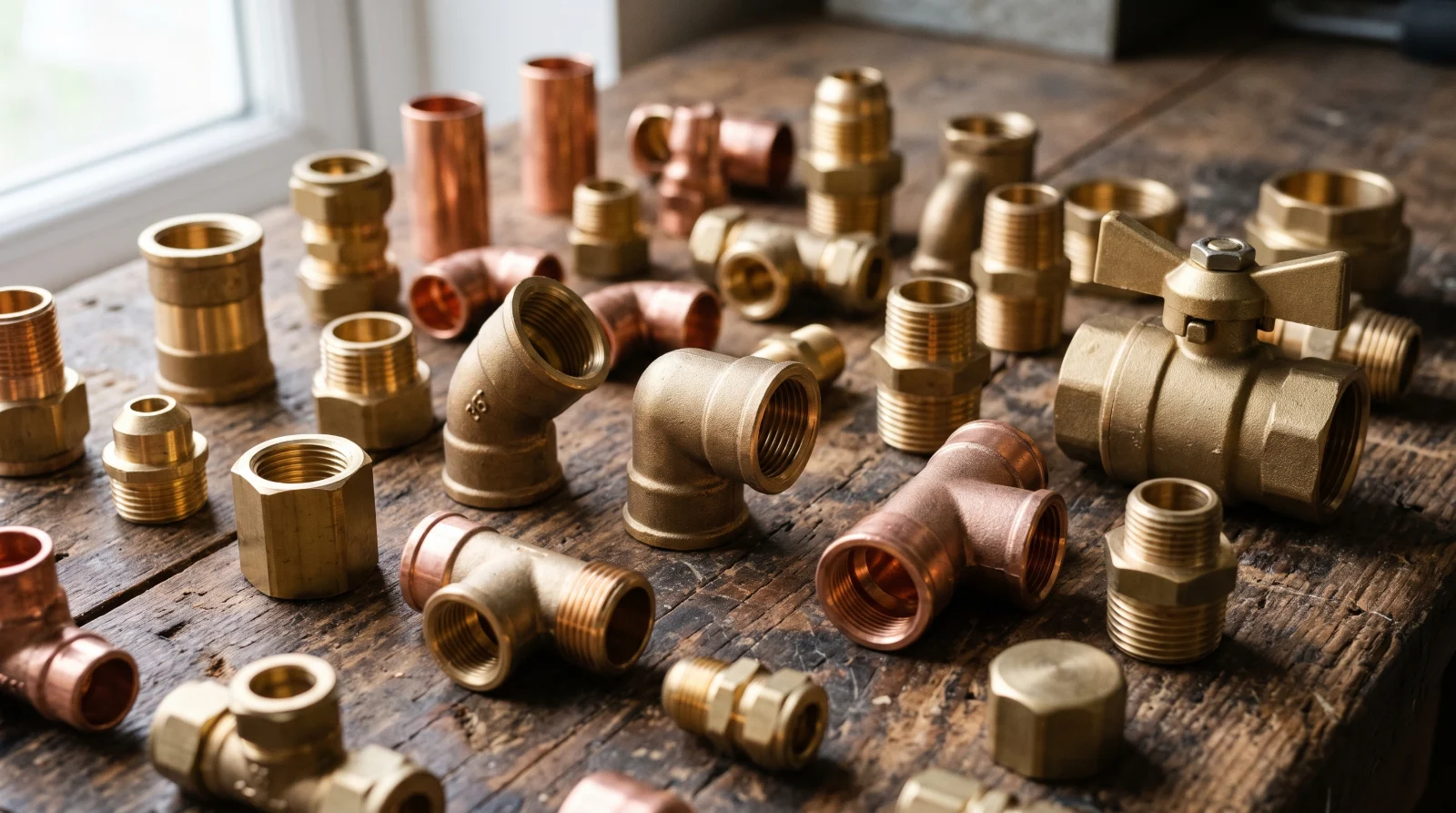
Brass and other copper alloy fittings in contact with drinking water must now meet a 0.25 percent lead limit in jurisdictions that have adopted the rule.
Why Lead in Taps Matters
Lead is a toxic metal with no known safe level of exposure, and it is especially harmful to babies, young children and pregnant women, affecting brain development. Most Australian homes do not have the lead service pipes found in parts of Europe and North America, but lead from brass fittings and solder can contribute small amounts to drinking water, particularly first draw water that has sat in a tap overnight. Health authorities have long advised flushing taps each morning for a short time to clear standing water. The new rules reduce lead at the source.
How Lead Free Brass Is Made
Manufacturers have several ways to make brass and bronze fittings without significant lead. Some use alternative alloying elements such as silicon or bismuth to improve machinability, while others adjust manufacturing processes to work with harder alloys. The WaterMark scheme publishes guidance on acceptable copper alloys for lead free products, and certification bodies test products against the requirements. The result is fittings that look and perform much like traditional brass, while leaching far less lead into water. Some lead free alloys behave a little differently during installation, for example when tightening threads or soldering, so experienced plumbers follow manufacturer instructions closely.
What About Copper Pipe and Solder?
The lead free rule focuses on copper alloy products like brass and bronze fittings. Copper pipe itself does not contain lead, and lead based solder has long been prohibited for drinking water plumbing in Australia and many other countries. In very old homes, however, older solder joints or fittings may still be present. If you live in an older property and want peace of mind, a licensed plumber can inspect visible pipework and fittings, and a water test can show whether lead is detectable at your taps. Replacing old fittings close to the kitchen tap, where most drinking water is drawn, is often the most cost effective upgrade.
What Changes for Homeowners
New installations. Where the rule applies, new taps, valves and fittings installed in drinking water systems must be certified lead free. A licensed plumber will source compliant products.
Existing fittings. The rule generally applies to products being installed, not to existing fittings already in your home. You are not required to rip out working taps. However, if you are renovating or replacing old fixtures, choosing certified lead free products is a sensible upgrade.
Online purchases. Be cautious buying cheap taps from overseas websites. Products without WaterMark certification are not authorised for installation in Australian drinking water systems, and some may contain higher lead levels. A licensed plumber should refuse to install non compliant products.
Kitchen and bathroom renovations. If you are planning a kitchen renovation or bathroom renovation, ask your plumber to confirm all tapware and fittings carry the Lead Free WaterMark. Browse options with our faucets and fixtures specialists or on our plumbing products page.
How to Identify Lead Free Products
Look for the Lead Free WaterMark on the product or packaging, and check the WaterMark product database if you are unsure. Reputable suppliers clearly label compliant products and can provide certification details. If you are buying fittings yourself, keep receipts and packaging so your plumber can confirm compliance. Remember that in Australia, most plumbing work on drinking water systems must be carried out by licensed plumbers, which is an important safeguard.
What It Means for Plumbers
For Australian plumbers, the change has meant clearing old stock, updating supplier relationships and checking product certification on every job in jurisdictions where the rule applies. Regulators in Victoria have warned that non compliance may lead to enforcement or disciplinary action. Plumbers should document products used, especially on projects that began around the transition dates. Major suppliers have worked to label and segregate lead free stock to make compliance easier. This comes alongside other industry changes, including new licensing frameworks in some states and price pressures on materials, which we covered in our article on PVC price shocks and new rules for Australian plumbers.

Licensed plumbers are responsible for installing compliant products, an important protection for Australian households.
Simple Steps to Reduce Lead Exposure Now
While the new rules phase in, households can take easy steps. First thing in the morning, or after a holiday, run the cold tap for about 30 seconds or until the water feels cold before drinking, which flushes water that has been sitting in fittings. Use cold water for drinking and cooking, since hot water can carry more metals. Clean tap aerators periodically. If you have concerns, a certified point of use water filter designed to reduce lead adds protection. If you are on rainwater tanks, keep roofs, gutters and tanks clean and ensure fittings are suitable for drinking water.
Australia Joins a Global Trend
Australia is not alone. The United States has required low lead plumbing products for drinking water since 2014, under federal law limiting the weighted average lead content of wetted surfaces to 0.25 percent. The European Union has moved toward stricter material requirements for products in contact with drinking water, and many countries are replacing lead service pipes. We covered the global push to remove lead in our article on lead pipe replacement, and code changes in other markets in the 2027 plumbing codes.
Hot Water Systems Too
Lead free requirements can also affect valves and fittings associated with hot water systems that supply drinking water outlets. If you are replacing a hot water unit, your plumber will ensure tempering valves, isolation valves and connections meet current requirements. Explore options with our water heater installation specialists.
Warning: Non Compliant Products and Unlicensed Installers
The biggest risks for consumers are cheap, uncertified products and unlicensed installers. Non compliant tapware may contain higher lead levels, may fail early and could void insurance or warranties. Unlicensed plumbing work can create health risks and legal problems. Always use a licensed plumber, insist on WaterMark certified products and keep compliance certificates. Our article on the importance of hiring a licensed plumber explains why credentials matter.
Questions to Ask Your Plumber
When booking a tap replacement or renovation, it is worth asking a few simple questions. Are all the products you will install certified with the Lead Free WaterMark where required? Will you provide a compliance certificate for the work? Can I supply my own tapware, and if so, how will you check it is compliant? Do you recommend any upgrades to reduce lead, such as replacing very old fittings near the kitchen tap? A licensed plumber who takes compliance seriously will answer confidently and may even suggest options you had not considered.
Schools, Childcare Centres and Rental Properties
Places where young children drink water deserve special attention. Schools, kindergartens and childcare centres can reduce lead exposure by flushing drinking fountains and taps at the start of each day, maintaining aerators and prioritising lead free replacements when fittings are renewed. Landlords and property managers should also specify lead free products during maintenance and renovations, which protects tenants and demonstrates good practice.
Renovators and Builders
Builders and renovators should plan product selection early. Specify lead free products in plans and contracts, check certification before ordering and avoid stockpiling older products that may no longer be authorised by the time the plumbing is installed. Projects that straddle transition dates can be tricky, so coordinate with your plumber and check the relevant state regulator's guidance on which date applies, often the date plumbing installation commences.
A Salute to Australian Plumbers
Australian plumbers have a proud tradition of high standards, strong licensing and pride in workmanship. The move to lead free products is another example of the trade protecting public health. We are proud to have so many Australian plumbing companies in our directory.
How Best Plumbers Helps
Best Plumbers has been the Internet's original plumbing directory since July 12, 2002, serving readers worldwide, including across Australia. We list every plumbing company and every review, good and bad, and our Best Plumbers Recommended seal marks those we trust most. We never sell leads. Find a licensed plumber through our locations directory and read the reviews before you hire.
The Bottom Line
Australia's lead free plumbing rule caps lead in copper alloy products in contact with drinking water at 0.25 percent. Victoria and South Australia applied it from May 1, 2026, with other jurisdictions following on their own timetables. You do not need to replace working taps, but when you renovate or replace fittings, insist on Lead Free WaterMark certified products installed by a licensed plumber. In the meantime, flushing taps in the morning and using cold water for drinking are simple, effective habits.
Frequently Asked Questions About Australia's Lead Free Plumbing Rules
1. What is Australia's lead free plumbing rule?
Copper alloy plumbing products in contact with drinking water must have a weighted average lead content of no more than 0.25 percent.
2. When did it start?
Victoria and South Australia applied it from May 1, 2026. Western Australia has a transition to May 1, 2028, and other jurisdictions vary.
3. Which code sets the rule?
Clause A5G4 of the Plumbing Code of Australia, Volume Three of the National Construction Code.
4. What is the Lead Free WaterMark?
A certification mark showing a product meets the lead free requirements and is authorised for installation.
5. Do I have to replace my existing taps?
Generally no. The rule applies to products being installed, not existing working fittings.
6. Which products are covered?
Products listed on the WaterMark Schedule as requiring lead free certification, such as many brass taps, valves and fittings.
7. Why was lead added to brass?
Small amounts of lead made brass easier to machine and seal, but some could leach into drinking water.
8. Is lead in drinking water dangerous?
Yes. There is no known safe level, and children and pregnant women are especially vulnerable.
9. How can I reduce lead from taps now?
Run the cold tap for about 30 seconds each morning, use cold water for drinking and clean aerators.
10. Can I buy taps online and have them installed?
Only if they carry WaterMark certification, including lead free certification where required.
11. Will my plumber check compliance?
Licensed plumbers are responsible for installing compliant products and may refuse non compliant items.
12. What happens if non compliant products are installed?
Regulators may take enforcement or disciplinary action against practitioners, and products may need replacement.
13. Does the rule apply to hot water systems?
Relevant valves and fittings supplying drinking water outlets may be covered. Ask your plumber.
14. Does the US have similar rules?
Yes. The US has required a 0.25 percent weighted average lead limit for drinking water products since 2014.
15. Are rainwater tank fittings covered?
Fittings in drinking water systems must be suitable, and tanks should be kept clean. Ask a licensed plumber.
16. How do I check a product's certification?
Look for the Lead Free WaterMark and check the WaterMark product database.
17. Should renovators plan differently now?
Yes. Specify lead free products early and avoid stockpiling older products.
18. Do filters remove lead?
Many certified point of use filters reduce lead. Check certification for lead reduction.
19. Is all brass now banned?
No. Lead free copper alloys are still used. The rule limits lead content, not brass itself.
20. Why are some states later than others?
States and territories adopt National Construction Code requirements on their own timetables.
21. Does this affect plumbing prices?
Some lead free products may cost more, but competition and scale help limit price impacts.
22. Can I install taps myself in Australia?
Most plumbing work on drinking water systems must be done by licensed plumbers. Check your state's rules.
23. Are older homes at higher risk?
Older fittings and solder may contain more lead. Flushing and gradual replacement help.
24. How do I find a licensed plumber in Australia?
Search Best Plumbers, read every review, look for the Best Plumbers Recommended seal and confirm licensing.
25. Why does Best Plumbers cover Australian plumbing rules?
Since 2002, Best Plumbers has served readers worldwide, including many in Australia, with trusted plumbing information.
Sources
Building and Plumbing Commission Victoria, new lead free plumbing product requirements. WaterMark, lead free plumbing products. Government of South Australia, plumbing trades advisory notes. Government of Western Australia, Industry Bulletin 171 on the lead free transition.

