
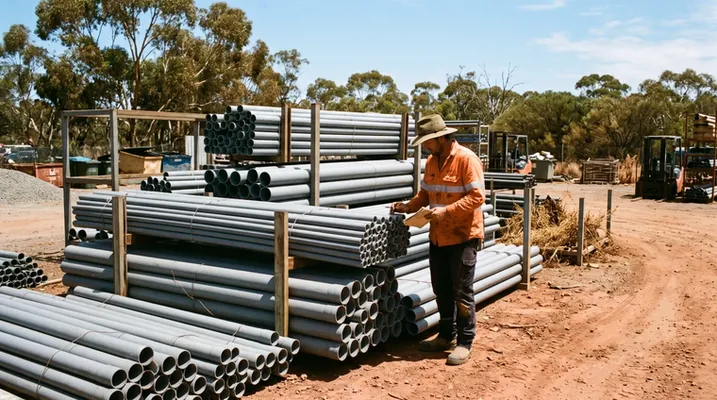
Australian plumbers have had a demanding 2026. Global fuel and petrochemical disruptions drove sudden price increases on plastic pipe, with major suppliers announcing rises of about 27 percent on PVC, 31 percent on polypropylene and 36 percent on polyethylene products, and Master Plumbers groups pressing governments for support. At the same time, Western Australia adopted updated plumbing standards on 1 May, and plumbing bodies in South Australia campaigned for licensed plumbers to install all stormwater systems. Here is what it all means for homeowners, builders and the trade.
By the Best Plumbers Editorial Team. Published November 22, 2026.
Best Plumbers has a large and loyal readership in Australia, and we have always admired the way the Australian plumbing industry is organized. Plumbing there is a properly licensed trade with strong associations, a national code and a culture of apprenticeship that many countries could learn from. That strength has been tested this year, and the way the industry has responded is worth celebrating.
The Price Shock: Plastic Pipe Gets Expensive Overnight
Much of modern plumbing runs through plastic. PVC carries drainage, sewer and stormwater. Polyethylene carries water services and rural supply. Polypropylene shows up in fittings and specialty systems. All of them are made from petrochemical feedstocks, and when global oil and gas supply was disrupted earlier this year by conflict in the Middle East and shipping problems around the Strait of Hormuz, the effect on Australian pipe prices was swift.
In March, the Master Plumbers Association of New South Wales publicly criticized what it called government inaction as critical building materials faced overnight increases of up to 35 percent, warning that small plumbing and construction businesses were being left to wear the cost of a crisis they did not create. Supplier notices that circulated through the trade around the same time showed major manufacturers raising prices on PVC by roughly 27 percent and on polyethylene by about 36 percent, with some stormwater products such as twinwall corrugated pipe rising by around 31 percent. Master Builders NSW reported a 33 percent jump in PVC piping costs alongside surcharges on deliveries and concrete.
Associations in other states took up the cause too. The Master Plumbers Association of Queensland said it was engaging with both state and federal governments, focused on practical support, cash flow and business continuity rather than just financial assistance.
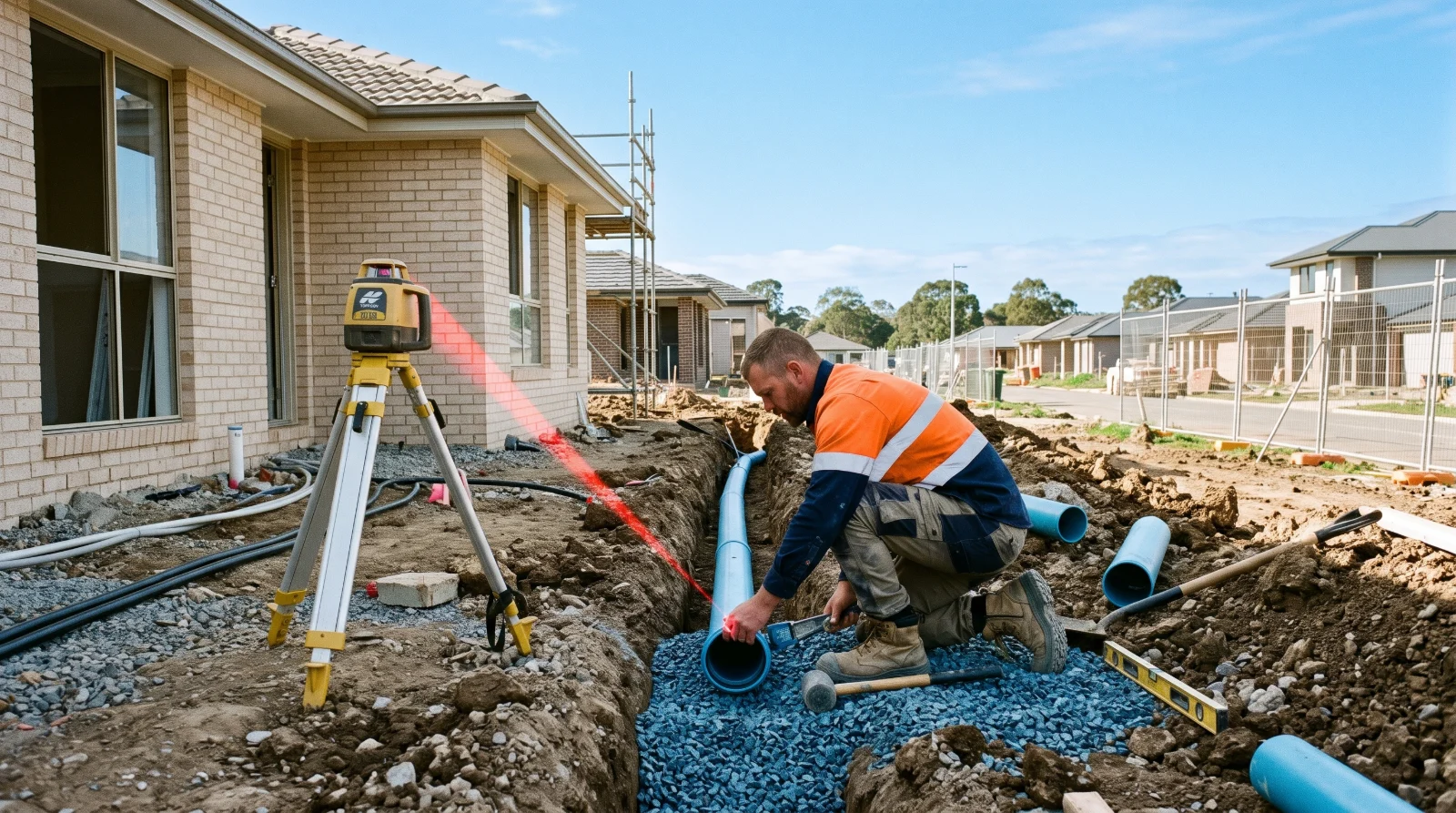
Stormwater, drainage and water service work all depend on plastic pipe, so price shocks flow straight through to project budgets.
Why Plumbers Got Caught in the Middle
Price rises hurt everyone, but plumbing contractors were especially exposed. Many residential and commercial jobs are quoted at fixed prices months in advance. When a supplier raises prices overnight, the plumber either absorbs the difference or has a difficult conversation with a builder or homeowner. For a small business, a few large jobs priced before the increase can wipe out a year's margin.
That is why we want to say this clearly: if your plumber or builder comes back to you with a materials variation this year, it is not necessarily a trick. Ask to see the supplier price change, discuss it openly, and look for a fair solution. The vast majority of Australian plumbers are honest small businesses doing their best in a hard market.
New Rules in Western Australia
While prices were climbing, the regulatory side was moving too. Changes that came into effect in Western Australia on 1 May 2026 updated the Plumbers Licensing and Plumbing Standards Regulations, adopted the latest edition of the Plumbing Code of Australia, and brought in updated versions of key parts of the AS/NZS 3500 plumbing and drainage standards covering water services, sanitary plumbing and drainage, and heated water.
For homeowners, the practical message is simple. Plumbing work in Australia must comply with current codes and be carried out by licensed people, and when standards change, the details of how work is installed and certified can change with them. A licensed plumber keeps up with those changes. An unlicensed operator usually does not. We explore how codes and practices differ internationally in our feature is plumbing the same around the world.
South Australia: Licensed Plumbers for Stormwater
In South Australia, Master Plumbers has been campaigning for licensed plumbers to install all stormwater systems. It is an argument we strongly support. Stormwater is often treated as a lesser kind of plumbing, something a landscaper or general labourer can knock together. But poorly designed or installed stormwater can undermine footings, flood neighbouring properties, cause damp and mould, overload street drainage and, when it is connected to the wrong system, send water into sewers or pollution into waterways.
Good stormwater design considers fall, pipe sizing, pits, inspection openings, connections to the legal point of discharge and the protection of foundations. Those are plumbing skills. If you need work done, use licensed professionals from our storm drain repair and installation listings, and read why licensing matters in the importance of hiring a licensed plumber.
A Big, Resilient Industry
For all the pressure, Australia's plumbing industry remains large and resilient. Industry analysts estimate the plumbing services sector at roughly 25 billion dollars in 2026, spread across more than 32,000 businesses. That is a lot of small and medium firms, apprentices and families depending on the trade, and a lot of homes and businesses depending on them in return.
The way Australian plumbing associations have represented their members this year, through public advocacy, member resources and direct engagement with government, is a model for trade bodies everywhere. If you are a plumber looking to connect with your industry, see our plumbing associations directory.
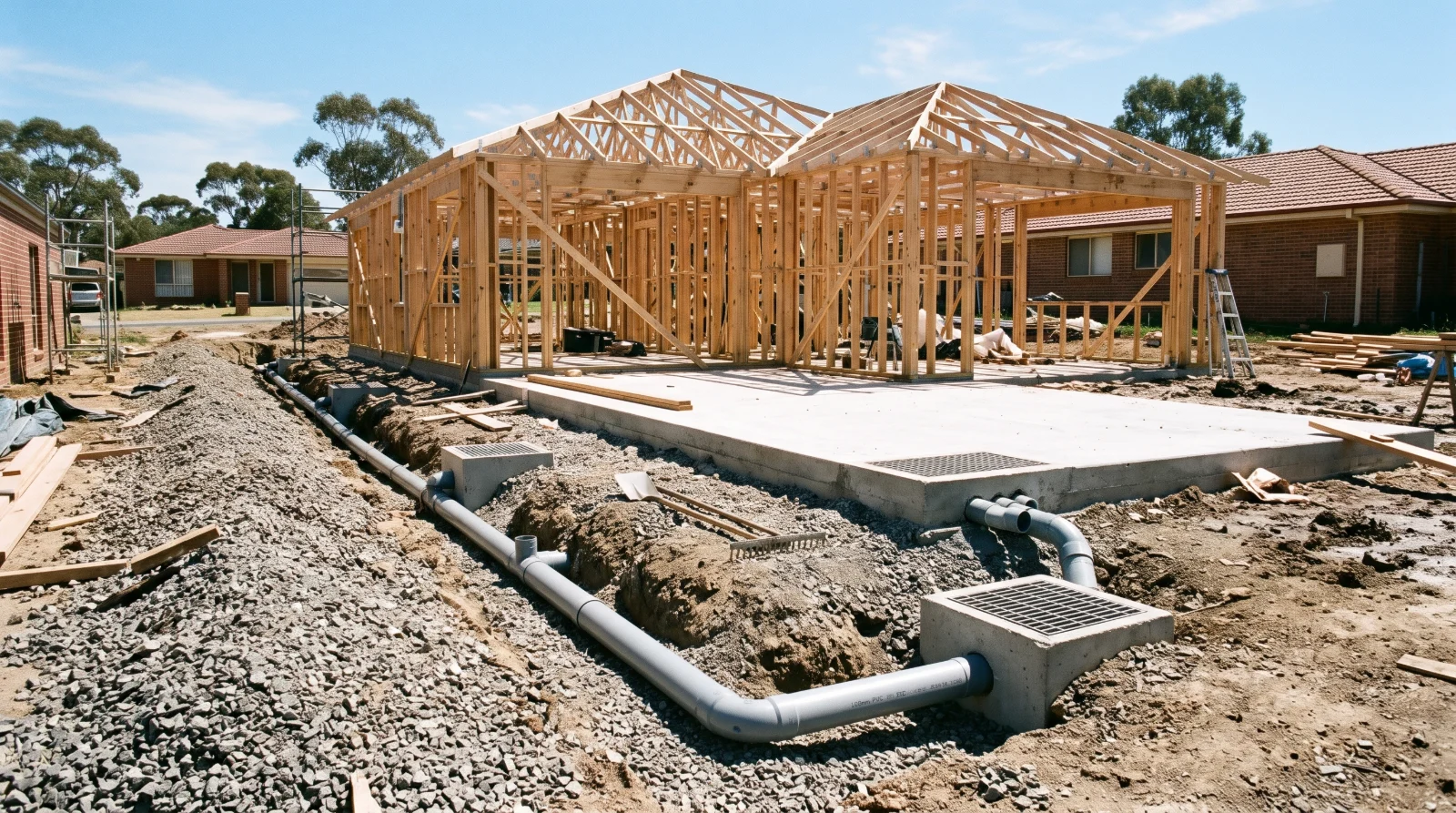
Drainage and stormwater are laid before most of a house goes up. Getting them right protects the building for decades.
What This Means for Homeowners and Builders
Expect higher materials costs. Even where supplier prices have stabilized, many have not returned to earlier levels. Budget accordingly, especially for drainage, sewer and stormwater work. Our plumbing cost guide can help you plan.
Understand rise and fall clauses. Some quotes include provisions for materials price changes. Read them carefully and ask questions before signing.
Do not chase the cheapest quote. When prices rise, some operators cut corners with non compliant products, thinner pipe classes or poor bedding. That can lead to cracked drains, leaks and failed inspections.
Plan replacements wisely. If you are planning a sewer line replacement, water service replacement or full repipe, discuss timing and material options with your plumber.
Warning: Non Compliant Products and Shortcuts
Price spikes create temptation. We urge consumers and builders to watch for these red flags:
Unbranded or uncertified products. Plumbing products in Australia generally need appropriate certification and marking for their intended use. Ask your plumber what is being installed and why.
Missing backflow protection. Cutting corners on backflow devices puts drinking water at risk. Testable devices need regular testing by qualified people. See our backflow testing and prevention listings.
Unlicensed stormwater and drainage work. If someone offers to do drainage cheaply without a licence, walk away.
No compliance certificate. Licensed plumbers in Australia typically lodge compliance documentation for regulated work. Ask for it.
You can also learn more about certified products and new technology in our plumbing products section.
How Smart Plumbing Businesses Are Adapting
The best plumbing companies we hear from have responded to the price shock with clear thinking rather than panic. Many have shortened how long their quotes remain valid, so that a price given today reflects today's supplier costs. Others have added plain English materials clauses to their terms, explaining exactly how a supplier increase would be handled. Some have built closer relationships with merchants to get early warning of price notices, and some have adjusted stock levels to avoid being caught with large orders at peak prices.
Communication has been the real difference maker. Plumbers who explain the situation to builders and homeowners early, show the supplier notices and offer options tend to keep both their margins and their customers. That kind of transparency is exactly what we encourage across the whole industry.
Practical Tips If You Are Planning Work Now
If you are a homeowner planning a renovation, extension or new build, ask your plumber how long their quote is valid and whether it includes any materials adjustment clause. Ask whether there are equally compliant alternative products that could reduce cost without reducing quality. Lock in your plumbing scope early, because changes late in a project often cost more in a rising market. Keep a small contingency in your budget for materials. And above all, do not let price pressure push you toward an unlicensed operator. A failed drainage inspection or a leaking water service will cost far more to fix than any saving up front.
Our Message to Australian Plumbers
To every plumber, drainer and gasfitter across Australia who has spent this year juggling price notices, fixed contracts and new standards while still turning up for customers: well done. You have kept homes and businesses running through a difficult stretch, and you have shown the professionalism that makes the Australian trade so well respected. Best Plumbers is proud to have so many Australian readers and companies in our community.
How Best Plumbers Helps
Best Plumbers is the Internet's original plumbing directory, online since July 12, 2002, and we are proudly international. We list every plumbing company and show every review, good and bad. Our Best Plumbers Recommended seal marks the companies we trust most, and we never sell leads. To find a licensed plumber near you in Australia or anywhere else, search plumbers near me and read the reviews before you book.
The Bottom Line
2026 brought Australian plumbing a sharp materials price shock and a fresh round of regulatory updates. The industry has met both with strong advocacy and steady professionalism. For homeowners and builders, the lessons are to budget realistically, read contracts carefully, insist on licensed plumbers and certified products, and treat stormwater with the seriousness it deserves. Prices may move up and down, but quality plumbing done right the first time is always the best value.
Frequently Asked Questions About Australian Plumbing Costs and Rules in 2026
1. Why did PVC pipe prices rise in Australia in 2026?
Disruptions to global oil and gas supply linked to conflict in the Middle East and shipping problems near the Strait of Hormuz increased petrochemical and freight costs, pushing plastic pipe prices sharply higher.
2. How much did plastic pipe prices increase?
Supplier notices showed increases of about 27 percent for PVC, 31 percent for polypropylene and 36 percent for polyethylene products, with some stormwater pipe up around 31 percent.
3. What did Master Plumbers NSW say about the price hikes?
In March 2026, the Master Plumbers Association of NSW criticized government inaction as materials faced overnight increases of up to 35 percent, warning small businesses were left to wear the cost.
4. Are plumbing prices in Australia still higher?
Many materials prices remain above earlier levels. Ask your plumber about current supplier pricing and budget realistically for drainage and water service projects.
5. What changed in Western Australia on 1 May 2026?
WA updated its plumbing licensing and standards regulations, adopted the latest Plumbing Code of Australia and brought in updated parts of the AS/NZS 3500 standards.
6. What is the Plumbing Code of Australia?
The Plumbing Code of Australia sets national performance requirements for plumbing and drainage work, adopted and administered by each state and territory.
7. What is AS/NZS 3500?
AS/NZS 3500 is the main series of Australian and New Zealand standards for plumbing and drainage, covering water services, sanitary plumbing and drainage, stormwater and heated water.
8. Why should stormwater be installed by licensed plumbers?
Poor stormwater work can undermine footings, flood neighbours, cause damp and pollute waterways. Licensed plumbers understand falls, sizing, connections and legal discharge points.
9. What is Master Plumbers SA campaigning for?
Master Plumbers in South Australia has been pushing for licensed plumbers to install all stormwater systems to protect homes and public infrastructure.
10. How big is the Australian plumbing industry?
Analysts estimate the Australian plumbing services industry at about 25 billion dollars in 2026, with more than 32,000 businesses.
11. Can my plumber charge more if prices rise after I sign?
It depends on your contract. Some include rise and fall clauses. Read your contract and discuss any variation openly with your plumber.
12. How do I know if plumbing products are compliant?
Ask your plumber which products are being used and whether they are certified and marked for their intended use under Australian requirements.
13. Do Australian plumbers need a licence?
Yes. Plumbing is a licensed trade in every Australian state and territory, with different classes for water, sanitary, drainage, gasfitting and other work.
14. What is a plumbing compliance certificate?
It is documentation lodged or provided by a licensed plumber confirming that regulated work meets the relevant codes and standards. Requirements vary by state.
15. Should I delay plumbing work until prices fall?
Not for urgent repairs. For planned projects, discuss timing and material options with your plumber, but delays can risk bigger damage and costs.
16. Why is backflow prevention important?
Backflow devices stop contaminated water flowing back into the drinking supply. Testable devices must be maintained and tested regularly by qualified people.
17. Are cheaper plumbing quotes a red flag in 2026?
A much lower quote may signal non compliant products, thinner pipe or unlicensed labour. Compare scopes and materials, not just price.
18. How have Master Plumbers associations supported members?
Associations have advocated publicly, engaged with state and federal governments, and focused on practical support such as cash flow and business continuity.
19. Do these changes affect New Zealand?
New Zealand shares the AS/NZS 3500 standards framework and was exposed to similar global materials pressures, though its regulations are administered separately.
20. What causes stormwater problems in new homes?
Common causes include poor falls, undersized pipes, blocked pits, incorrect connections and inadequate protection of footings from water.
21. Is polyethylene pipe used for water services?
Yes. Polyethylene is widely used for water services, rural supply and some pressure applications, which is why its price increase affected many projects.
22. How can builders manage materials price risk?
Builders can use clear variation clauses, confirm supplier pricing before committing, communicate early with clients and work closely with plumbing subcontractors.
23. Where can Australian plumbers find industry support?
State Master Plumbers associations and other trade bodies offer advocacy, training and resources. The Best Plumbers associations directory lists many of them.
24. How do I find a licensed plumber in Australia?
Search Best Plumbers, read every review, look for the Best Plumbers Recommended seal and confirm the plumber's licence with your state regulator.
25. Why does Best Plumbers cover Australian plumbing news?
Best Plumbers serves readers worldwide, including a large Australian audience. Since 2002 we have championed licensed plumbers and helped consumers make safe, informed choices.
Sources
Build Australia, Plumbers trade group urges government support amid PVC price hikes (March 23, 2026). Tradelink, supplier price change notifications. Master Builders NSW, Fuel price shock squeezing builders and tradies (March 27, 2026). Master Plumbers Association of Queensland, ongoing industry update (April 2026). IBTimes Australia, Australia building costs soar. Government of Western Australia, plumbing regulation changes effective 1 May 2026.

