
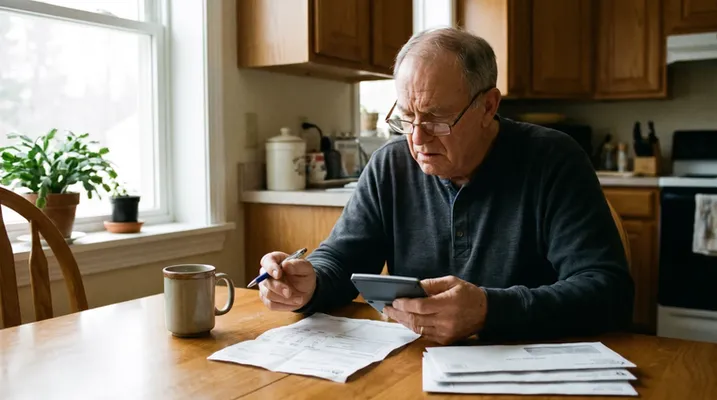
If your water and sewer bill seems to go up every year, you are not imagining it. According to Bluefield Research, household water and sewer bills in 50 large U.S. cities rose 5.1 percent in 2025, the biggest annual increase in five years, and 24.2 percent cumulatively over five years. A Food and Water Watch study found drinking water bills rose an average of 62 percent over the past decade. Bill payment platform doxo reports the median household now pays about 1,065 dollars a year for water and sewer. And many cities raised rates again in 2026, some by double digits. Here is why bills keep climbing, what your money pays for, the debate over affordability and, most usefully, how you can cut what you pay.
By the Best Plumbers Editorial Team. Published November 22, 2026.
We get emails and calls about high water bills more than almost any other topic. Sometimes the cause is a hidden leak in the house. Sometimes it is a rate increase. Often it is both. Understanding the difference can save you hundreds of dollars a year, and it starts with a few simple checks you can do yourself.
The Numbers
Bluefield Research, which tracks rates in 50 of the largest U.S. cities, reported in March 2026 that combined household water and sewer bills rose 5.1 percent from 2024 to 2025, a five year high, outpacing inflation. Water rates rose 6.0 percent and wastewater rates 4.8 percent. Over five years, combined bills rose 24.2 percent, and sewer charges exceeded water charges by an average of about 19 dollars a month. Bluefield calculated that covering a typical monthly water and sewer bill requires about 11.5 hours of minimum wage work.
Other studies point in the same direction. Food and Water Watch found that drinking water bills rose about 62 percent over a decade, with an average annual drinking water bill of 531 dollars in 2025, and that privately owned systems charged more on average than public ones. One academic analysis found that average combined monthly bills reached about 86 dollars at 4,800 gallons in 2025, up from about 67 dollars in 2017. In North Carolina, a 2026 statewide report found water bill increases running about 2.2 times the rate of inflation and wastewater increases about 4 times.
Cities continued raising rates in 2026. Columbus, Ohio approved an 18 percent water increase and 8 percent sewer increase to help fund a new water plant costing more than 2 billion dollars, while expanding its discount for income qualified customers. Portland, Oregon raised combined rates about 6.4 percent in July 2026. Bellingham, Washington raised utility rates an estimated 13.5 percent in January 2026, with further increases planned.
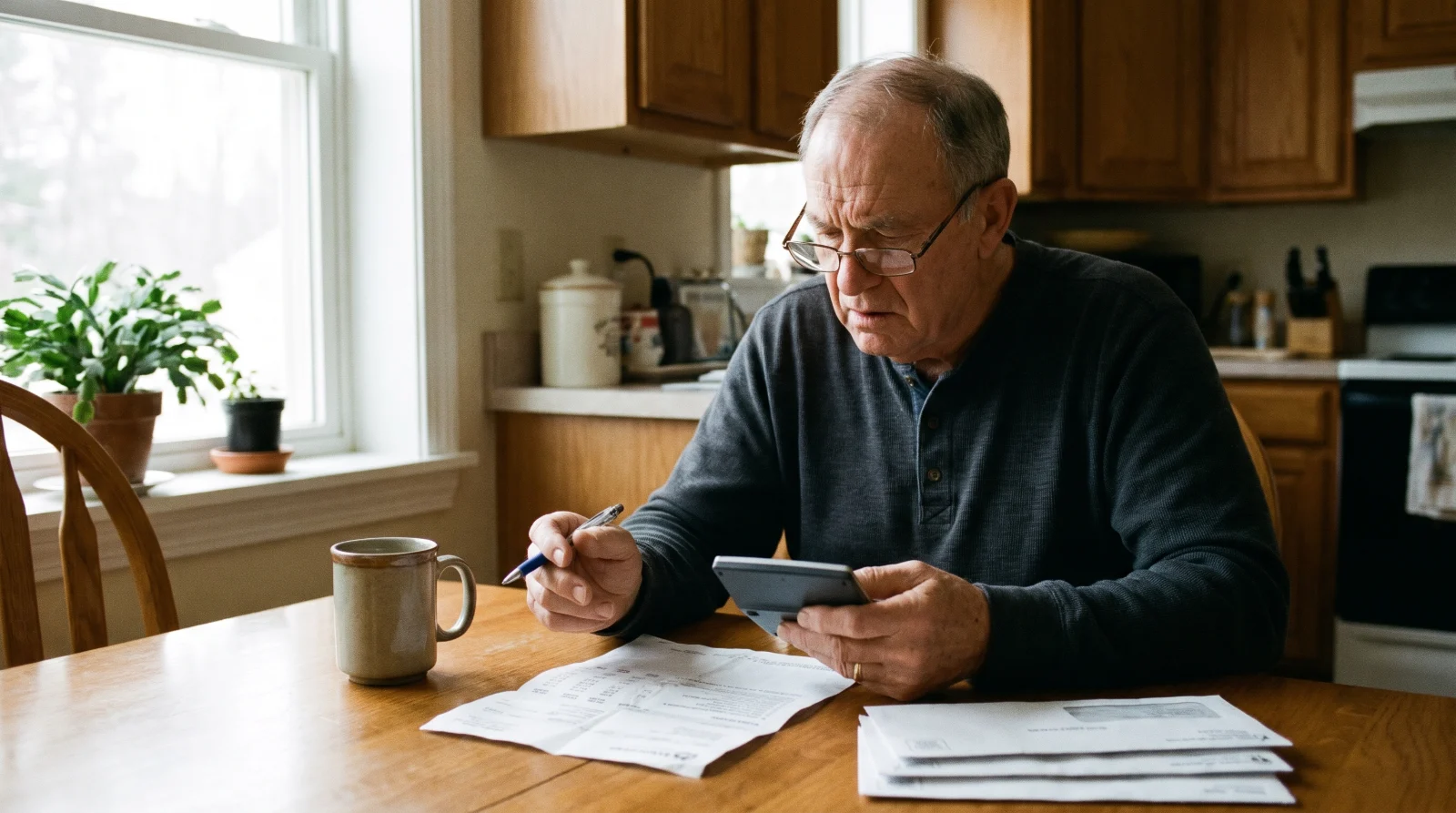
Water and sewer bills have been rising faster than inflation in many cities, prompting households to look for savings.
Why Bills Keep Rising
Aging infrastructure. Much of the country’s water and sewer network was built decades ago and is reaching the end of its life, as we explained in the age of drinking water pipes. Replacing mains, treatment plants and pump stations is expensive.
New regulations. Rules to replace lead service lines, which we covered in the lead pipe rule goes to court, remove PFAS and reduce sewer overflows require large investments.
Construction and material costs. Pipe, chemicals, energy and labor have all become more expensive, and tariffs on metals have pushed costs higher.
Lower water use. Ironically, conservation can push rates up. As households use less water thanks to efficient fixtures, utilities sell fewer gallons but still have largely fixed costs, so per gallon rates rise.
Growth and resilience. Utilities are building new supplies, storage and redundancy to handle growth, drought and extreme weather.
Deferred maintenance. In some places, years of keeping rates artificially low left systems underfunded. Catching up costs more, as communities such as Jackson, Mississippi have experienced, which we covered in Jackson four years after the water crisis.
What Your Bill Actually Pays For
It helps to understand where the money goes. A typical water bill funds the collection, treatment and testing of drinking water; the pumps, storage tanks and miles of pipe that deliver it under pressure; meter reading and billing; fire hydrants and fire flow capacity; and the debt payments on past and current capital projects. The sewer portion funds the collection pipes and pump stations that carry wastewater away, treatment plants that clean it to environmental standards, biosolids handling, overflow controls and the debt for upgrades. Stormwater fees, where they exist, pay for drains, culverts and flood control. Most of these costs are fixed: a utility must maintain the pipes and plants whether you use a little water or a lot. That is why many bills include a fixed monthly charge plus a volume charge, and why the fixed portion has been growing. Knowing this helps explain why rates can rise even when you use less water, and why investment in aging systems shows up on everyone’s bill.
Water Is Still a Bargain, Mostly
Despite rising bills, tap water remains remarkably inexpensive per gallon. At typical rates, a gallon of tap water costs well under a cent, delivered safely to your kitchen around the clock. Bottled water can cost hundreds or thousands of times more. That comparison does not make bills easier for families who are struggling, but it does underscore the value of the system. The challenge for communities is to keep that value while paying for decades of overdue maintenance, and to protect households who cannot absorb steep increases.
The Affordability Debate
Rising bills raise a hard question: how do we pay for essential infrastructure without making water unaffordable for low income households? Utilities and many engineers argue that underpricing water led to today’s infrastructure problems and that full cost pricing is necessary to keep water safe and reliable. Consumer and anti poverty advocates argue that water is a basic human need, that flat fees and rising fixed charges hit low income households hardest and that more federal and state funding should share the burden. Some researchers note that rate structures have become more regressive over time as fixed charges grow. Many utilities now offer discount programs, payment plans and leak forgiveness. Reasonable people disagree about the balance, but there is broad agreement that targeted assistance for households that struggle is important.
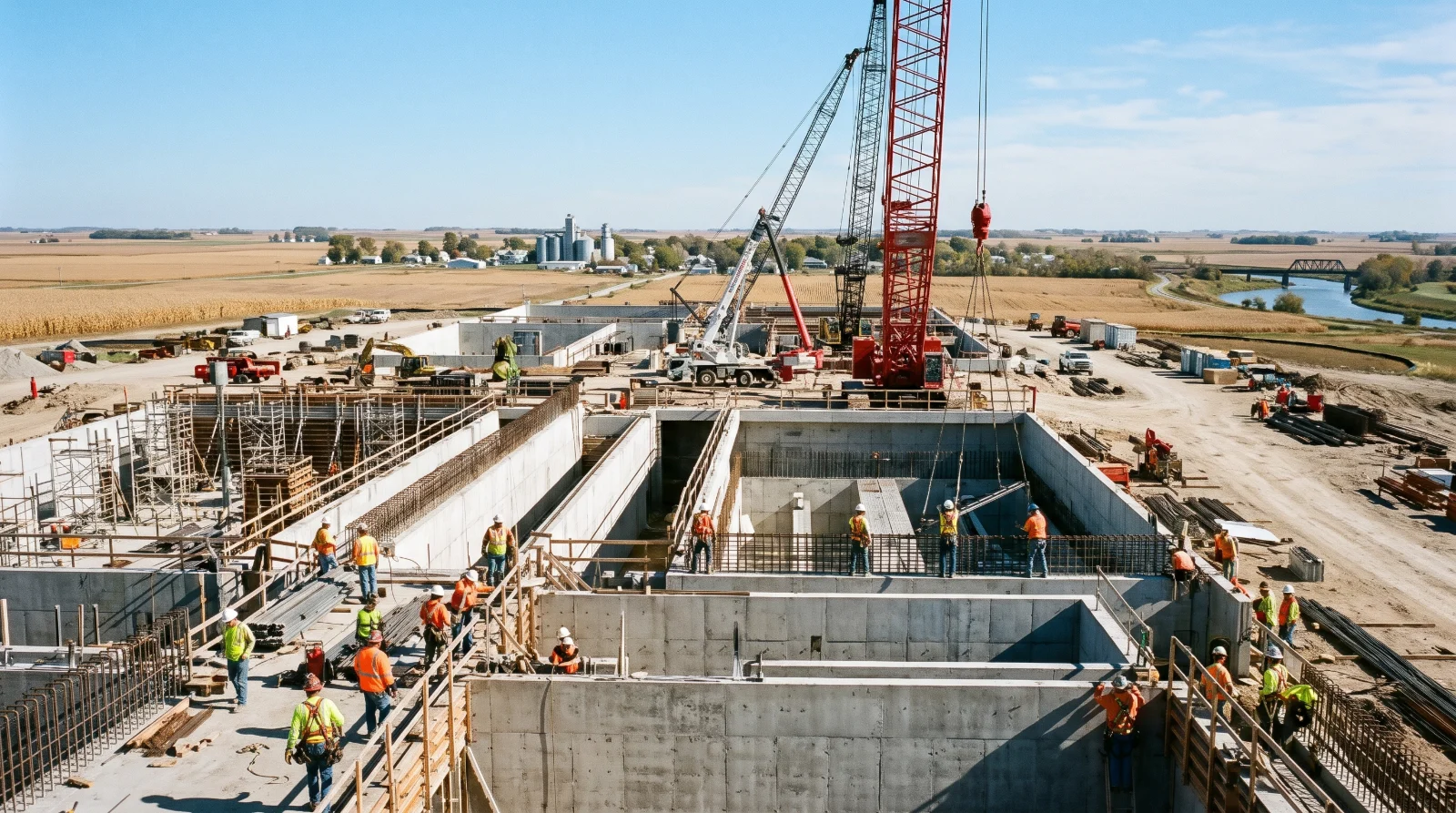
New treatment plants, pipe replacements and regulatory upgrades are major drivers of rising water and sewer rates.
Is It a Rate Increase or a Leak?
Before blaming rates, check for leaks. A sudden jump in your bill that is not explained by a rate change or more people in the house often means a leak. Here is how to check.
Read your meter. Turn off every faucet and water using appliance. Look at your water meter. If the dial or low flow indicator is moving, water is going somewhere. Note the reading, wait an hour without using water and check again.
Check toilets. Toilets are the most common source of hidden leaks. Put a few drops of food coloring in the tank, wait 15 minutes without flushing and look for color in the bowl. If it appears, the flapper or fill valve is leaking. Our toilet repair pros can fix it quickly.
Listen and look. Hissing in walls, damp spots, warm spots on floors, mold or unexplained puddles can signal hidden leaks. Irrigation systems and outdoor lines are frequent culprits. Professional leak detection uses acoustic and thermal tools to find leaks without tearing up walls.
Use technology. Many utilities now offer smart meters with online usage data and leak alerts, which we explained in smart water meters are coming to millions of homes.
How to Cut Your Bill
Fix leaks immediately. A running toilet can waste thousands of gallons a month. Fixing it often pays for itself in one billing cycle, and a replacement flapper or fill valve is one of the least expensive repairs in plumbing.
Upgrade old fixtures. Toilets made before the mid 1990s can use 3.5 gallons or more per flush, compared with 1.28 gallons or less for efficient models. Efficient showerheads and faucet aerators save water and the energy used to heat it. Look for the WaterSense label, as we explained in WaterSense turns 20, and talk with our faucets and fixtures specialists. Many utilities offer rebates.
Check your pressure. Excessive water pressure increases flow through every fixture and stresses plumbing. A properly adjusted pressure regulator saves water and protects pipes.
Rethink irrigation. Outdoor watering can be the largest summer use. Water early in the morning, use smart controllers, fix broken heads and consider drip irrigation and native plants.
Understand your sewer charge. Many utilities base sewer charges on winter water use or total water use. Some offer separate irrigation meters or credits for outdoor water that does not enter the sewer. Ask your utility.
Ask about assistance and leak forgiveness. If you are struggling, ask about discount programs, payment plans and leak adjustment policies, which may credit part of a bill after a repaired leak.
Protect against costly damage. A leak that damages your home costs far more than the water itself, as we explained in water damage claims have never cost more.
Small Businesses Feel It Too
Restaurants, laundromats, salons, car washes and other water intensive small businesses often face the steepest bill increases because they use large volumes and may pay higher commercial rates. A commercial water audit can identify savings from efficient pre rinse spray valves, ice machines, dishwashers, flush valves and irrigation controllers. Fixing a single leaking flush valve in a busy restroom can save thousands of gallons a month. For small business owners, water efficiency is not just about sustainability; it is a direct way to protect thin profit margins as rates rise. Many utilities offer commercial rebates and free audits, so ask your utility before you invest in new equipment.
Renters, Landlords and Water Bills
In many apartments, water is included in rent or billed through the landlord, sometimes using submeters or allocation formulas. Renters can still help by reporting running toilets, dripping faucets and leaks promptly, since these drive up costs that may eventually be passed on. Landlords benefit enormously from routine leak checks, efficient fixtures and fast repairs, because a single running toilet in a multi unit building can add significant cost every month. Some utilities offer rebates specifically for multifamily fixture upgrades.
A Yearly Plumbing Checkup Pays for Itself
Many homeowners schedule annual furnace and air conditioning tune ups but never think about plumbing until something breaks. A yearly plumbing checkup can catch silent toilet leaks, worn supply lines, failing valves, high water pressure, water heater sediment and irrigation problems before they waste water or cause damage. For many households, the water savings alone cover the cost of the visit, and the peace of mind is a bonus.
Our Warning: High Bill Scams
High bills can make homeowners vulnerable to scams. Be wary of callers or door knockers claiming to be from the water company and demanding immediate payment to avoid shutoff; verify by calling the number on your official bill. Be skeptical of devices that claim to slash water bills by reducing meter readings; some are ineffective and tampering with meters can be illegal. Use licensed plumbers for leak repairs.
How Best Plumbers Helps
Best Plumbers has been the Internet's original plumbing directory since July 12, 2002, and the most trusted. We list every plumbing company and show every review, good and bad, and our Best Plumbers Recommended seal marks those we trust most. We never sell leads. Find a leak detection or fixture upgrade pro through our locations directory and read the reviews.
The Short Version
U.S. water and sewer bills rose 5.1 percent in 2025, a five year high, and about 24 percent over five years in large cities, driven by aging infrastructure, regulations, construction costs and declining water sales. Many cities raised rates again in 2026. Before blaming rates, check for leaks using your meter and toilet dye tests. Cut bills by fixing leaks, upgrading fixtures, managing pressure, rethinking irrigation and asking about sewer credits, assistance and leak forgiveness.
Frequently Asked Questions About Rising Water Bills
1. How much did water and sewer bills rise in 2025?
Bluefield Research found a 5.1 percent increase in 50 large cities, a five year high.
2. How much over five years?
About 24.2 percent cumulatively.
3. What does the median household pay?
About 1,065 dollars a year, according to doxo.
4. Why are bills rising?
Aging infrastructure, regulations, higher costs, lower water sales and deferred maintenance.
5. Why are sewer bills often higher than water bills?
Wastewater treatment and sewer upgrades are costly, and sewer charges have exceeded water charges by about 19 dollars a month on average.
6. Did cities raise rates in 2026?
Yes, including Columbus, Portland and Bellingham.
7. How do I know if I have a leak?
Turn off all water and see if your meter moves.
8. How do I test my toilet for leaks?
Add food coloring to the tank and check the bowl after 15 minutes without flushing.
9. How much water can a running toilet waste?
Thousands of gallons a month in some cases.
10. Do efficient fixtures lower bills?
Yes, often significantly.
11. What is a WaterSense fixture?
A product certified to use less water while performing well.
12. Does water pressure affect my bill?
Yes. High pressure increases flow and stresses plumbing.
13. How is my sewer charge calculated?
Often based on water use or winter averages. Ask your utility.
14. Can I get credit for outdoor water?
Some utilities offer irrigation meters or credits.
15. What is leak forgiveness?
A utility policy crediting part of a bill after a repaired leak.
16. Are there assistance programs?
Many utilities offer discounts or payment plans for qualifying households.
17. Do private utilities charge more?
Food and Water Watch found privately owned systems charged more on average.
18. Does conservation raise rates?
It can raise per gallon rates because utility costs are largely fixed.
19. Do smart meters help?
Yes. They show usage and can alert you to leaks.
20. Are meter reducing devices legal?
Tampering with meters can be illegal; be skeptical of such claims.
21. How do I avoid utility scams?
Verify calls or visits using the number on your official bill.
22. Will bills keep rising?
Many experts expect continued increases as infrastructure needs grow.
23. Should I fix leaks myself?
Simple toilet repairs are often DIY friendly; hidden leaks need professionals.
24. How do I find a trusted plumber?
Search Best Plumbers, read every review, look for the Best Plumbers Recommended seal and confirm licensing.
25. Why does Best Plumbers cover water rates?
Since 2002, Best Plumbers has helped homeowners save water and money.
Sources
Bluefield Research via Water Online, national water and sewer bills rise, outpacing inflation. WaterWorld, median household bills reach 1,065 dollars and water bills rose 62 percent over decade. City of Columbus, 2026 rates. UNC Environmental Finance Center, what the 2026 data tell us.

