
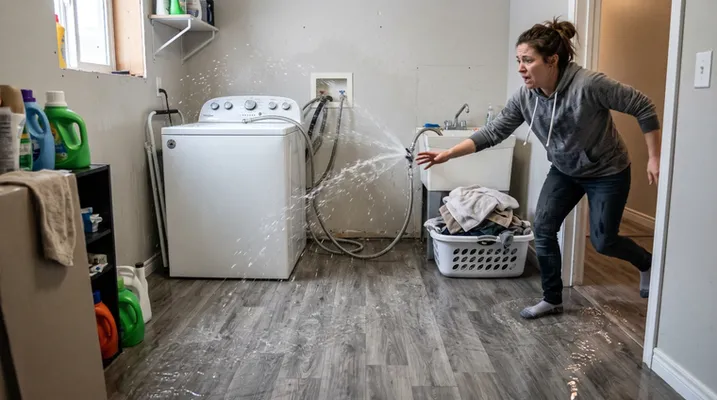
Plumbing leaks have quietly become one of the most expensive problems in home insurance. According to the 2026 LexisNexis U.S. Home Trends Report, the average cost of a non weather water damage claim has risen about 63 percent since 2019, driven largely by inflation and the rising cost of materials and labor, even as the number of such claims dipped in 2025. Industry figures show water damage and freezing make up close to a quarter of homeowners claims, and standard policies typically cover sudden failures like a burst pipe but deny damage from slow, gradual leaks. The bottom line: maintaining your plumbing is now part of protecting your insurance.
By the Best Plumbers Editorial Team. Published November 22, 2026.
Ask any restoration contractor about the most common disaster they see, and it will not be a hurricane or a wildfire. It will be water escaping from inside the house. A cracked supply hose behind a washing machine. A toilet fill line that splits at 2 a.m. A water heater that finally gives out after fifteen years. A pinhole leak in a copper pipe that has been dripping inside a wall for months. These events rarely make the news, but they quietly drive a huge share of insurance losses and premium increases.
At Best Plumbers, we have been connecting homeowners with plumbers since 2002, and we have watched the relationship between plumbing and insurance get closer every year. Here is what the latest data shows and what you can do about it.
What the 2026 Numbers Show
The LexisNexis report, released in July 2026, found that overall home insurance claim severity, meaning the average cost per claim, reached an all time high in 2025. For non weather related water damage specifically, the report found loss costs fell 6.4 percent and claim frequency fell 7.8 percent from 2024 to 2025, while severity rose 2.5 percent. Looking back further, water claim severity climbed about 63 percent between 2019 and 2025, which the report attributed mostly to inflation and higher material and labor costs to remediate damage.
In other words, slightly fewer people filed water claims last year, but each one cost more. Drywall, flooring, cabinets, mold remediation, drying equipment and skilled labor have all become more expensive. A leak that might have cost a few thousand dollars to repair a decade ago can easily run into five figures today. Industry summaries put the average water damage or freezing claim at more than 15,000 dollars, and Insurance Information Institute figures cited by industry press show water damage and freezing accounted for about 22.6 percent of homeowners claims by frequency, second only to wind and hail.
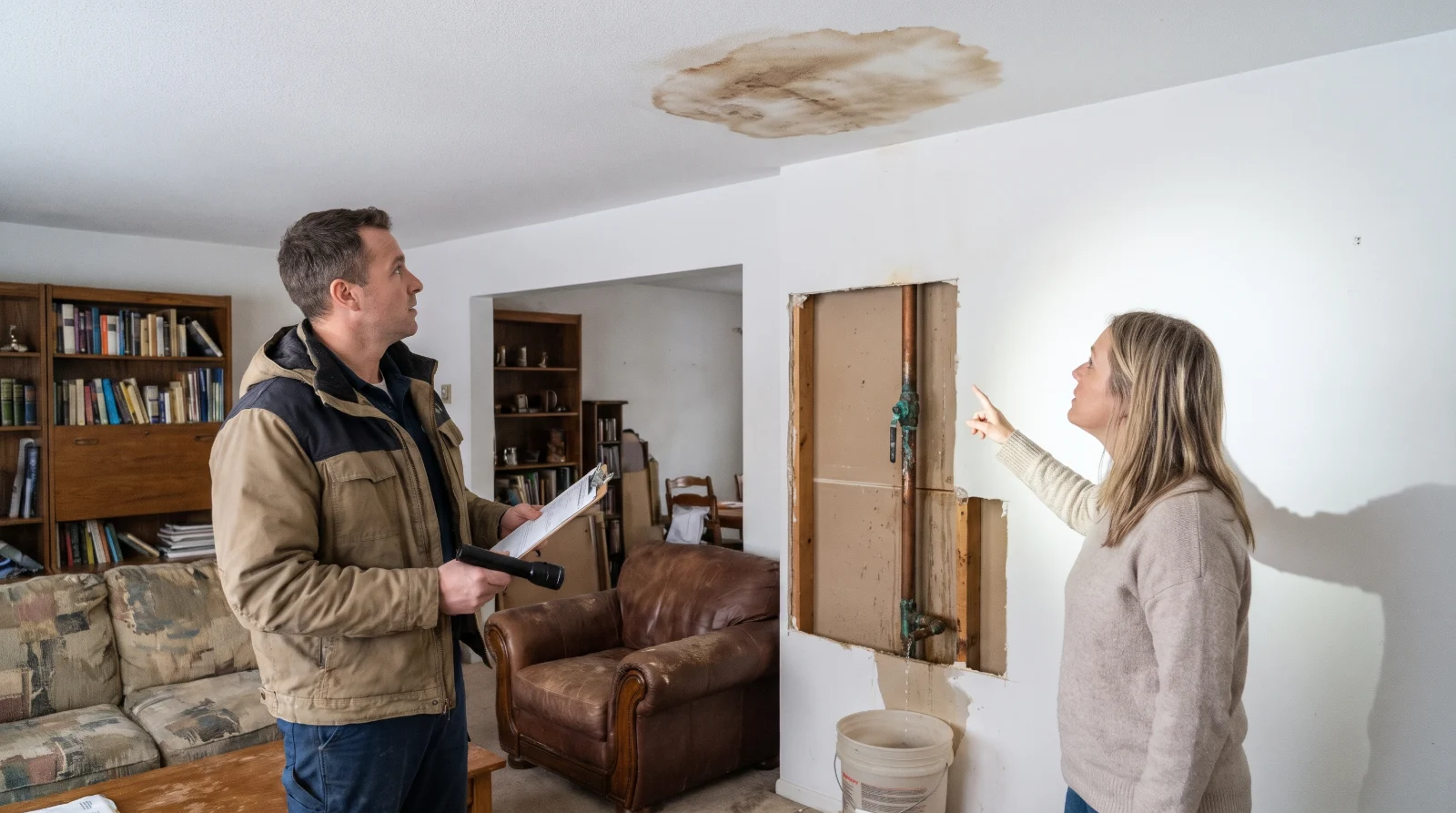
Adjusters look closely at whether water damage was sudden or developed over time. That distinction often decides whether a claim is paid.
Canada Tells a Similar Story
North of the border, Allstate Canada reported that water damage made up more than 40 percent of all its home insurance claims between 2021 and 2025, and that claims from external water sources such as overland flooding, sewer backup and heavy rain jumped 94 percent in 2025 alone. Brokers have reported that some Canadian insurers introduced higher minimum deductibles for water losses. The pattern is consistent across countries with modern plumbing: water escaping from pipes and fixtures is one of the most frequent and costly household losses.
Sudden Versus Gradual: The Distinction That Decides Your Claim
This is the part every homeowner needs to understand. Standard homeowners policies generally cover sudden and accidental water damage, such as a burst pipe or a supply line that fails without warning. They typically exclude damage that results from gradual leaks, seepage, wear and tear or deferred maintenance. Insurers have also noted that water damage claims have among the highest denial rates of any homeowners claim, often because of exactly this distinction.
Here is how that plays out in real life. A washing machine hose bursts and floods the laundry room: usually covered. A slow drip under a sink rots the cabinet and subfloor over eight months: often denied. A shower pan that has been leaking into the ceiling below for a year: often denied, at least in part. A pipe that freezes and bursts in an occupied, heated home: usually covered. A pipe that freezes in a vacant home where the heat was turned off: may be denied.
Policies vary, so read yours carefully and ask your agent about specifics. But the lesson is universal. Small leaks you ignore can turn into large losses you pay for yourself.
The Usual Suspects
When we talk with plumbers and restoration pros, the same culprits come up again and again.
Supply lines. The flexible hoses feeding toilets, faucets, washing machines, dishwashers and ice makers are small, cheap and everywhere. Old rubber hoses are notorious. Replace them with quality braided stainless lines every five to seven years or when they show bulges, rust or kinks.
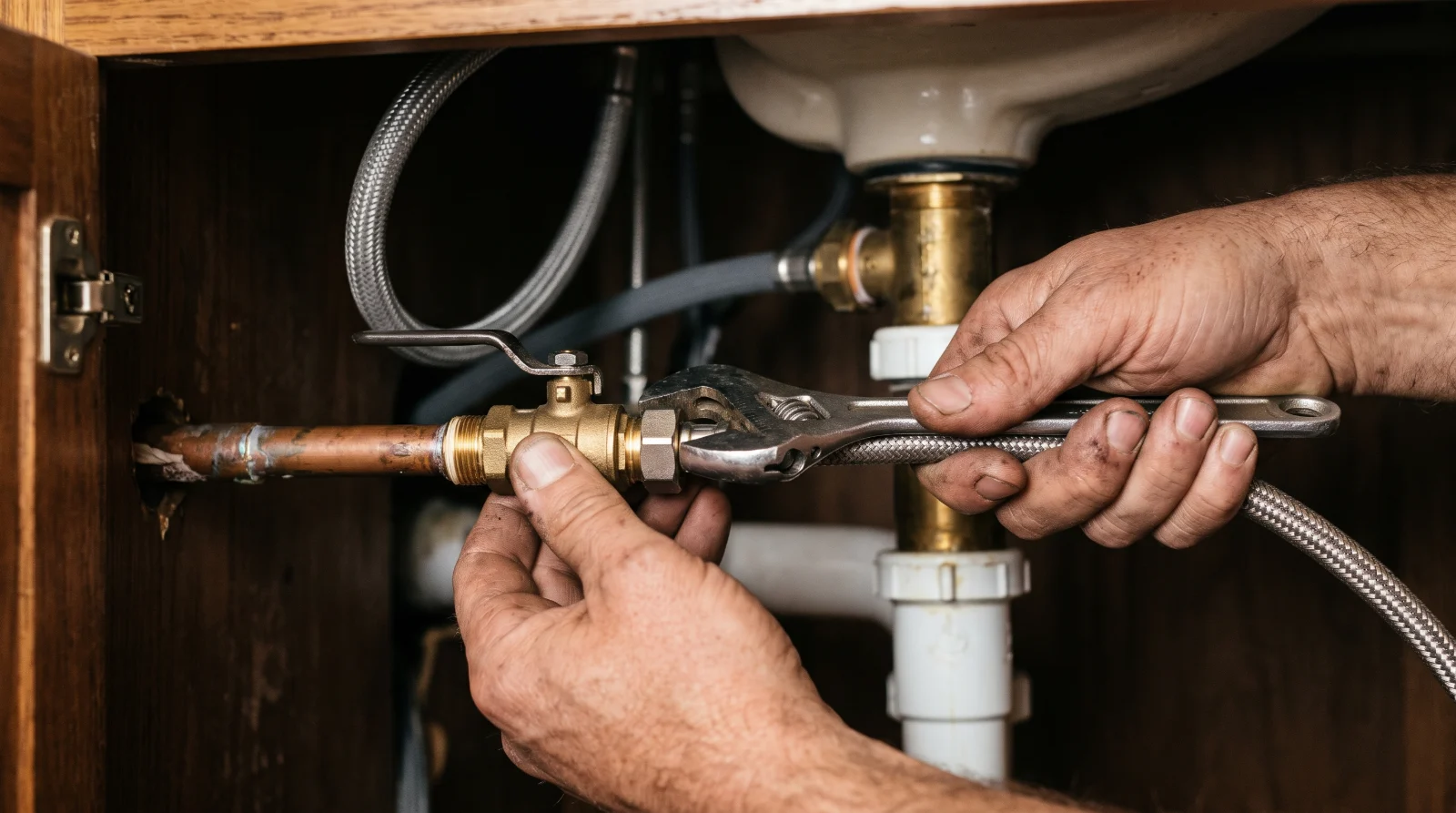
A few dollars spent on quality supply lines and quarter turn shutoff valves can prevent thousands in water damage.
Water heaters. Tank water heaters eventually corrode and leak, often near the end of a typical 8 to 12 year life. A drain pan with a drain line, a leak sensor and timely replacement make a huge difference. Our water heater replacement pros can help you plan.
Toilets. Fill valve failures and cracked tanks cause sudden floods. Wax ring failures cause slow damage to subfloors. Our toilet repair specialists handle both.
Frozen pipes. In cold climates, pipes in exterior walls, crawlspaces and garages burst when temperatures plunge. We covered winter protection in why mild winters can still burst pipes.
Sump pump failures. A failed pump during heavy rain floods basements. Battery backups and alarms help; see our sump pump installation listings.
Hidden pipe leaks. Pinhole leaks in copper, failing fittings and slab leaks can run for months. Industry estimates suggest hidden household leaks can waste thousands of gallons a year before anyone notices.
A Room by Room Walkthrough
Spend twenty minutes this weekend walking your home the way a plumber would. In the kitchen, open the sink cabinet with a flashlight and look for water stains, swollen particleboard, corroded shutoff valves and old rubber supply lines. Pull the refrigerator out and check the ice maker line, which is often a thin plastic tube that cracks with age. Look under the dishwasher toe kick for moisture. In each bathroom, rock the toilet gently; a toilet that moves may have a failing wax ring. Look at the base of the toilet and the floor around the tub for staining or soft spots. Check caulk around tubs and showers, because failed caulk lets water into walls and floors. In the laundry room, inspect washing machine hoses for bulges and make sure the valves turn. In the basement or utility room, look at the bottom of the water heater for rust or moisture, check the relief valve discharge pipe for drips and test the sump pump by pouring water into the pit. Outside, check hose bibs and irrigation for leaks. Write down anything suspicious and have a plumber look at it before it becomes a claim.
What Your Agent Wishes You Knew
Insurance agents tell us the same few things over and over. Know your deductible, because many water claims are just above or below it. Ask whether your policy covers sewer and drain backup, which often requires a separate endorsement. Ask whether there are limits on mold remediation, since mold claims are often capped. Ask about discounts for leak detection and shutoff devices. And document improvements, such as a new water heater or repiping, because they can sometimes help with underwriting. A short conversation with your agent before anything goes wrong is far better than discovering a gap afterward, when you are standing in a soaked living room wondering what is covered.
How Insurers Are Responding
Insurers are not just raising premiums. Many are encouraging or rewarding prevention. Some offer discounts for automatic water shutoff systems, some distribute leak sensors, and some have raised deductibles for water losses or declined to renew customers with repeated claims. We explored the shutoff valve trend in depth in insurers now reward smart water shutoff valves. Insurance companies have also been publishing maintenance checklists urging homeowners to address plumbing drips, clogged gutters and cracked caulk before they become major problems.
Your Water Damage Prevention Plan
Here is the plan we would follow in our own homes.
Know your main shutoff. Find it, label it, make sure it turns and show everyone in the household, including teenagers and house sitters. In a flood, minutes matter, and every gallon you stop is drywall you do not have to replace.
Replace aging supply lines. Do it once and set a reminder for five to seven years.
Install leak sensors. Put them near the water heater, washing machine, dishwasher, toilets, sump pit and under sinks. See our guide to smart plumbing leak sensors.
Consider an automatic shutoff valve. It can stop the water when a leak is detected, even when you are away.
Use your utility's data. Smart meter leak alerts, described in our article on smart water meters, can catch continuous flow early.
Schedule an inspection. A periodic plumbing inspection can spot corroded fittings, failing valves and aging water heaters before they fail.
Fix small leaks immediately. Do not wait. Call for professional leak detection if you suspect a hidden leak.
Protect pipes in winter. Insulate, seal drafts and keep the heat on when you travel.
If Water Damage Happens Anyway
Shut off the water at the main. Turn off electricity to affected areas if it is safe to do so. Photograph and video everything before cleanup. Call your plumber to stop the source and your insurer to report the claim promptly; delays can complicate coverage. Start drying quickly to limit mold; a professional water damage restoration company has the equipment. Keep damaged parts, such as a burst hose, because the adjuster may want to see them. Keep receipts for emergency repairs and temporary housing.
Warning: Restoration and Assignment Scams
Water damage attracts bad actors. Watch for companies that show up uninvited, pressure you to sign an assignment of benefits that transfers your insurance rights to them, or inflate damage. Some states have tightened rules on assignment of benefits after abuse. Read anything you sign, get your insurer involved early, use licensed and reviewed contractors and never let anyone rush you into a contract while you are standing in a wet house.
A Positive Note
We see real reasons for optimism. Leak detection technology is better and cheaper than ever, smart meters and shutoff valves are spreading quickly, and plumbers are increasingly offering maintenance plans that catch problems early. The slight drop in water claim frequency in 2025 may reflect some of these efforts. The trade is moving from fixing disasters to preventing them, and that is good for homeowners, insurers and plumbers alike.
How Best Plumbers Helps
Best Plumbers has been the Internet's original plumbing directory since July 12, 2002, and the most trusted. We list every plumbing company and show every review, good and bad, and our Best Plumbers Recommended seal marks companies we trust most. We never sell leads. Whether you need new supply lines, a leak sensor installation or an emergency repair, find a pro through our locations directory and read the reviews.
The Short Version
Water damage claims cost more than ever, with severity up about 63 percent since 2019. Insurers usually cover sudden failures but deny gradual leaks and neglect. Replace supply lines, install leak sensors, consider an automatic shutoff, inspect water heaters, fix small leaks immediately and know your main shutoff. Prevention is now the best insurance policy you can buy.
Frequently Asked Questions About Water Damage and Insurance
1. How much have water damage claims increased?
LexisNexis found non weather water claim severity rose about 63 percent between 2019 and 2025.
2. Why are water claims so expensive now?
Inflation and higher costs for materials, labor, drying and mold remediation.
3. Did water claim frequency fall in 2025?
Yes. Frequency fell 7.8 percent and loss costs fell 6.4 percent from 2024 to 2025, while severity rose 2.5 percent.
4. How common are water damage claims?
Water damage and freezing account for roughly 22.6 percent of homeowners claims, second only to wind and hail.
5. What is the average water damage claim?
Industry summaries put it at more than 15,000 dollars.
6. Does insurance cover a burst pipe?
Usually, if the failure is sudden and accidental. Check your policy.
7. Does insurance cover slow leaks?
Often not. Gradual leaks, seepage and neglect are commonly excluded.
8. Why are water claims often denied?
Many involve gradual damage or maintenance issues that policies exclude.
9. What causes the most water damage?
Supply line failures, water heaters, toilets, frozen pipes, sump pumps and hidden pipe leaks.
10. How often should I replace supply lines?
Every five to seven years, or sooner if they bulge, rust or kink.
11. Do leak sensors lower insurance costs?
Some insurers offer discounts for sensors or automatic shutoff valves. Ask your agent.
12. What is an automatic shutoff valve?
A device that shuts off your main water supply when a leak is detected.
13. What should I do first when water floods my home?
Shut off the main water valve, stay safe around electricity and document the damage.
14. Should I keep the failed part?
Yes. Adjusters may want to inspect a burst hose or failed fitting.
15. How quickly should I report a claim?
Promptly. Delays can complicate coverage.
16. What is assignment of benefits?
A document transferring your insurance rights to a contractor. Read carefully and involve your insurer.
17. Is water damage claim severity high in Canada too?
Yes. Allstate Canada said water was more than 40 percent of its home claims from 2021 to 2025.
18. Can repeated claims affect my insurance?
Yes. Some insurers raise premiums or decline renewals after repeated water claims.
19. Does a water heater drain pan help?
Yes. A pan with a drain line and a leak sensor limits damage from leaks.
20. Are frozen pipes covered?
Often in occupied, heated homes. Vacant homes without heat may face denials.
21. Is sewer backup covered?
Often only with an endorsement. Check your policy.
22. Can a plumbing inspection prevent claims?
Yes. Inspections catch failing parts before they cause damage.
23. How do I find hidden leaks?
Watch your meter with all water off, use smart meter data and call for leak detection.
24. How do I find a trusted plumber?
Search Best Plumbers, read every review, look for the Best Plumbers Recommended seal and confirm licensing.
25. Why does Best Plumbers cover insurance trends?
Since 2002, Best Plumbers has helped homeowners prevent costly water damage and choose trusted professionals.
Sources
LexisNexis Risk Solutions via PR Newswire, 2026 U.S. Home Trends Report. Insurance Business, water damage has the highest denial rate. Insurance Business Canada, Allstate Canada water claims. Insurify, costlier claims push home insurance up.

