
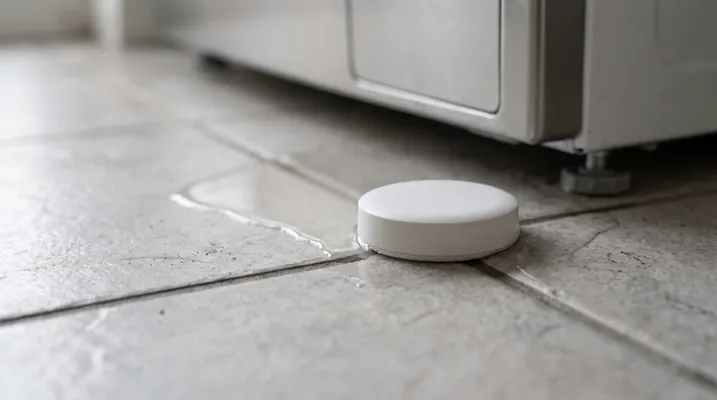
Water damage is one of the most common and costly home insurance claims, and insurers are increasingly rewarding homeowners who install leak sensors and automatic water shutoff valves. In July 2026, Moen and Stand Insurance launched a program that ties active leak detection and automatic shutoff directly to insurance pricing, citing average household water losses above 15,000 dollars. But there is a catch: monitoring data cited by an insurance industry publication suggests that about 30 percent of shutoff devices credited by insurers are not even online. A smart valve only protects you if it is installed correctly, connected and maintained.
By the Best Plumbers Editorial Team. Published November 22, 2026.
We have been fans of leak detection technology for years, and we have written about how smart plumbing leak sensors work and how leak detection is going predictive. What is new in 2026 is how directly the insurance industry is tying these devices to premiums, and how much attention is now on whether they actually work once installed.
Why Insurers Care So Much About Water
Water damage claims cost insurers close to 13 billion dollars a year, according to the National Association of Insurance Commissioners. Industry estimates suggest roughly one in 60 insured homes files a claim for water or freezing damage each year, with average claim costs in the range of 14,000 to 17,000 dollars depending on the source. Unlike hurricanes or wildfires, many water losses are preventable: a burst supply line under a sink, a failed washing machine hose, a leaking water heater, a frozen pipe in an exterior wall. Some studies suggest that most water leaks could be reduced or minimized if an automatic leak detection and shutoff system had been present.
That is why so many insurers now offer discounts. Personal finance coverage has noted that Allstate offers up to 5 percent off for approved smart devices, Cincinnati Insurance offers 2 to 8 percent for devices such as automatic water shutoffs, and companies including Travelers, Amica and Chubb offer savings for water sensors and shutoffs. Some insurers, particularly for high value homes, may require leak detection.
The Moen and Stand Partnership
In July 2026, Moen and Stand Insurance announced a program that links Moen's Flo smart water shutoff device with homeowners insurance discounts. According to the announcement, it was the first time that active leak detection and automatic shutoff were directly linked to pricing at Stand, giving homeowners a financial incentive to prevent water damage before it starts. The announcement cited average household water losses exceeding 15,000 dollars.
Partnerships like this are spreading across the industry as insurers look for ways to reduce claims and reward proactive homeowners.
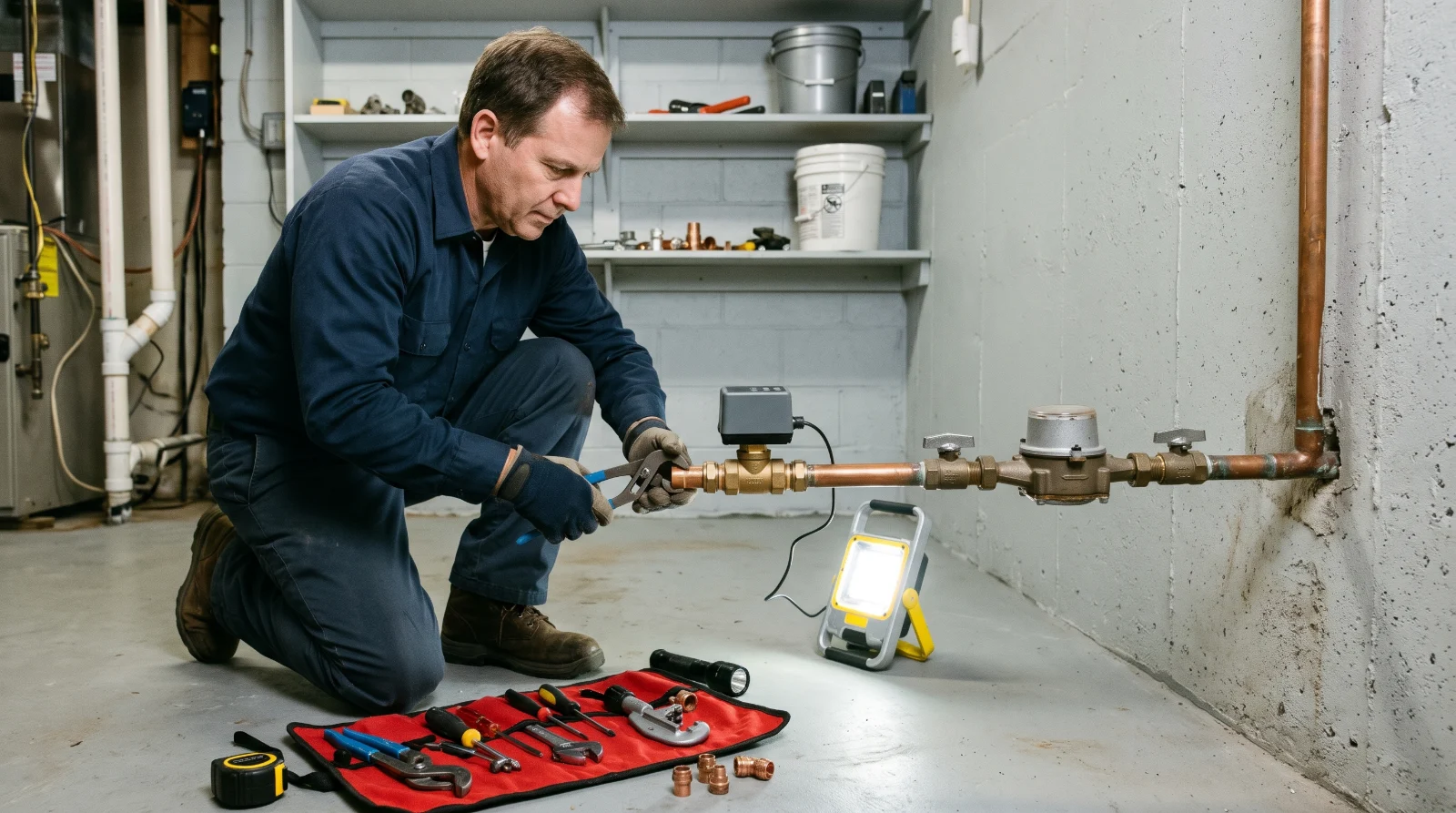
Whole home shutoff valves mount on the main water line. Installation quality determines whether they actually stop water in an emergency.
The Problem: Devices That Are Not Working
Here is the part every homeowner and insurer should pay attention to. An insurance trade publication reported this year, citing monitoring data from a company called Beagle Services, that an estimated 30 percent of automatic water shutoff devices credited by insurers were not online. A device that has lost its Wi Fi connection, has a dead battery in its sensors, has been unplugged or was never properly set up may not alert you or close the valve when it matters.
Even more alarming was an installation mistake described in that coverage. In a New York home, a leak triggered a smart shutoff valve, which closed as designed. But a bypass loop had been left open during installation, so water kept flowing around the closed valve and caused damage. Digitally, the valve reported that it had closed. In reality, nothing stopped the water.
These stories do not mean the technology is bad. They mean installation and maintenance matter enormously.
Where Household Leaks Usually Start
After two decades of hearing from plumbers and homeowners, we see the same culprits again and again. Washing machine supply hoses, especially old rubber ones, can burst without warning and release a huge amount of water in a short time. Braided stainless hoses replaced every several years are a cheap upgrade. Water heaters eventually fail, often by leaking slowly from the bottom of the tank before failing more dramatically. Toilet supply lines and fill valves crack with age. Refrigerator ice maker lines, often thin plastic tubing behind the fridge, get kinked or split. Dishwasher connections loosen. Sink supply lines under kitchen and bathroom vanities fail at the crimp. Frozen pipes in exterior walls, garages and crawl spaces split in cold snaps. And slab leaks, hidden in pipes beneath the floor, can run for months before anyone notices.
Knowing these weak points tells you exactly where to put spot sensors and which inexpensive parts to replace proactively. A plumber can inspect all of them in a single visit and swap tired supply lines and hoses before they fail. It is one of the most cost effective maintenance calls you can make.
Types of Leak Protection
Spot leak sensors. Small battery powered pucks placed on the floor near water heaters, washing machines, dishwashers, sinks, toilets and sump pits. They alert you by phone or alarm when they get wet. Inexpensive and useful, but they only detect water where they sit, and they do not stop the flow on their own unless linked to a shutoff valve.
Flow monitoring shutoff valves. Devices installed on the main water line that monitor flow and pressure. They can detect unusual patterns, such as water running continuously, and automatically close the valve. Many can also run periodic pressure tests to find small hidden leaks.
Sensor linked shutoff systems. Systems where spot sensors communicate with a motorized valve on the main, so the valve closes when any sensor detects water.
Appliance specific valves. Shutoff devices for individual appliances, such as washing machines or water heaters.
The best protection usually combines whole home flow monitoring with spot sensors in high risk locations.
How to Install It Right
A whole home shutoff valve is a plumbing installation on your main water line, and it should be treated like one. Here is what a professional installation should include:
Correct location. Typically after the main shutoff and pressure regulator, where it can protect the entire house. Irrigation lines and fire sprinkler systems may need special treatment so that an automatic shutoff does not interfere with life safety systems.
No open bypass. Some installations include a bypass for service. It must be closed and clearly labeled after installation, or the shutoff is useless.
Proper pressure. High water pressure strains every fixture and connection. A plumber can test pressure and install or adjust a regulator through our pressure regulator installation and testing listings.
Power and connectivity. The valve needs reliable power, ideally with battery backup, and a strong network connection. Test that alerts actually reach your phone.
Sensor placement. Put sensors where leaks begin, not just where they are convenient.
Commissioning test. A professional should test the valve closing, confirm water actually stops at a fixture and document the setup.
A licensed plumber who has installed these devices before is your best bet. Read why in the importance of hiring a licensed plumber, and find specialists through our leak detection listings. If your main line itself needs work, see main water line repair and installation.
How to Keep It Working
Check the app monthly. Make sure the device shows as online and sensors report healthy batteries.
Replace sensor batteries on schedule. Set reminders.
Test the shutoff periodically. Many devices allow a remote close and reopen. Confirm that water actually stops at a faucet.
Update your Wi Fi settings. If you change routers or passwords, reconnect the device right away.
Keep the bypass closed. If a plumber services your main, confirm the bypass is closed afterward.
Tell your insurer. Provide documentation to qualify for discounts, and keep records showing the device is installed and active.
Winter Is the Time to Act
Frozen and burst pipes are among the most destructive winter losses. A flow monitoring shutoff can limit damage dramatically if a pipe bursts while you are asleep or away. Some devices also monitor temperature. Pair technology with the basics in our guide to winterizing your plumbing. If you have a basement, a reliable sump pump with battery backup is another key defense; see our sump pump installation listings.
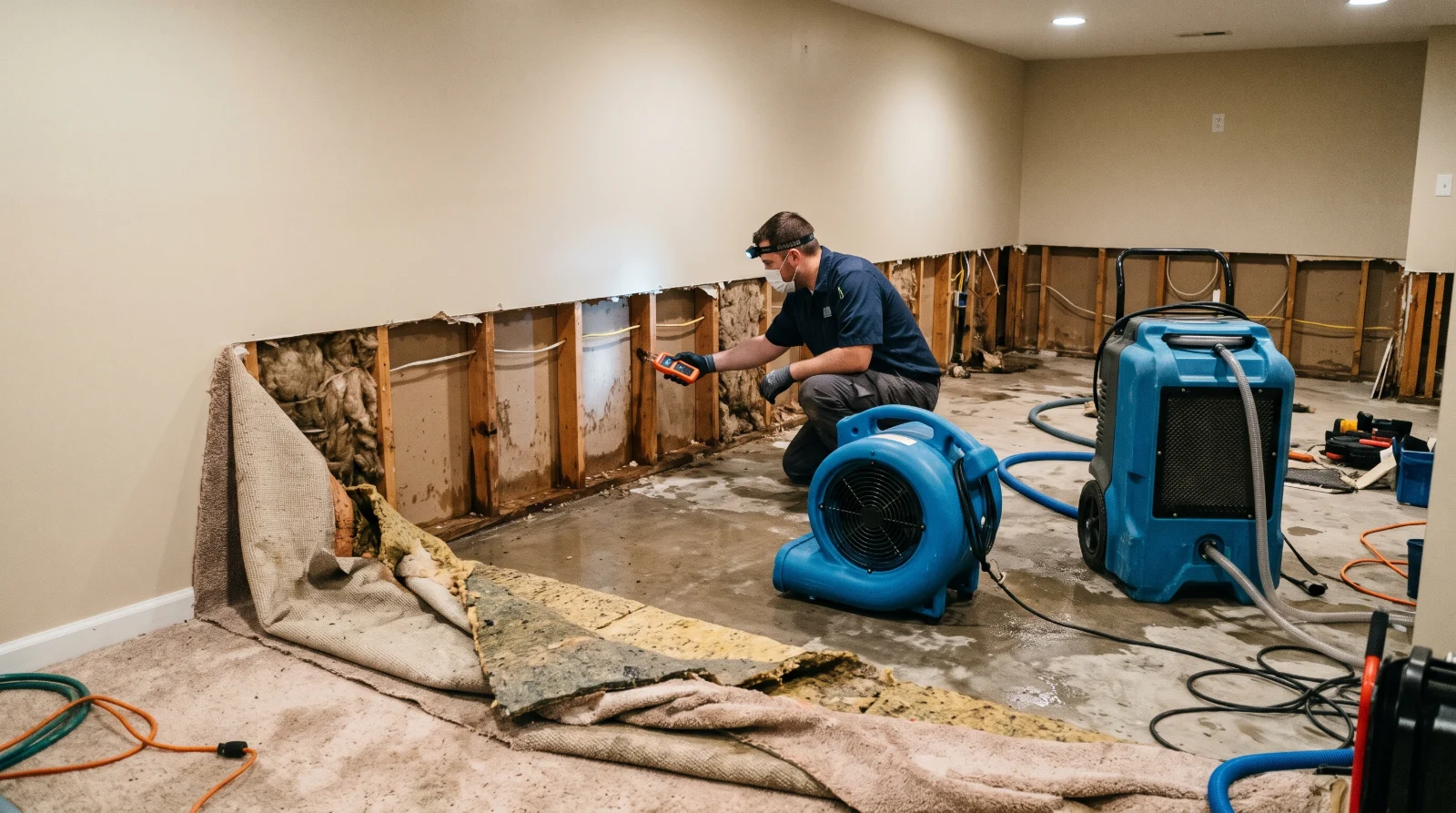
Average water damage claims run well into five figures. Early detection and automatic shutoff can turn a disaster into a towel and a phone alert.
If the Worst Happens
If you discover a leak, shut off the main water supply immediately, turn off power to affected areas if water is near electrical outlets or equipment, photograph everything for your insurer, and call a plumber to stop the source. Then call water damage professionals quickly, because mold can begin to grow within a day or two. Our water damage restoration and flood cleanup listings can help.
Warning: Smart Device Sales Pitches
As insurers promote these devices, sales pitches will follow. Be wary of anyone who pushes an expensive system without assessing your home, installs devices without a permit where one is required, cannot explain how the bypass and sprinkler connections are handled, or promises an insurance discount without checking with your insurer. Discounts vary by company and state, and some insurers only recognize specific devices.
The Optimistic View
This is genuinely good news for homeowners and for the plumbing trade. Technology that stops floods before they start saves families enormous stress, protects homes and reduces insurance costs for everyone. Plumbers who learn to install and commission these systems properly are providing a valuable modern service. The 30 percent offline problem is fixable with better installation, better follow up and more informed homeowners.
How Best Plumbers Helps
Best Plumbers has been the Internet's original plumbing directory since July 12, 2002. We list every plumbing company and show every review, good and bad, and our Best Plumbers Recommended seal marks companies we trust most. We never sell leads. To find a pro who installs smart shutoff systems correctly, search plumbers near me and read the reviews.
The Bottom Line
Insurers are increasingly rewarding smart leak sensors and automatic water shutoff valves, and programs like the Moen and Stand partnership tie protection directly to price. But a device that is offline, poorly placed or installed with an open bypass protects no one. Have a licensed plumber install it, test it, keep it online and tell your insurer. Do that, and you can enjoy both the discount and the peace of mind.
Frequently Asked Questions About Smart Water Shutoff Valves and Insurance
1. What is a smart water shutoff valve?
It is a motorized valve installed on your main water line that monitors flow or receives signals from sensors and automatically shuts off water when it detects a leak.
2. Do insurers offer discounts for leak detection?
Many do. Discounts vary by insurer and state. Examples include up to 5 percent at Allstate and 2 to 8 percent at Cincinnati Insurance for qualifying devices.
3. What did Moen and Stand Insurance announce?
In July 2026 they launched a program linking Moen's Flo smart water shutoff device with homeowners insurance discounts at Stand.
4. How much do water damage claims cost?
Industry figures place average water damage claims around 14,000 to 17,000 dollars, and the Moen and Stand announcement cited average household losses above 15,000 dollars.
5. How much does water damage cost insurers overall?
Water damage claims cost insurers close to 13 billion dollars a year, according to the National Association of Insurance Commissioners.
6. Why are some smart shutoff devices not working?
Monitoring data cited by an insurance publication suggests about 30 percent of credited devices were offline, due to issues such as lost connectivity, dead batteries or poor setup.
7. What is a bypass loop and why does it matter?
A bypass allows water to flow around a valve for service. If left open, water can keep flowing even when the shutoff valve closes, defeating its purpose.
8. Where should leak sensors be placed?
Place them near water heaters, washing machines, dishwashers, sinks, toilets, refrigerators with ice makers and sump pits, where leaks typically start.
9. Do spot sensors stop leaks?
On their own, they only alert you. Linked to a motorized shutoff valve, they can trigger automatic shutoff.
10. Can a shutoff valve detect hidden leaks?
Many flow monitoring valves can run periodic pressure tests and detect small continuous flows that suggest hidden leaks.
11. Will a smart shutoff valve affect my fire sprinklers?
It could if installed incorrectly. Homes with fire sprinkler systems need professional design so life safety systems are not shut off.
12. Should a plumber install a whole home shutoff valve?
Yes. It is a plumbing installation on your main line, and correct placement, bypass handling and testing are essential.
13. Do smart shutoff valves need power?
Most need power and an internet connection for alerts. Battery backup helps keep protection during outages.
14. How do I keep my device working?
Check the app monthly, replace sensor batteries, test the valve periodically, reconnect after Wi Fi changes and keep the bypass closed.
15. Can smart valves help prevent frozen pipe damage?
They can limit damage by shutting off water quickly after a burst, and some monitor temperature to warn of freezing risk.
16. How do I get an insurance discount?
Ask your insurer which devices qualify, provide proof of installation and keep the device active. Requirements differ between companies.
17. What should I do if I find a leak?
Shut off the main water, cut power near water if safe, photograph damage, call a plumber to stop the source and contact water damage professionals.
18. How fast can mold grow after a leak?
Mold can start growing within roughly a day or two in wet materials, so quick drying is important.
19. Does high water pressure increase leak risk?
Yes. Excess pressure stresses pipes, hoses and fixtures. A plumber can test pressure and install a regulator if needed.
20. Are leak sensors worth it for renters?
Portable spot sensors can help renters catch leaks early. Whole home valves usually require landlord approval.
21. Can an insurer require leak detection?
Some insurers, particularly for high value homes, may require leak detection or shutoff devices as a condition of coverage.
22. Do sump pumps help prevent water damage?
Yes. A reliable sump pump with battery backup protects basements from groundwater and storm flooding.
23. How much does a smart shutoff valve cost?
Costs vary by device and installation complexity. Get written quotes from licensed plumbers and weigh them against potential insurance savings.
24. How do I find a plumber who installs smart shutoff valves?
Search Best Plumbers, read every review, look for the Best Plumbers Recommended seal and ask about experience with your chosen device.
25. Why does Best Plumbers cover leak detection technology?
Since 2002, Best Plumbers has helped homeowners prevent water damage and find skilled plumbers. Smart leak protection is one of the most effective modern tools.
Sources
PR Newswire via Finviz, Moen and Stand Insurance launch program (July 8, 2026). Insurance Agent magazine, Preventing costly water damage through effective technology installation. PropertyCasualty360, How insurance agents and carriers can strengthen leak prevention. NerdWallet, Smart home devices could save you money on home insurance. Contractor, leak detection can reduce average claim costs.

