
In 2026, the US Environmental Protection Agency's WaterSense program marks 20 years since its launch in 2006. The voluntary label identifies toilets, showerheads, faucets, irrigation controllers and other products that use less water while meeting performance standards. By EPA's count, more than 1 billion WaterSense labeled products have been shipped, and the program reported helping save 8.7 trillion gallons of water and about 207 billion dollars in water and energy bills through 2023. For homeowners anywhere, the lesson is simple: efficient, independently tested fixtures can cut water use substantially without sacrificing performance.
By the Best Plumbers Editorial Team. Published November 22, 2026.
Twenty years ago, many people associated water saving fixtures with weak showers and toilets that needed two flushes. That reputation had some basis in early low flow products. WaterSense set out to change it by labeling products that are both efficient and effective, with performance verified by independent certification. Today, efficient fixtures are mainstream, and most people never notice they are using less water. At Best Plumbers, we have helped homeowners choose and install fixtures since 2002, and we consider WaterSense one of the most useful consumer labels in plumbing.
What the WaterSense Label Means
Products earn the WaterSense label by meeting EPA specifications for water efficiency and performance, typically using at least 20 percent less water than standard products in their category, and by being independently certified. Key product categories include:
Toilets. Labeled toilets use no more than 1.28 gallons per flush, compared with the 1.6 gallon federal standard, and must pass a performance test for flushing waste.
Showerheads. Labeled showerheads use no more than 2.0 gallons per minute, compared with the 2.5 gallon federal maximum, while meeting requirements for spray force and coverage.
Bathroom faucets. Labeled bathroom sink faucets and accessories use no more than 1.5 gallons per minute.
Irrigation. Labeled weather based irrigation controllers and soil moisture sensors adjust watering to conditions, and labeled spray sprinkler bodies regulate pressure to reduce misting and waste.
WaterSense also certifies new homes and offers resources for commercial buildings and irrigation professionals.
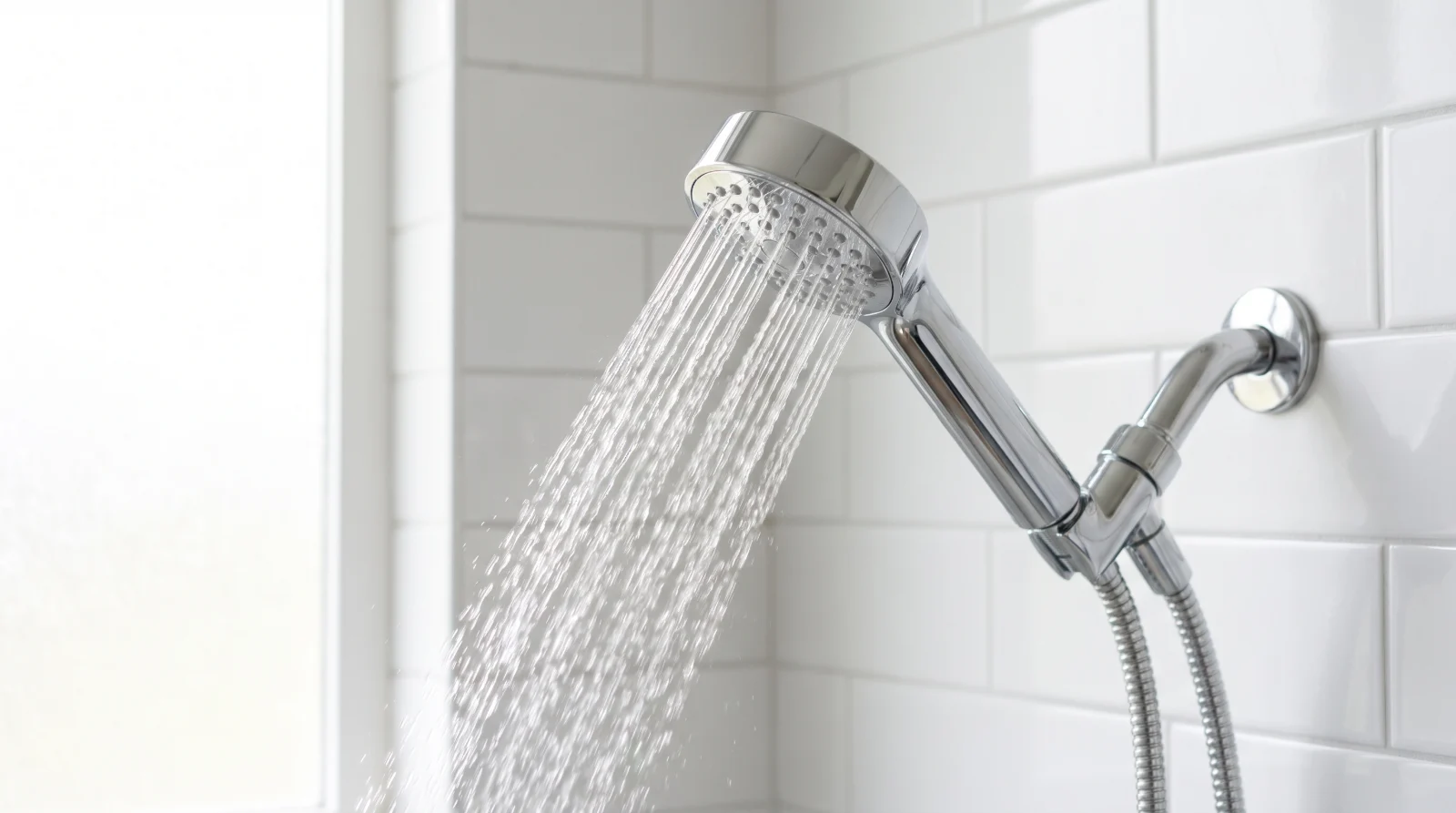
Modern efficient showerheads deliver satisfying coverage while using less water than older models.
A Short History of Water Efficient Plumbing
The push for efficient fixtures started long before WaterSense. In the 1980s and early 1990s, drought hit states and cities began requiring lower flow toilets and showerheads, and the federal Energy Policy Act of 1992 set national maximums, including 1.6 gallons per flush for most new toilets and 2.5 gallons per minute for showerheads. Early 1.6 gallon toilets earned a poor reputation because some designs simply used less water without being re engineered, leading to double flushing. Manufacturers responded with better bowl, trapway and valve designs, and independent performance testing helped separate good products from bad. When WaterSense launched in 2006, it built on that progress by labeling products that went beyond the federal minimums while proving they worked. Today, some states, including California, require fixtures at or near WaterSense levels for all new sales.
How to Choose a Great Efficient Toilet
Not all efficient toilets are equal, even among labeled models. Look at independent performance scores, which test how much waste a toilet can remove in a single flush. Consider a dual flush model, which offers a reduced flush for liquid waste and a full flush for solids. Check comfort features like seat height and elongated bowls. Consider how easy the toilet is to clean, including skirted designs and glazed trapways. Finally, make sure replacement parts are readily available, since flappers and fill valves eventually wear out. A plumber who installs toilets regularly will know which models perform well in real homes.
Twenty Years of Results
EPA reports that more than 1 billion WaterSense labeled products have been shipped by manufacturers since the program began. In 2024, the agency said that since 2006, WaterSense and its partners had helped save 8.7 trillion gallons of water, nearly 1 trillion kilowatt hours of energy and about 207 billion dollars in water and energy bills, with nearly 1.2 trillion gallons saved in 2023 alone. Energy savings come from heating and pumping less water. Thousands of manufacturers, retailers, utilities, builders and other organizations participate as partners.
Like many federal programs, WaterSense has faced periodic budget debates over the years, and its funding has been renewed. Supporters argue it delivers large savings at low cost and gives consumers trusted information. Some critics of federal programs argue that market forces and state standards could achieve similar results. The program has continued to operate and update its specifications.
Where Water Goes in a Typical Home
According to EPA figures cited by the plumbing industry, toilets account for roughly 30 percent of indoor water use in an average home, showers about 20 percent and faucets about 15 percent. Clothes washers and leaks make up much of the rest. That means the bathroom is the best place to start saving.
Upgrading Toilets
Replacing older toilets, especially those made before the 1990s that may use 3.5 gallons or more per flush, can dramatically cut water use. Modern WaterSense toilets use advanced bowl and trapway designs to clear waste with less water, and independent testing helps ensure they work well. When choosing a toilet, consider bowl height and shape for comfort, check performance ratings and make sure the rough in measurement matches your bathroom. Professional installation ensures a proper seal and prevents leaks; see our toilet installation specialists.
Upgrading Showers and Faucets
A WaterSense showerhead is one of the easiest upgrades. It saves water and the energy needed to heat it, which can noticeably lower utility bills. Try different spray patterns to find one you like. For sinks, low cost aerators can convert many existing bathroom faucets to WaterSense levels. Kitchen faucets are not part of the bathroom faucet specification, but efficient aerators and models with a pause feature can still save water. Our faucets and fixtures pros can help, and if you are planning a full bathroom remodel, specify WaterSense products from the start.
Outdoor Water Savings
Outdoor watering can account for a large share of household water use, especially in dry climates and summer months. WaterSense labeled irrigation controllers use local weather data or soil moisture to water only when needed. Fixing leaking sprinkler heads, adjusting spray patterns so they do not water pavement and watering early in the morning all help.

Weather based irrigation controllers adjust watering automatically, saving water in gardens and lawns.
Leaks: The Hidden Waste
Efficient fixtures save water only if they are not leaking. Running toilets, dripping faucets and leaking irrigation valves can waste large amounts. EPA's annual Fix a Leak Week encourages homeowners to check for leaks. Smart water meters, which we covered in our article on smart water meters and leak alerts, are making leaks easier to spot. When you cannot find the source, call for professional leak detection.
Simple Water Saving Habits
Fixtures do the heavy lifting, but habits matter too. Take shorter showers; even a minute or two less adds up over a year. Turn off the tap while brushing teeth or shaving. Run dishwashers and washing machines only with full loads. Keep a jug of water in the fridge instead of running the tap until it is cold. Use a broom rather than a hose to clean driveways. Collect cold water while waiting for the shower to warm up and use it for plants. Teach children these habits early, and they will carry them for life.
Rebates Make Upgrades Cheaper
Many water utilities offer rebates for WaterSense toilets, irrigation controllers and other efficient products, especially in drought prone regions. Some offer free showerheads and aerators. Check your utility's website and our plumbing rebates page before you buy, and look for local deals on our plumbing coupons page.
Efficiency Around the World
WaterSense is a US program, but water efficiency labeling is common worldwide. Australia's Water Efficiency Labelling and Standards scheme, known as WELS, uses a star rating that is mandatory for many products. The United Kingdom and Europe have voluntary water labels, and other countries have their own standards. During droughts, such as the 2026 UK hosepipe bans, efficient fixtures help households cope with restrictions. Wherever you live, look for your country's efficiency label when choosing fixtures.
Water and Energy Go Together
Heating water is one of the largest energy uses in a typical home. Using less hot water through efficient showerheads and faucets reduces energy bills, and pairing them with an efficient water heater multiplies the savings. If your water heater is aging, consider efficient options with our water heater installation specialists.
Do Efficient Fixtures Cause Problems?
Most homeowners are happy with modern efficient fixtures, but a few issues can arise. In older homes with long drain lines or pipes that have sags or buildup, lower flush volumes may occasionally lead to more frequent clogs. A camera inspection can identify drain problems that should be corrected. Some people find certain low flow showerheads less satisfying, which is why trying different models and spray patterns helps. Choosing independently certified products, rather than the cheapest unlabeled option, avoids most problems.
Efficiency for Businesses and Multifamily Buildings
Water efficiency matters even more in buildings with many fixtures. Apartment complexes, hotels, offices, schools and restaurants can save substantial amounts by upgrading toilets, urinals, showerheads and faucets, fixing leaks promptly and using efficient commercial kitchen equipment. WaterSense offers resources for commercial buildings, including best management practices and benchmarking tools. For landlords, efficient fixtures reduce operating costs and can make units more attractive to tenants who pay their own water bills. Facility managers should schedule regular inspections, because a single running toilet in a large building can waste water for weeks unnoticed. A commercial plumber can audit fixtures and recommend a phased upgrade plan that fits the budget.
What the Next 20 Years Could Bring
Looking ahead, water efficiency is likely to become even more connected and data driven. Smart meters, leak detecting shutoff valves and connected fixtures can report usage and problems in real time. Greywater and rainwater reuse systems may become more common in water stressed regions. Fixtures will continue to improve in performance as manufacturers refine designs. Whatever the technology, the principle behind WaterSense will remain the same: give people trustworthy information so they can save water without giving up comfort.
Warning: Fake Labels and Tampering
Be wary of products sold online that claim to be water efficient without certification, or that display labels that look official but are not. Check EPA's WaterSense product search to confirm a product is labeled. Also avoid removing flow restrictors from showerheads or faucets; doing so wastes water and may violate local codes or rebate terms. Browse certified options on our plumbing products page.
A Thank You to Plumbers
Every efficient toilet, showerhead and faucet installed over the past 20 years was fitted by someone, and in most cases that someone was a plumber who explained the options to a homeowner and installed it correctly. Plumbers are on the front line of water conservation, and we salute their role in saving trillions of gallons.
How Best Plumbers Helps
Best Plumbers has been the Internet's original plumbing directory since July 12, 2002, and the most trusted. We list every plumbing company and every review, good and bad, and our Best Plumbers Recommended seal marks companies we trust most. We never sell leads. Find fixture installation pros through our locations directory and read the reviews before you hire.
The Bottom Line
After 20 years, WaterSense has shown that saving water and maintaining performance can go hand in hand. If you are replacing a toilet, showerhead, faucet or irrigation controller, look for the label, check for rebates, fix leaks and use a qualified installer. Small upgrades, repeated across millions of homes, add up to enormous savings.
Frequently Asked Questions About WaterSense and Efficient Fixtures
1. What is WaterSense?
A voluntary EPA program launched in 2006 that labels water efficient products meeting performance standards.
2. How much water has WaterSense saved?
EPA reported 8.7 trillion gallons saved from 2006 through 2023, along with about 207 billion dollars in water and energy bills.
3. How many WaterSense products have been shipped?
EPA reports more than 1 billion labeled products shipped by manufacturers.
4. How much water does a WaterSense toilet use?
No more than 1.28 gallons per flush, compared with the 1.6 gallon federal standard.
5. How much water does a WaterSense showerhead use?
No more than 2.0 gallons per minute, compared with the 2.5 gallon federal maximum.
6. What about bathroom faucets?
WaterSense bathroom faucets and accessories use no more than 1.5 gallons per minute.
7. Do WaterSense toilets flush well?
They must pass independent performance testing, and modern designs clear waste effectively.
8. Where is most indoor water used?
Toilets use about 30 percent, showers about 20 percent and faucets about 15 percent of indoor water in an average home.
9. Are there rebates for WaterSense products?
Many utilities offer rebates for toilets, irrigation controllers and other efficient products.
10. Do efficient showerheads save energy?
Yes. Using less hot water reduces the energy needed to heat it.
11. Can I make my faucet efficient cheaply?
Often yes, with a low cost aerator that reduces flow while maintaining performance.
12. What is a weather based irrigation controller?
A controller that adjusts watering schedules using local weather data to avoid overwatering.
13. Is WaterSense used outside the US?
WaterSense is a US program, but many countries, like Australia with WELS, have their own labels.
14. Can low flow toilets cause clogs?
Occasionally in older homes with drain problems. A camera inspection can identify issues to fix.
15. How do I verify a WaterSense product?
Use EPA's WaterSense product search to confirm the label.
16. Should I remove flow restrictors?
No. It wastes water and may violate codes or rebate terms.
17. What is Fix a Leak Week?
An annual EPA campaign encouraging homeowners to find and fix household leaks.
18. Do new homes get WaterSense labels?
Yes. WaterSense certifies new homes that meet water efficiency criteria.
19. Does WaterSense cover kitchen faucets?
The bathroom faucet specification does not cover kitchen faucets, but efficient aerators still help.
20. How much can I save with efficient fixtures?
Savings vary by household, but upgrading older toilets and showerheads often cuts water use noticeably.
21. Is WaterSense funding secure?
It has faced budget debates over the years but has continued to operate.
22. Should I replace a working toilet?
If it is an older high volume model, replacement can pay off, especially with rebates.
23. Do I need a plumber to install fixtures?
Professional installation ensures proper seals, connections and code compliance.
24. How do I find a fixture installer?
Search Best Plumbers, read every review, look for the Best Plumbers Recommended seal and confirm licensing.
25. Why does Best Plumbers celebrate WaterSense?
Since 2002, Best Plumbers has helped homeowners save water and money with efficient plumbing.
Sources
US EPA, WaterSense, 2025 WaterSense accomplishments and 2024 WaterSense awards release. Business Wire, Plumbing Manufacturers International water saving tips.

