
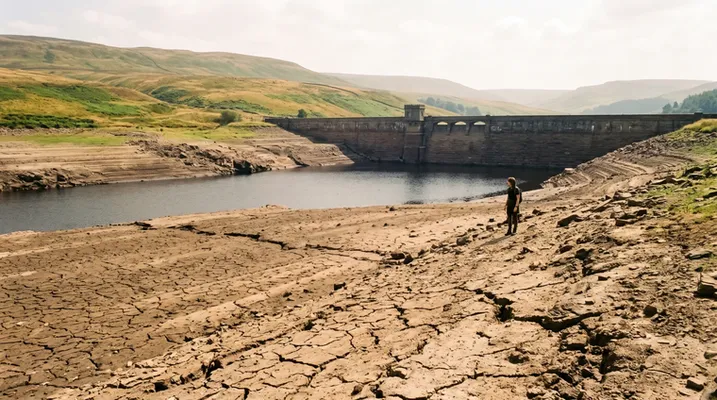
After the United Kingdom's warmest summer on record, ten water companies in England imposed Temporary Use Bans, better known as hosepipe bans, restricting more than 27 million people at the peak. Thames Water's ban for about 10 million customers began on July 23, 2026, and Wessex Water introduced its first hosepipe ban in 50 years on August 18. Bans can carry fines of up to 1,000 pounds. The drought is a powerful reminder for homeowners everywhere: the fastest, cheapest way to protect water supplies is to fix leaks, upgrade wasteful fixtures and use water wisely, and plumbers are at the heart of all three.
By the Best Plumbers Editorial Team. Published November 22, 2026.
Britain is famous for its rain, so hosepipe bans can come as a surprise to people elsewhere. Yet 2026 delivered a remarkable run of heat. Many regions saw one of the driest springs in years, several official heatwaves and record temperatures, and demand for water soared just as rivers and reservoirs fell. Water companies, regulators and the Environment Agency activated drought plans, and by late summer hosepipe bans covered huge swaths of England, from Kent to Devon and from London to East Anglia.
Best Plumbers has many readers in England, Scotland, Wales and Northern Ireland, and we have followed the British water story closely, including our recent article on Thames Water's future. This guide explains what happened, what the rules mean and how good plumbing helps every household get through a drought.
Who Imposed Hosepipe Bans in 2026
According to Water UK, Affinity Water, Anglian Water, Bristol Water, Cambridge Water, Essex and Suffolk Water, Southern Water, South East Water, South West Water, Thames Water and Wessex Water all had Temporary Use Bans in place for some or all of their customers. Highlights include:
Thames Water. Britain's largest water company introduced a ban for its roughly 10 million supply customers from July 23, 2026, after record heat pushed demand well above normal. The company said that in one week in early July it produced more drinking water than the whole of the UK usually uses in a day. Its ban remained in place into the autumn.
Wessex Water. On August 18, Wessex introduced a ban for all its customers, the first in its region since the famous drought of 1976.
Cambridge Water. Its ban for about 350,000 customers was its first in three decades.
South East Water. Bans began in Kent in early July and expanded to Sussex, Surrey, Hampshire and Berkshire later that month.
Anglian Water. A ban covered domestic customers across much of the East of England after three successive heatwaves.
What a Hosepipe Ban Means
A Temporary Use Ban restricts using a hosepipe connected to the mains supply for activities such as watering gardens, washing cars, filling paddling pools and private swimming pools, cleaning patios and windows and filling ponds. The exact list and exemptions vary by company, so check your supplier's legal notice. Many bans include exemptions for people with certain disabilities or medical needs, for registered businesses and for some health and safety uses. Customers can usually still water gardens with a watering can, use water from a water butt or use greywater. Under the Water Industry Act, water companies can impose fines of up to 1,000 pounds on people who break a ban, though most companies focus on education rather than prosecution.
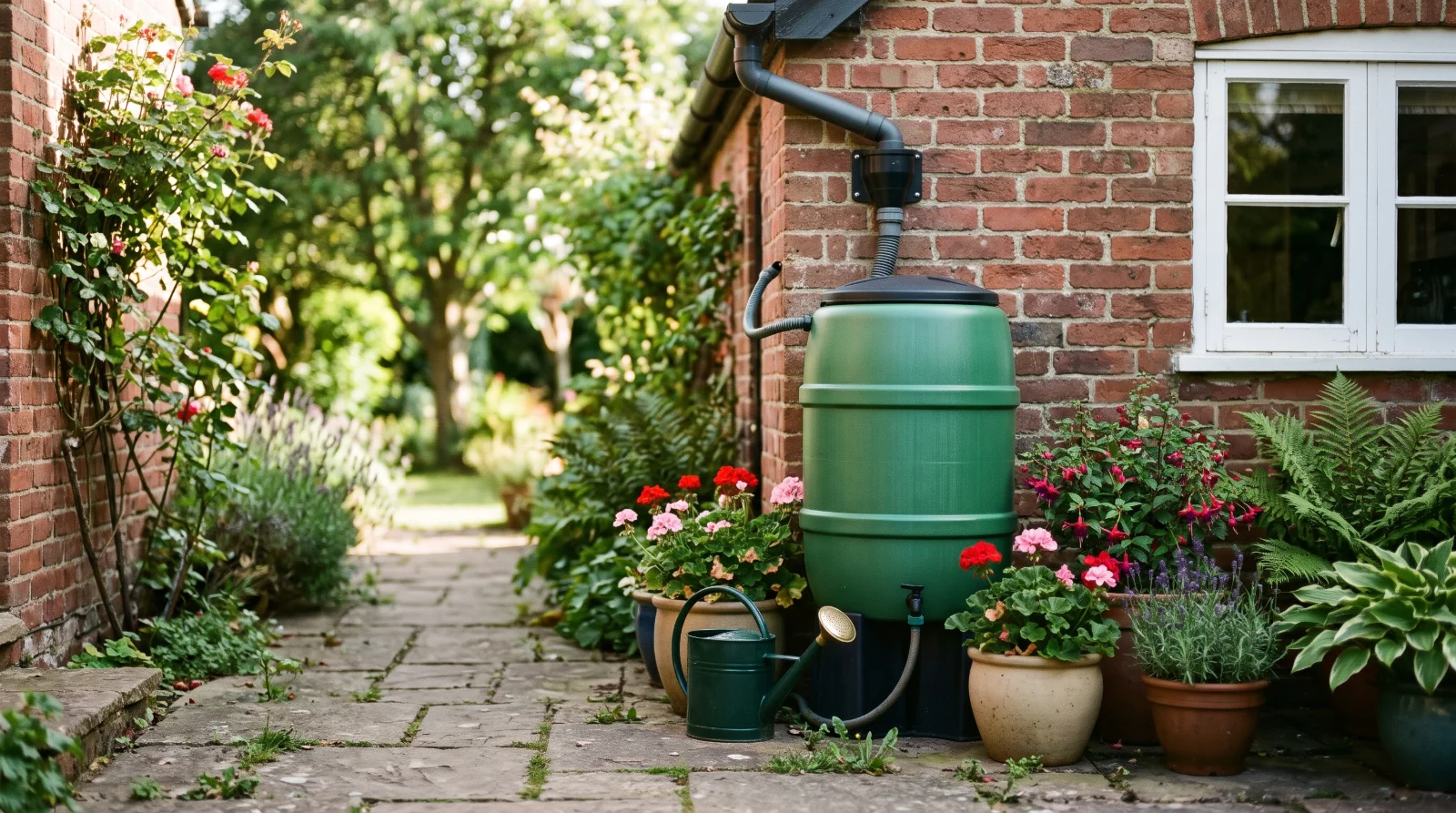
Water butts capture rainwater from downpipes, giving gardeners a free supply that is not affected by hosepipe bans.
Why Leaks Matter So Much
During every drought, leaks become a lightning rod. Water companies in England lose a significant share of the water they treat through leaking pipes, and regulators have pressed them to cut leakage. Critics argue that it is unfair to restrict customers while companies still lose large volumes, and they want faster investment. Water companies point to record leak repair efforts, pressure management and smart network monitoring, and note that aging pipes under busy streets are complex and costly to replace. Both sides agree that leakage must keep falling.
What is less discussed is the leakage on the customer side. Leaking toilets, dripping taps and cracked underground supply pipes on private property waste a great deal of water too. A toilet with a faulty fill valve or flush valve can trickle water into the pan all day and night, wasting hundreds of litres. A leaking supply pipe between the boundary stop tap and the house can lose water for months without anyone noticing.
How to Check Your Home for Leaks
Use your meter. If you have a water meter, turn off all taps and appliances, read the meter, wait an hour without using water and read it again. If the numbers moved, you likely have a leak.
Test toilets. Wipe the back of the pan dry and lay a piece of toilet paper there. If it becomes wet without flushing, the toilet is leaking. A few drops of food coloring in the cistern works too. Our toilet repair specialists can replace faulty valves quickly.
Listen and look. Hissing pipes, damp patches, mold, a constantly running overflow or a soggy patch in the garden can all point to leaks.
Call in the experts. When the source is hidden, professional leak detection uses acoustic equipment, tracer gas and thermal imaging to find it without tearing up floors. Smart devices, covered in our article on smart plumbing leak sensors, can alert you before small leaks become big ones.
Some UK water companies offer free or discounted repairs for leaking customer supply pipes, so check your supplier's leakage policy before paying for repairs. If the pipe is old lead or badly corroded, replacement may be the best long term option; see our water line replacement listings.
Fixtures That Save Water Every Day
A drought is the perfect time to consider upgrades that cut water use permanently:
Dual flush toilets. Modern dual flush toilets use far less water per flush than older single flush models.
Water efficient showerheads. Aerated and flow regulated showerheads deliver a satisfying shower with less water. Pair them with shorter showers for even bigger savings.
Tap aerators and efficient taps. Simple aerators reduce flow without hurting performance. Our faucets and fixtures specialists can recommend options.
Balanced pressure. Excessively high water pressure wastes water and stresses pipes. A properly set pressure reducing valve helps where pressure is high.
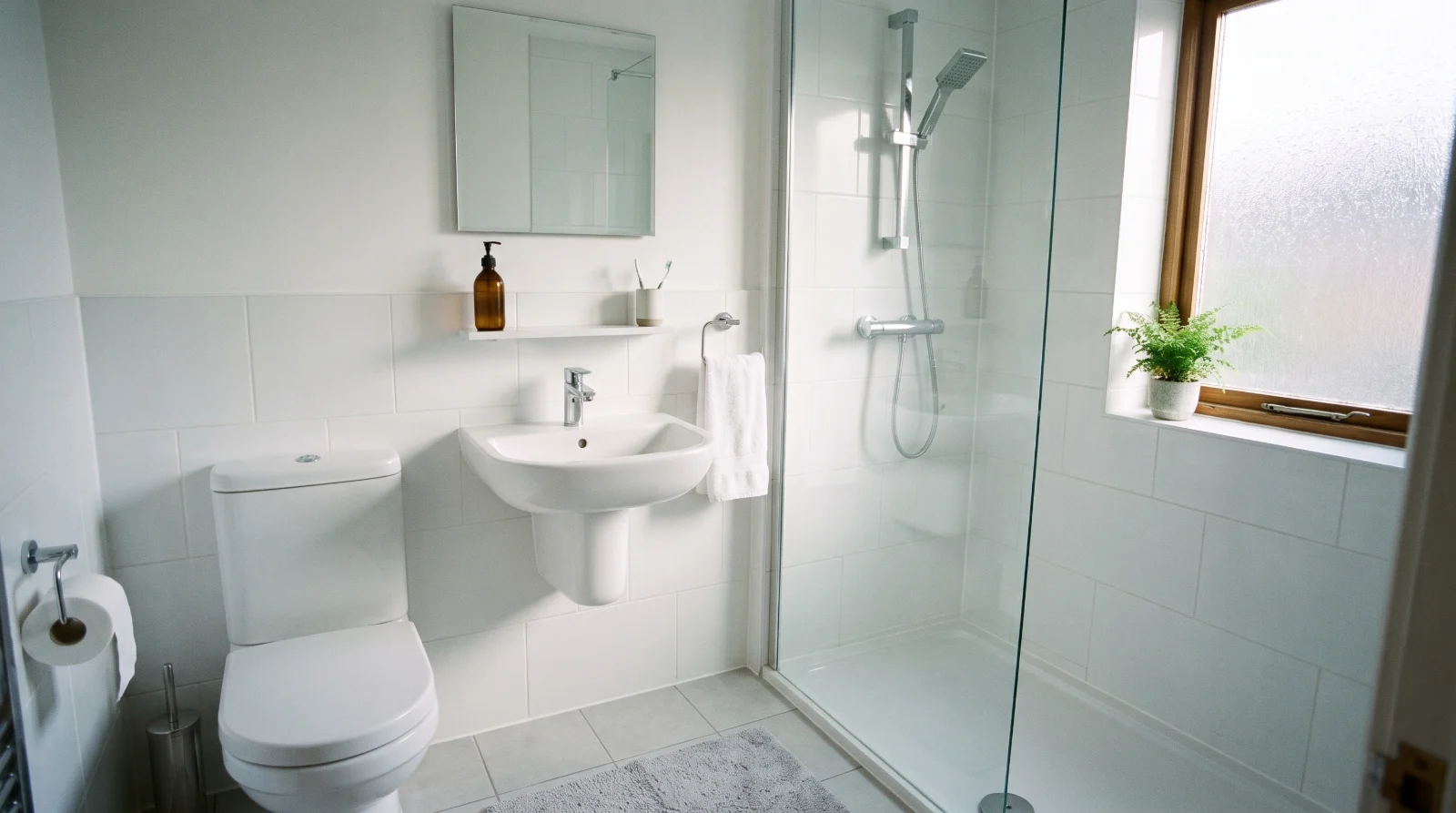
Dual flush toilets, efficient showerheads and aerated taps can cut household water use without sacrificing comfort.
Rainwater and Greywater: Done Safely
Water butts are the simplest way to harvest rain for gardens. Larger rainwater harvesting systems can supply toilets and washing machines, and greywater systems can reuse water from baths and basins. These systems must be installed correctly so that non drinking water can never contaminate the mains supply. In the UK, the Water Supply (Water Fittings) Regulations and Scottish Water byelaws set rules for backflow prevention and pipe labeling, and installers may need to notify the water company before work begins. A qualified plumber who understands backflow prevention is essential.
Warning: Beware Drought Gadgets and Cowboys
Droughts bring a wave of products and pitches. Some water saving gadgets are excellent; others promise unrealistic savings. Be skeptical of devices claiming to cut bills dramatically, of salespeople knocking on doors claiming to work for your water company and of unqualified installers fitting rainwater or greywater systems without proper backflow protection. Check credentials, ask your water company directly about any scheme and read reviews before you buy. The UK debate over plumbing qualifications, covered in our article on whether every plumber should need a licence, shows why choosing a qualified professional matters.
Everyday Habits That Make a Difference
Small changes add up across millions of homes. Turn off the tap while brushing teeth. Run dishwashers and washing machines only when full. Keep a jug of cold water in the fridge rather than running the tap. Water gardens in the cool of the morning or evening with a watering can, and let lawns go brown; they recover when rain returns. Use a bucket and sponge to wash the car, or skip it. Collect the cold water that runs before the shower warms up and use it for plants.
Should You Get a Water Meter?
Many UK homes still pay unmetered charges based on property value. Switching to a meter can reduce bills for smaller households and gives you a powerful tool for spotting leaks, since you can see exactly how much water you use. In some water stressed regions, companies are rolling out compulsory metering. Smart meters that report usage frequently can even alert you to continuous flow that suggests a leak. If you are considering a meter, ask your water company whether you can switch back within a set period if it does not suit you, and use the meter reading test described above every few months.
Preparing Your Home for the Next Dry Summer
Climate scientists and water companies expect hot, dry summers to become more frequent, so it pays to prepare during the cooler months. Install one or two water butts on downpipes before spring rains. Mulch garden beds to keep moisture in the soil, and choose drought tolerant plants. Book a plumber to check for hidden leaks, service toilet valves and fit efficient showerheads and tap aerators. Insulate exposed pipes while you are at it, which protects them from winter freezes too. A little work in autumn and winter means less stress and lower bills when the next heatwave arrives.
Drought Is a Global Lesson
Britain is not alone. In recent years, droughts and water restrictions have affected parts of Europe, Australia, South Africa, the western United States and beyond. Plumbing standards differ from country to country, as we explored in is plumbing the same around the world, but the solutions are similar everywhere: fix leaks, choose efficient fixtures, reuse water safely and plan ahead. Plumbers are central to all of them.
A Thank You to British Plumbers
Throughout the summer, plumbers across Britain answered calls to fix leaking toilets, replace failing supply pipes, install water butts and upgrade fixtures, helping families cut waste while staying comfortable. Many also supported water companies with leak repairs on customer pipes. We are proud to celebrate their work.
How Best Plumbers Helps
Best Plumbers has been the Internet's original plumbing directory since July 12, 2002, serving readers worldwide, including across the United Kingdom. We list every plumbing company and every review, good and bad, and our Best Plumbers Recommended seal marks those we trust most. We never sell leads. Find a trusted plumber through our locations directory, and read the reviews before you hire.
The Bottom Line
The 2026 drought showed that even rainy Britain can run short of water. Hosepipe bans helped protect supplies, but the lasting answer lies in fixing leaks on both sides of the meter, upgrading wasteful fixtures and harvesting and reusing water safely. Check your home for leaks, consider a water efficiency upgrade and work with a qualified plumber. Every litre saved helps.
Frequently Asked Questions About the UK Hosepipe Bans
1. What is a hosepipe ban?
Officially called a Temporary Use Ban, it restricts using a mains hosepipe for activities like garden watering and car washing during drought.
2. Which water companies imposed hosepipe bans in 2026?
Water UK listed Affinity, Anglian, Bristol, Cambridge, Essex and Suffolk, Southern, South East, South West, Thames and Wessex Water.
3. When did the Thames Water hosepipe ban start?
It came into force on July 23, 2026, for its roughly 10 million supply customers.
4. Why was the Wessex Water ban notable?
It was the first hosepipe ban in the Wessex region in 50 years, since the drought of 1976.
5. How many people were affected by hosepipe bans?
At one point, more than 27 million people in England had hosepipe use restricted.
6. Can I be fined for breaking a hosepipe ban?
Yes. Under the Water Industry Act, fines can reach 1,000 pounds, though companies usually focus on education.
7. Can I still water my garden during a hosepipe ban?
Usually yes, with a watering can, water butt or greywater. Check your water company's exemptions.
8. Are there exemptions for disabled people?
Many bans include exemptions for certain disabilities and medical needs. Check your supplier's notice.
9. How do I check my home for leaks?
Turn off all water, read your meter, wait an hour and read it again. Movement suggests a leak.
10. How can I tell if my toilet is leaking?
Put toilet paper on the dry back of the pan or add food coloring to the cistern. Moisture or color without flushing indicates a leak.
11. Who is responsible for a leaking supply pipe?
Usually the homeowner, for the pipe on their property, though some water companies offer free or discounted repairs.
12. Do dual flush toilets really save water?
Yes. They use significantly less water per flush than older single flush toilets.
13. Are water efficient showerheads worth it?
Good models provide a comfortable shower with less water and energy, especially combined with shorter showers.
14. Can I use rainwater to flush toilets?
Yes, with a properly installed rainwater harvesting system that includes backflow protection and meets regulations.
15. Do I need permission for a greywater system?
You may need to notify your water company, and the system must meet water fittings regulations.
16. Why do water companies lose so much water to leaks?
Aging pipes, ground movement and pressure changes cause leaks across vast networks that are complex to repair.
17. Is it fair to impose bans while companies leak water?
Critics say no and want faster leak reduction. Companies point to repair efforts and the difficulty of replacing old mains.
18. How long do hosepipe bans last?
Until water resources recover, which can take months and may depend on autumn and winter rainfall.
19. Does high water pressure waste water?
It can. A pressure reducing valve protects pipes and cuts waste where pressure is too high.
20. What are the easiest ways to save water at home?
Fix leaks, run full loads, take shorter showers, turn off taps when brushing and use a watering can.
21. Are water saving gadgets worth buying?
Some are. Be wary of exaggerated claims and check reviews before buying.
22. How do I avoid drought scams?
Verify credentials, confirm any water company affiliation directly and use qualified, reviewed plumbers.
23. Do other countries have hosepipe bans?
Yes. Water restrictions are common during droughts in Australia, South Africa, Europe and parts of North America.
24. How do I find a qualified plumber in the UK?
Search Best Plumbers, read every review, look for the Best Plumbers Recommended seal and check qualifications.
25. Why does Best Plumbers cover UK water news?
Since 2002, Best Plumbers has served readers worldwide, including many in the UK, with trusted plumbing information.
Sources
Water UK, Hosepipe bans FAQs. Thames Water, Temporary Use Ban announcement. Irish News, Wessex Water hosepipe ban. ITV News, Hosepipe bans: what you need to know.

