
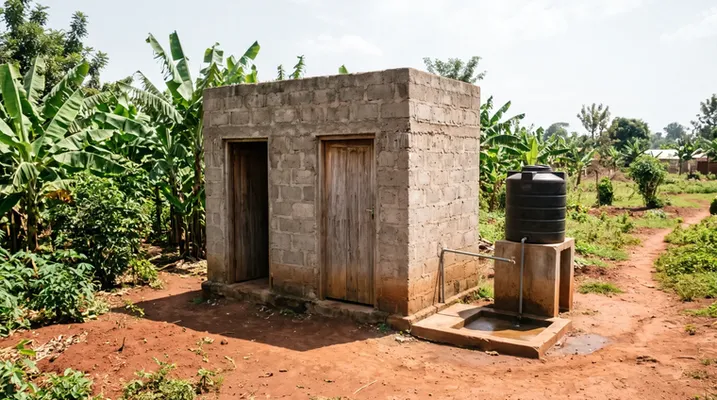
On November 19, 2026, the world marked World Toilet Day under the theme Safe toilets. Equal futures., a campaign focused on the link between sanitation and gender equality. According to the United Nations, 3.4 billion people, nearly half the world’s population, still live without safely managed sanitation, and the World Health Organization estimates that about 1.4 million people die each year because of inadequate water, sanitation and hygiene. Yet there is real progress to celebrate: since 2015, about 1.2 billion people have gained access to safe toilets. The 2026 campaign, led by UN-Water with UNICEF and WHO, highlights how the lack of safe, private toilets falls hardest on women and girls. For a plumbing directory, there is no more important story. Toilets are plumbing, and plumbing is public health.
By the Best Plumbers Editorial Team. Published November 22, 2026.
We have long argued that plumbers have saved more lives than doctors. Clean water and safe sanitation did more to end cholera, typhoid and child deaths from diarrheal disease in wealthy countries than almost any medical breakthrough. World Toilet Day is a yearly reminder that billions of people are still waiting for that revolution.
What World Toilet Day Is
World Toilet Day began in 2001, founded by the World Toilet Organization, and became an official United Nations observance in 2013. Each year, UN-Water selects a theme and coordinates a global campaign with governments, charities, companies and communities. In 2025, the campaign reached billions of social media accounts. The day exists because toilets are easy to joke about and easy to ignore, and the consequences of ignoring them are deadly. Campaigners use humor, art and events to start conversations that lead to real investment, and the approach works: sanitation now features far more prominently in global development plans than it did twenty years ago.
A Short History of the Toilet
People have been trying to solve sanitation for thousands of years. The cities of the Indus Valley built drains and private latrines more than 4,000 years ago. Ancient Rome had public latrines and great sewers like the Cloaca Maxima. Then much of that knowledge faded, and for centuries cities in Europe dumped waste into streets and rivers. The flush toilet was patented in the late 1700s, but it was the Great Stink of London in 1858, when the Thames reeked so badly that Parliament could barely meet, that pushed governments to build modern sewer systems. Combined with the discovery that cholera spread through contaminated water, those sewers transformed public health. Life expectancy in industrial cities rose dramatically. The tools changed, but the lesson has not: when waste is safely separated from people, communities thrive.
The 2026 Theme: Sanitation and Gender Equality
Everyone suffers without safe toilets, but women and girls face particular burdens. Without a private, safe toilet, women may wait until dark to relieve themselves, exposing them to harassment and violence. Girls may miss school during menstruation if schools lack private toilets with water and disposal options. Women who are pregnant or caring for young children face added health risks. Women also do much of the unpaid work of fetching water and caring for family members sickened by poor sanitation. The UN’s 2026 World Water Development Report, titled Water for All People: Equal Rights and Opportunities, explores how gender inequality shapes the water and sanitation crisis and calls for gender responsive solutions. The theme asks governments and organizations to design sanitation with women and girls at the table, from site selection and lighting to menstrual hygiene facilities.
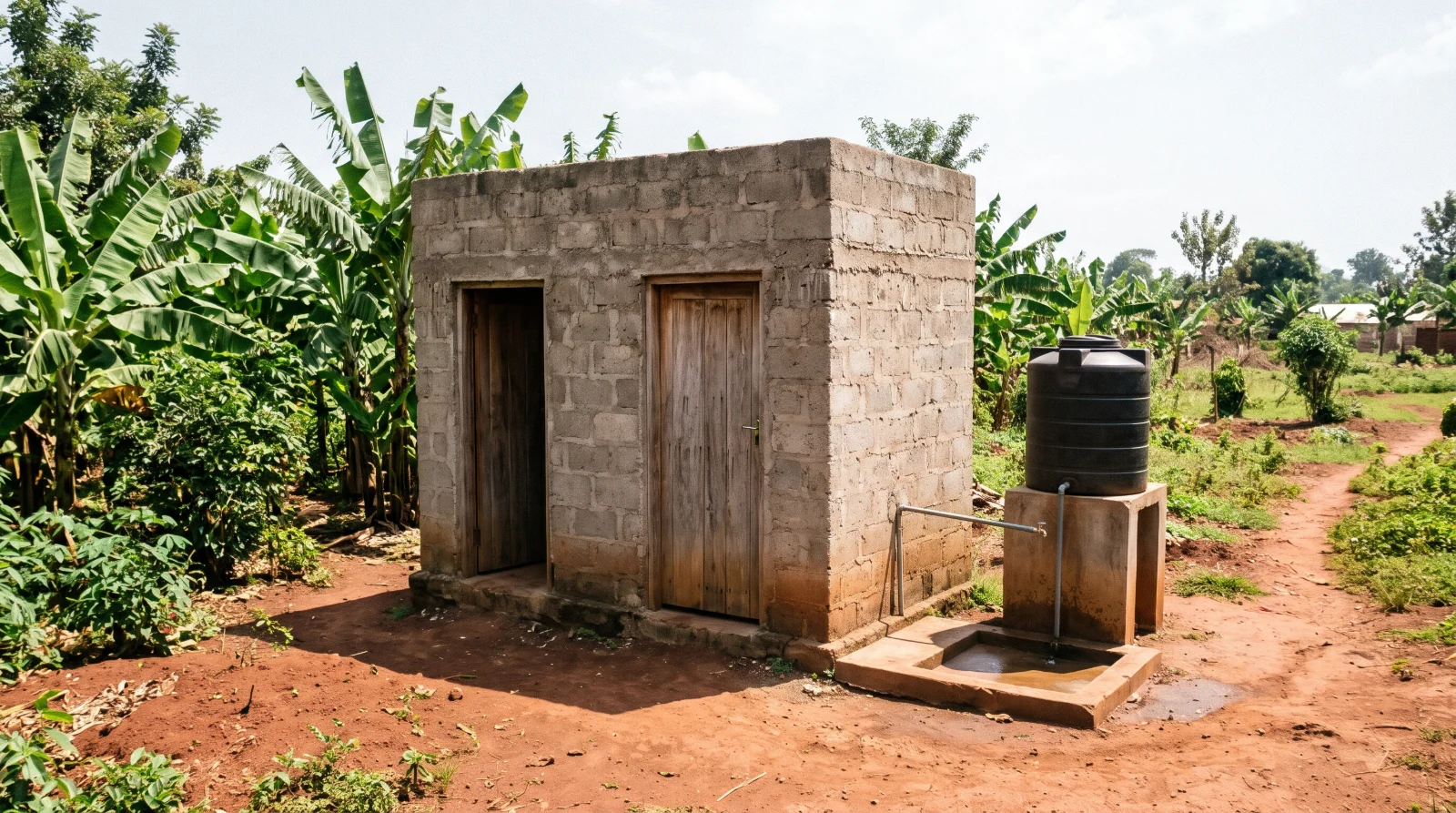
Well designed community sanitation facilities with handwashing stations transform health, safety and dignity.
The Numbers
According to UN and WHO figures, about 3.4 billion people lack safely managed sanitation, meaning a private toilet that safely separates waste from human contact and treats or disposes of it safely. Around 1.7 billion people lack basic hygiene services, such as a place to wash hands with soap and water, at home. Hundreds of millions still practice open defecation. Each year, about 1.4 million deaths are attributed to unsafe water, sanitation and hygiene, many of them young children with diarrheal disease. On the hopeful side, about 1.2 billion people gained safe toilets and about 1.6 billion gained basic hygiene services between 2015 and recent years. The goal, part of the UN Sustainable Development Goal 6 adopted by every member state in 2015, is safe water and sanitation for everyone by 2030. At current rates, the world is behind, but the progress shows what is possible.
What Safe Sanitation Actually Requires
A toilet is only the visible part. Safe sanitation is a chain: a well built toilet, a safe way to contain or convey waste, through a sewer or a properly designed septic tank or pit, regular emptying or treatment and safe disposal or reuse. Breaks anywhere in the chain put people at risk. A flush toilet connected to a broken sewer that dumps into a river is not safe sanitation. Neither is a pit latrine that floods into wells. Plumbers, masons, engineers and sanitation workers make every link work, and when any one of them is missing, the whole chain can fail quietly until people start getting sick. In wealthy countries we see this chain in our own homes, through properly installed toilets, drain lines and septic systems or municipal sewers. In many places, building that chain is the work of a generation.

Local tradespeople build and maintain sanitation systems, creating jobs as well as healthier communities.
Success Stories
Progress is real. India’s national sanitation campaigns built tens of millions of household toilets, and its drinking water mission connected over a hundred million rural homes to taps, as we reported in our Jal Jeevan Mission story. Countries across Asia, Africa and Latin America have dramatically reduced open defecation through community led programs that combine toilet construction with behavior change. City utilities from Kampala to Dhaka are improving fecal sludge management for neighborhoods without sewers. Global gatherings like the 2026 UN Water Conference have kept sanitation on the agenda. Each of these efforts depends on trained local tradespeople.
Challenges That Remain
Funding falls short of what is needed. Rapid urban growth outpaces sewers and treatment plants. Climate change brings floods that overwhelm latrines and droughts that strain water supplies. Even in middle income cities, aging infrastructure fails, as residents of Durban learned during long outages we covered in our Durban report. Sanitation workers who empty pits and septic tanks often work in dangerous conditions without protective equipment or fair pay. And in many places, toilets are built but not maintained, falling into disrepair within a few years. Sustainable sanitation needs ongoing funding, skilled workers and community ownership.
Innovation in Sanitation
Not every community can afford a conventional sewer and treatment plant, so engineers have developed alternatives. Container based sanitation services collect waste from sealed household toilets and process it safely. Reinvented toilets that treat waste onsite without sewers or external power have been tested in several countries. Simplified sewers, built shallower and smaller, cost far less than conventional systems in dense neighborhoods. Treatment plants increasingly recover energy, nutrients and water from waste, turning a cost into a resource. Mobile apps help utilities schedule pit emptying and track sludge so it is not dumped illegally. These innovations matter, but they all still depend on skilled people to build, operate and maintain them.
Sanitation Gaps in Wealthy Countries Too
It would be a mistake to think safe sanitation is only a problem elsewhere. In the United States, studies have found hundreds of thousands of households lack complete plumbing, concentrated in rural areas, tribal lands, colonias along the US Mexico border and parts of Appalachia and the Black Belt of Alabama, where failing septic systems and straight pipes discharge sewage into yards. Homeless populations in major cities often lack reliable toilet access. Similar gaps exist in remote communities in Canada, Australia and elsewhere. These are solvable problems, and plumbers and public health advocates are working on them.
Why Schools and Workplaces Matter
Sanitation is not only about homes. Schools without separate, private toilets for girls see higher absenteeism, especially among adolescent girls. Workplaces without adequate toilets force workers, often women in agriculture, markets and factories, to limit drinking water during the day, risking dehydration and urinary infections. Health clinics without reliable water and toilets struggle to prevent infections during childbirth and treatment. The 2026 campaign calls attention to these institutional gaps because fixing them reaches large numbers of people at once. In wealthy countries, we see related issues too: public restrooms that close at night, inaccessible facilities for people with disabilities and a lack of baby changing and adult changing stations. Good sanitation design considers everyone who will use it.
The Economic Case
Sanitation is not charity alone; it is one of the best investments a society can make. International studies have long found that every dollar invested in sanitation returns several dollars in benefits through lower health costs, fewer lost workdays and school days and time saved. Healthier children grow into more productive adults. Cleaner rivers support fisheries and tourism. Sanitation construction and maintenance create local jobs for plumbers, masons and operators. The economic case is strong, and it grows stronger as cities expand.
How Plumbers Make a Difference
Plumbers around the world contribute in many ways. They volunteer with charities that build sanitation in developing countries and in underserved communities at home. Industry groups train local plumbers abroad so systems can be maintained after volunteers leave. Some plumbing associations run programs that bring plumbing to homes without it. And every day, ordinary plumbers keep the toilets in our homes, schools and hospitals working safely, which is its own form of public health work. Our plumbing associations page lists organizations doing this work.
What You Can Do
Take care of your own sanitation. Keep your toilets, drains and septic system in good working order. A running toilet wastes water; a cracked one can leak sewage. Professional toilet installation or repair keeps your home safe.
Think accessibility. When remodeling, consider comfort height toilets, grab bars and accessible layouts that serve everyone, including aging family members. Thoughtful bathroom remodeling makes homes safer and more inclusive.
Support sanitation charities. Many reputable organizations build toilets and train local workers. Research charities carefully and favor those that emphasize local ownership and long term maintenance.
Respect the system. Flush only the three Ps, keep wipes and grease out and support investment in your community’s sewers and treatment plants.
Consider a career. The world needs more plumbers. Explore opportunities on our plumbing jobs page.
A Salute to Sanitation Workers
Behind every working toilet is a chain of people most of us never think about: the plumbers who install them, the sewer crews who keep waste moving, the treatment plant operators who clean it and the sanitation workers who empty pits and tanks where there are no sewers. Their work is essential and too often undervalued, and in much of the world it is dangerous. On World Toilet Day and every day, we honor them.
Our Take
We are optimistic. More than a billion people have gained safe toilets in a decade, proof that the problem is solvable. The 2026 focus on women and girls is exactly right, because sanitation designed for everyone works better for everyone. Plumbing is one of humanity’s greatest achievements, and spreading it to every person on Earth is one of the most worthwhile goals there is. We are proud to be part of the profession that makes it happen.
How Best Plumbers Helps
Best Plumbers has been the Internet’s original plumbing directory since July 12, 2002, and the most trusted, serving people in the United States, Canada, the United Kingdom, Ireland, Australia, New Zealand and South Africa. We list every plumbing company and show every review, good and bad, and our Best Plumbers Recommended seal marks those we trust most. We never sell leads. Find plumbers through our locations directory and read the reviews. To learn how sanitation differs worldwide, read is plumbing the same around the world.
The Short Version
World Toilet Day 2026, themed Safe toilets. Equal futures., focused on sanitation and gender equality. About 3.4 billion people lack safely managed sanitation, and about 1.4 million die each year from unsafe water, sanitation and hygiene. Since 2015, about 1.2 billion people gained safe toilets. Safe sanitation requires a complete chain from toilet to treatment, built and maintained by skilled workers. Maintain your own plumbing, support sanitation charities and celebrate the people who make it all work.
Frequently Asked Questions About World Toilet Day
1. When is World Toilet Day?
Every year on November 19.
2. What was the 2026 theme?
Safe toilets. Equal futures., focused on sanitation and gender equality.
3. Who leads the campaign?
UN-Water, with UNICEF and WHO coordinating the 2026 campaign.
4. When did World Toilet Day begin?
In 2001, becoming an official UN day in 2013.
5. How many people lack safe sanitation?
About 3.4 billion, according to the UN.
6. How many die from unsafe WASH each year?
About 1.4 million, according to WHO.
7. How many people gained safe toilets since 2015?
About 1.2 billion.
8. Why focus on gender?
Women and girls face added safety, health and education burdens without safe toilets.
9. What is safely managed sanitation?
A private toilet that safely contains, treats or disposes of waste.
10. What is open defecation?
Relieving oneself outdoors without a toilet, still practiced by hundreds of millions.
11. What is SDG 6?
The UN goal of water and sanitation for all by 2030.
12. Is the world on track?
Not yet, though progress has been significant.
13. Do wealthy countries have sanitation gaps?
Yes, in some rural, tribal and low income areas.
14. What is the sanitation chain?
Toilet, containment, emptying or conveyance, treatment and safe disposal.
15. Why do girls miss school?
Often due to lack of private toilets and menstrual hygiene facilities.
16. How do plumbers help globally?
Through volunteering, training local workers and building systems.
17. Are sanitation workers at risk?
Yes, many work in dangerous conditions without protection.
18. How can I help?
Support reputable charities and maintain your own plumbing.
19. What should I flush?
Only pee, poo and toilet paper.
20. Why does accessibility matter?
Accessible bathrooms serve aging and disabled family members safely.
21. Is plumbing really public health?
Yes, sanitation has saved countless lives.
22. Does climate change affect sanitation?
Yes, floods and droughts strain sanitation systems.
23. Are there plumbing careers in sanitation?
Yes, worldwide demand for skilled workers is high.
24. How do I find a trusted plumber?
Search Best Plumbers, read every review, look for the Best Plumbers Recommended seal and verify licensing.
25. Why does Best Plumbers cover World Toilet Day?
Since 2002, we have championed plumbing as one of humanity’s greatest public health achievements.
Sources
United Nations, World Toilet Day and World Water Development Report 2026. World Health Organization, protecting health through safe sanitation. Geneva Environment Network, World Toilet Day 2026. WAMC, World Toilet Day coverage.

