
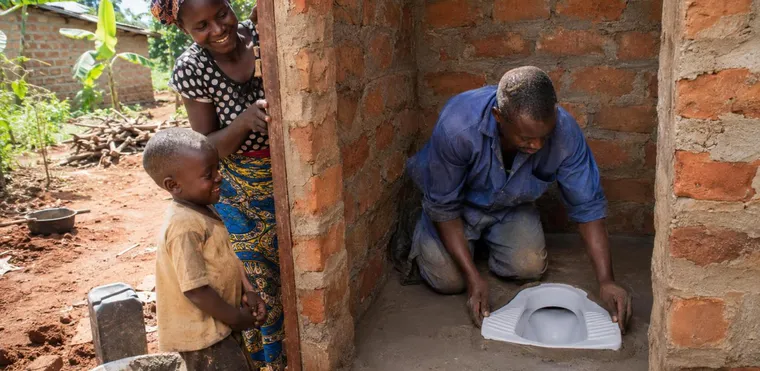
About 3.4 billion people around the world still lack safely managed sanitation. That staggering number is the backdrop to a new pledge from LIXIL, the Japanese maker of water and housing products behind brands such as GROHE, American Standard and INAX. According to PHCP Pros on November 20, 2026, LIXIL has committed to improving sanitation and hygiene for 100 million more people by the fiscal year ending March 2031. The company has already passed the 100 million mark through SATO, its social business that designs simple, affordable toilet pans for communities without sewers. Now it is expanding into humanitarian crisis settings, partnering with the UN Development Programme in Sudan and with the Japan International Cooperation Agency in Kenya and Malawi.
At Best Plumbers, we often say that plumbers protect the health of the nation. This story is a reminder that plumbing protects the health of the entire world. Clean water and safe sanitation have saved more lives than almost any medical breakthrough, and the fight to bring them to everyone is one of the great humanitarian causes of our time.
The Pledge in Detail
According to the report, LIXIL's new commitment includes several initiatives:
- SATO expansion: SATO, which powered LIXIL's first 100 million milestone, is moving into humanitarian crisis settings in addition to its established markets.
- Sanitation economies: LIXIL is promoting locally owned, self-sustaining sanitation systems designed to bridge the gap between emergency relief and long-term service.
- Sudan: An emergency displacement support initiative in Blue Nile State with the UN Development Programme, launched in August 2026.
- Kenya: Under a memorandum of understanding with JICA, market-based water, sanitation and hygiene services for refugees and host communities around the Kakuma refugee camp, aligned with the Kenyan government's Shirika Plan.
- Malawi: Climate-resilient sanitation solutions built to withstand prolonged flooding.
- Japan disaster response: Resilient toilets that can flush hygienically with as little as one liter of water when supply is cut off, mobile sanitary equipment coordinated with municipalities, and withCUBE, a mobile toilet originally built for emergency relief.
JICA president Akihiko Tanaka observed that infrastructure alone does not sustain hygiene practices, and described the partnership as combining JICA's institutional and government work with LIXIL's product development and market expertise. A documentary about the program, "A Place of One's Own," directed by Oliver Couch, follows local masons, entrepreneurs and families taking ownership of their sanitation, and won the 2026 Film Award at the Big Syn International Film Festival in London.
How a Simple Pan Changes Lives
The SATO pan is a brilliant example of plumbing engineering applied to the real world. In many communities without sewers or piped water, people use pit latrines, which are often open holes in a concrete slab. Open pits release odors, attract flies that spread disease and can be unsafe for children. The SATO pan fits into the latrine slab and uses a simple counterweighted trap door. When water is poured in after use, the weight of the water and waste opens the trap and it closes again automatically, sealing off the pit. According to the report, it seals in odors and insects using less than one liter of water.
That simple seal makes latrines cleaner, safer and more pleasant to use, which encourages people to use them consistently. Consistent use is what breaks the cycle of disease transmission. It is the same principle behind the trap under every sink and toilet in your home: a water seal that keeps sewer gases and pests out of living spaces. Our plumbing glossary explains traps and other basics.
Why Sanitation Matters So Much
When human waste is not safely contained, it contaminates water, soil and food. Diseases such as cholera, typhoid, dysentery and diarrheal illnesses spread quickly, especially among children. Cholera alone killed thousands of people in 2026, as we reported in cholera killed more than 3,000 people in 2026 so far. Lack of private, safe toilets also affects dignity and safety, particularly for women and girls, and keeps many children out of school.
The solutions are not mysterious. They are plumbing: safe toilets, proper containment, treatment of waste, clean water for handwashing and the skilled people to build and maintain it all. That is why we believe plumbers deserve to be recognized as frontline public health workers. We made that case in plumbers have saved more lives than doctors.
Engineering for the Real World
What makes products like the SATO pan so impressive is that they are designed around real constraints. Many communities have little or no piped water, so the device must work with a small pour of water. Many families have very limited income, so it must be affordable. Many locations lack trained plumbers and spare parts, so it must be simple, durable and easy for local masons to install. And it must fit cultural preferences, which vary from place to place, including whether people sit or squat and how they clean themselves.
Designing within those limits is a different kind of engineering challenge from designing a luxury toilet with a heated seat and a bidet wand, but in many ways it is harder and more important. The best plumbing engineers in the world are increasingly turning their attention to these problems, and the results are saving lives.
Lessons for water efficiency everywhere
Toilets that flush with a liter of water also carry lessons for wealthy countries facing droughts and rising water bills. In many homes, toilets are among the biggest users of indoor water. Older toilets used far more water per flush than modern high-efficiency models. Upgrading an old toilet is one of the simplest ways to save water, and in some places utilities offer rebates. Explore options on our plumbing rebates page and our water conservation tips.
Dignity, Safety and Education
Sanitation is not only about disease. It is also about dignity and safety. Without private toilets, many people, especially women and girls, must relieve themselves in the open, often at night, which exposes them to harassment and violence. Girls may miss school during menstruation if schools lack private, clean facilities. Displaced families in refugee camps face these risks every day. Programs that bring safe, private toilets to homes, schools and camps change lives in ways that go far beyond health statistics.
Sanitation When Disaster Strikes
LIXIL's work in Japan highlights a point that applies everywhere: sanitation is fragile when disasters hit. After earthquakes, floods, hurricanes or prolonged water outages, toilets may stop working within hours. Sewers can back up, water mains can break and treatment plants can fail. In those moments, sanitation quickly becomes a public health emergency, even in wealthy countries.
That is why resilient toilets that flush with a liter of water, and mobile sanitary units that can be deployed to shelters, are so valuable. They keep people safe while infrastructure is restored. Families can prepare too. Our guidance on what to do during a boil water advisory and our story on how a small town's water system was crippled by flooding show how quickly ordinary plumbing can be disrupted.
A simple home sanitation preparedness plan
- Store drinking water: a common guideline is about one gallon, or roughly four liters, per person per day for several days.
- Keep extra water for flushing. A toilet can be flushed by pouring a bucket of water into the bowl if the tank cannot refill.
- Know how to shut off your main water valve and, if you have gas, your gas meter.
- Keep heavy-duty bags, absorbent material and disinfectant for an emergency toilet if sewers back up or water is unavailable.
- If your home is prone to sewer backups, ask a plumber about a backwater valve.
Our pages on plumbing emergencies and sewer line repair have more advice.
The Bigger Global Picture
We marked World Toilet Day earlier this month with articles on the 3.4 billion people still waiting for safe sanitation and why the humble toilet is still the greatest lifesaver on earth. The United Nations' Sustainable Development Goal 6 aims for universal access to safe water and sanitation by 2030, a target the world is not on track to meet. Corporate commitments like LIXIL's do not replace government investment and public utilities, but they can bring innovation, affordable products and market-based approaches that help progress go further and faster.
Africa faces some of the biggest challenges, compounded by droughts, floods and rapid urban growth. We have reported on related struggles, including Kenya's non-revenue water problem and southern Africa's drought. Climate-resilient designs, like the flood-resistant solutions planned for Malawi, are increasingly essential.
Local Masons and Entrepreneurs at the Center
One of the most encouraging aspects of LIXIL's approach is its focus on local people. Rather than simply donating products, programs like SATO train local masons to build latrines and support entrepreneurs who sell and install sanitation products. That creates jobs, builds skills and makes sanitation sustainable because the community owns it. It is the same idea that powers the plumbing trade everywhere: skilled local people serving their neighbors.
In many ways, those masons are doing what plumbers did in Europe and North America more than a century ago, when sanitation revolutions transformed public health in growing cities. You can read about that history in our history of plumbing and our feature on the invention of the water closet.
What This Means at Home
For readers in countries with reliable plumbing, this story is a chance to appreciate what we often take for granted. The toilet in your bathroom, the trap under your sink and the sewer line under your yard all work together to protect your family's health every single day. Keeping them working properly is worth the investment:
- Fix running toilets promptly. They waste a surprising amount of water.
- Do not flush wipes, even those labeled flushable. They clog pipes, pumps and treatment plants.
- Watch for slow drains, gurgling and sewer odors, which can signal venting or sewer line problems.
- Have older sewer lines inspected with a camera before problems become emergencies. Learn more about video pipe inspection.
Reasons for Optimism
It is easy to be overwhelmed by the scale of the sanitation challenge, but progress is real. Over the past few decades, hundreds of millions of people have gained access to basic sanitation. Open defecation has declined significantly in many countries thanks to national campaigns, community programs and affordable products. Innovations in low-cost toilets, container-based sanitation and decentralized treatment are spreading. And companies, governments, aid agencies and local entrepreneurs are increasingly working together rather than separately. LIXIL's pledge, with its partnerships with UNDP and JICA, is a good example of that collaboration. Every latrine built, every pan installed and every mason trained moves the world a little closer to safe sanitation for everyone.
How Plumbers and Readers Can Help
Plumbers have a long tradition of giving back. Many volunteer through charities that build water and sanitation systems abroad, and others support local efforts that repair plumbing for low-income families and seniors at home. Organizations such as Habitat for Humanity regularly welcome skilled tradespeople. If you are a plumber, your skills are among the most valuable a volunteer can offer. If you are a homeowner, supporting reputable water and sanitation charities is one of the most effective ways to improve lives, because the health returns on clean water and toilets are so high.
Even small actions help. Talking with your children about why toilets and clean water matter, thanking the plumbers and water workers in your community and supporting investment in local water and sewer infrastructure all strengthen the systems that keep everyone healthy. Our page on how to thank a plumber has a few ideas.
Our Take
We applaud LIXIL for its commitment and for the practical, community-centered way it pursues it. Reaching 100 million more people with safe sanitation would be a remarkable achievement, and every one of those people represents a family with a better chance at health, dignity and opportunity. Plumbing, in its simplest form, is changing the world.
At home, Best Plumbers is here to help you keep your own sanitation systems working. Find trusted plumbers near you for toilets, drains, sewer lines and everything in between.
Frequently Asked Questions About LIXIL, SATO and the Global Sanitation Challenge
1. What did LIXIL pledge?
To improve sanitation and hygiene for 100 million more people by the fiscal year ending March 2031.
2. How many people lack safe sanitation?
About 3.4 billion people lack safely managed sanitation, according to the report.
3. What is SATO?
LIXIL's social business that makes affordable toilet pans for communities without sewers.
4. How many people has SATO served?
LIXIL previously announced passing 100 million people served through SATO.
5. How does a SATO pan work?
A counterweighted trap door opens when water is poured in and closes automatically, sealing odors and insects.
6. How much water does a SATO pan use?
Less than one liter, according to the report.
7. Where is LIXIL working in Africa?
In Sudan with UNDP, and in Kenya and Malawi with JICA.
8. What is the Kakuma initiative?
Market-based water, sanitation and hygiene services for refugees and host communities around Kakuma refugee camp in Kenya.
9. What is the Shirika Plan?
A Kenyan government plan for integrating refugees and host communities, which the initiative aligns with.
10. What are resilient toilets?
Toilets that can flush hygienically with as little as one liter of water when supply is cut off.
11. What is withCUBE?
A mobile toilet originally built for emergency relief, now expanding to industrial sites.
12. Who is JICA?
The Japan International Cooperation Agency, Japan's development aid organization.
13. What is a sanitation economy?
A locally owned, self-sustaining system of sanitation products and services.
14. What film documents the program?
A Place of One's Own, directed by Oliver Couch, which won a 2026 Film Award at the Big Syn International Film Festival.
15. Why does sanitation prevent disease?
Containing human waste prevents contamination of water, soil and food that spreads illness.
16. What diseases spread through poor sanitation?
Cholera, typhoid, dysentery and other diarrheal diseases.
17. How does sanitation affect girls' education?
Lack of private, safe toilets can keep girls out of school.
18. What is a trap in plumbing?
A water seal that blocks sewer gases and pests from entering living spaces.
19. Is this related to the toilet in my home?
Yes. The same water-seal principle protects homes everywhere.
20. What brands does LIXIL own?
Brands including GROHE, American Standard and INAX.
21. How can plumbers help global sanitation?
Through volunteering, supporting charities and sharing skills with community programs.
22. Do disasters affect sanitation in developed countries?
Yes. Earthquakes, floods and water outages can disrupt toilets and sewers anywhere.
23. How can I prepare my home's sanitation for a disaster?
Store water, know how to shut off water and gas, and have a backup sanitation plan.
24. Why is the plumbing industry involved in humanitarian work?
Because safe water and sanitation are plumbing at their core and save lives.
25. How do I find a plumber for my home's toilets and drains?
Use Best Plumbers to find licensed, well-reviewed plumbers near you.

