
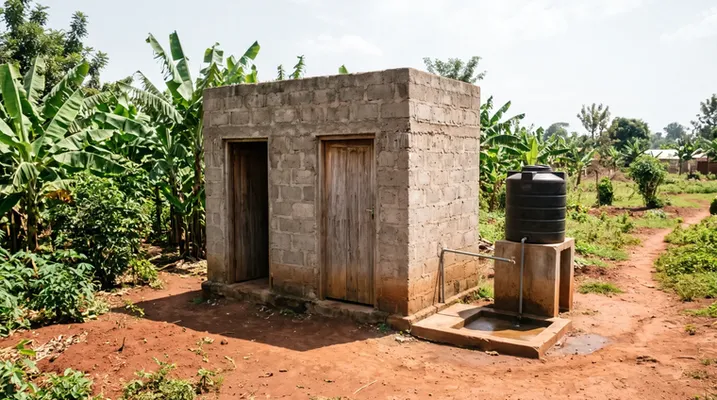
World Toilet Day, held every year on November 19, put a spotlight this week on one of the most important and least glamorous inventions in human history. The 2026 campaign, called Safe toilets. Equal futures., focused on the link between sanitation and gender equality. According to UN-Water, about 3.4 billion people still live without a safe toilet. For plumbers, this is a reminder of why their work matters so much, and for the rest of us, it is a reason to appreciate, protect and maintain the sanitation we often take for granted.
By the Best Plumbers Editorial Team. Published November 22, 2026.
It is easy to joke about a day dedicated to toilets, and even the people who founded it have a sense of humor about it. But the purpose is deadly serious. Poor sanitation spreads disease, contaminates water, keeps children out of school and puts women and girls at risk. Safe toilets, connected to working sewers or properly designed septic systems, are one of the main reasons people in much of the world live longer, healthier lives than their great grandparents did.
At Best Plumbers, we have long argued that plumbers have saved more lives than almost any other profession, and we made that case in our piece on why plumbers have saved more lives than doctors. World Toilet Day is a perfect moment to honor that legacy.
What World Toilet Day Is
World Toilet Day began in 2001, when the World Toilet Organization was founded in Singapore by philanthropist Jack Sim on November 19. In 2013, the United Nations General Assembly made it an official UN observance. Each year, UN-Water, the United Nations body that coordinates work on water and sanitation, sets a theme. The goal is to inspire action toward Sustainable Development Goal 6, which calls for water and sanitation for all by 2030.
The 2026 campaign, Safe toilets. Equal futures., was led by the UN-Water Expert Group on water, sanitation and hygiene and co-coordinated by UNICEF and the World Health Organization. It focused on how the lack of safe, private toilets affects women and girls in particular, from health and safety to education and employment. As NPR noted in its coverage this year, everyone suffers without a toilet, but menstruation creates additional challenges that make safe facilities especially important.
The Scale of the Problem
UN-Water says about 3.4 billion people still live without a safe toilet. That includes people who rely on shared or unsafe facilities, pit latrines that contaminate groundwater, or open defecation. When human waste is not safely contained and treated, it spreads diseases such as cholera, typhoid and diarrheal illnesses that remain major killers of young children in parts of the world.
The consequences reach beyond health. Girls may skip school when there are no private, safe toilets. Women may face harassment or violence when they must walk long distances to relieve themselves. Workers lose productivity to illness. Communities lose dignity.

Safe sanitation and handwashing go together. Together they prevent a huge share of preventable disease worldwide.
Why Plumbing Is a Public Health Profession
The plumbing trade is, at its heart, a public health profession. The core principles every apprentice learns, separating waste from drinking water, venting drains properly, installing traps to block sewer gases, preventing backflow, sloping pipes correctly, are the same principles that ended epidemics in growing cities over the past two centuries. We explain one of the most important of those protections in our guide to backflow prevention.
Plumbing practices and infrastructure vary enormously around the world, as we explored in is plumbing the same around the world. But the goal is the same everywhere: safe water in, safe waste out.
Sanitation and Gender Equality Close to Home
The 2026 theme is mostly about places where toilets are scarce, but it also has lessons for wealthy countries. Accessible, safe and well maintained restrooms matter in schools, workplaces, parks and public spaces. Facilities for people with disabilities, caregivers and families matter too. The new 2027 Uniform Plumbing Code even adds provisions for adult changing stations, which we covered in our article on the 2027 plumbing codes. Building owners who want to improve their facilities can find help through our commercial plumbing listings.
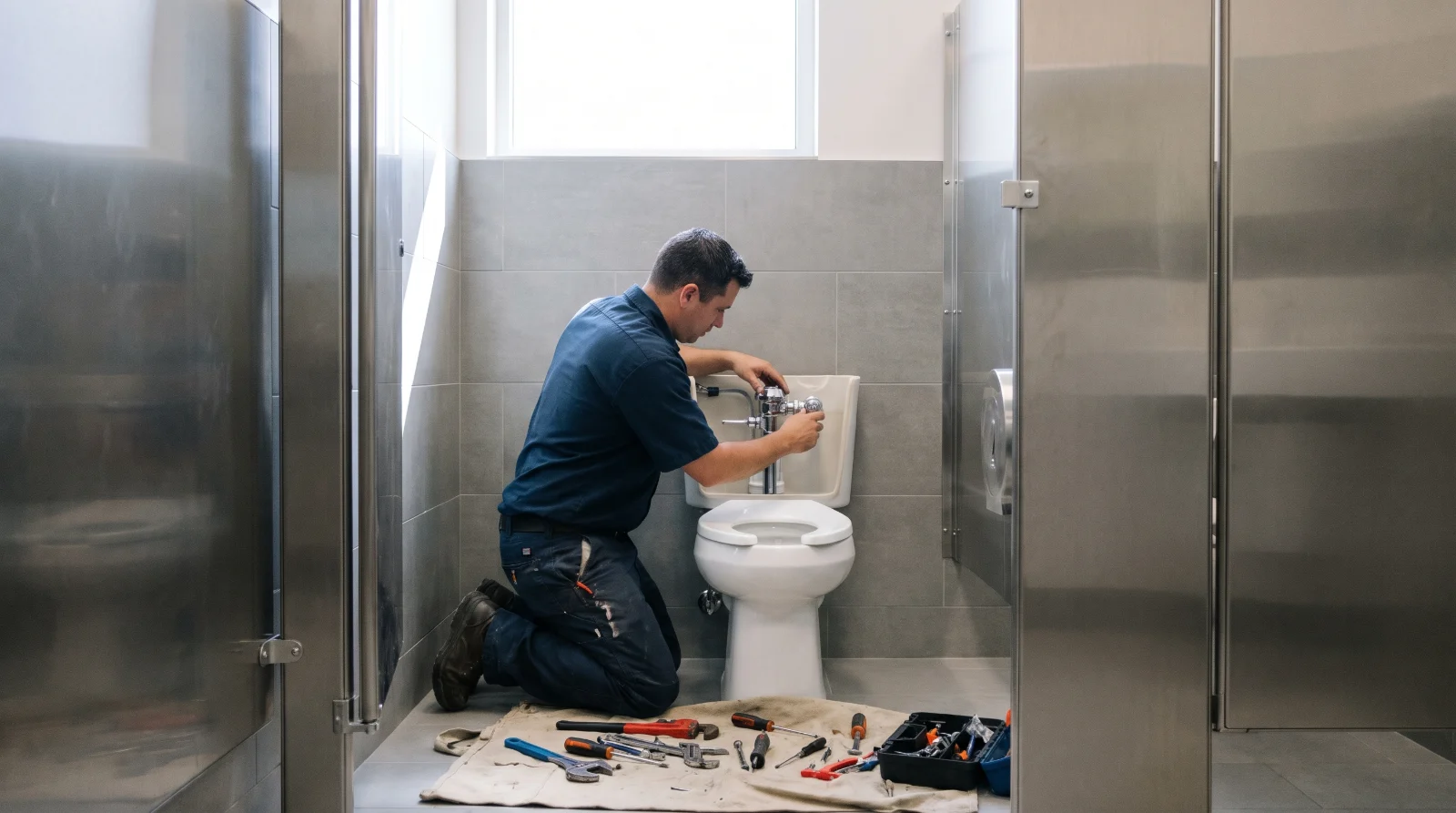
Well maintained, accessible public restrooms are part of a fair and healthy community, in every country.
A Brief History of the Flush Toilet
People have been trying to deal with human waste safely for thousands of years. Ancient cities in the Indus Valley, Mesopotamia and Rome built drains and latrines, some remarkably sophisticated. But for most of history, especially as cities grew crowded, waste ended up in streets, cesspits and rivers. The results were predictable: repeated outbreaks of cholera, typhoid and other diseases that killed enormous numbers of people.
The modern flush toilet developed over centuries, with key improvements like the S shaped trap in the late 1700s that held water to block odors. The real revolution came in the nineteenth century, when cities such as London built large sewer networks after devastating cholera epidemics and a notoriously foul summer on the Thames. Public health pioneers proved that contaminated water spread disease, and engineers and plumbers built the systems that broke the cycle. Over the following century, indoor plumbing, water treatment and sewage treatment spread across much of the world, and life expectancy rose dramatically.
That story is still being written. In many regions, the infrastructure that wealthy cities built a century ago has yet to arrive, and in others it is aging and in need of renewal. Both challenges need skilled plumbers.
Innovation in Sanitation
There is real cause for optimism. Engineers and entrepreneurs are developing low cost toilets that work without sewer connections, container based sanitation services, compact treatment systems and better designs for schools and clinics. Water saving fixtures continue to improve in wealthy countries, and smart monitoring helps utilities detect sewer problems before they overflow. Each innovation still depends on people who can install and maintain it, which is why training plumbers and sanitation workers is just as important as inventing new technology.
What Toilets Do for You Every Day
For most of our readers, the toilet is so reliable that we forget it exists until it does not work. Here is a quick appreciation of what happens every time you flush. Fresh water refills the tank through a fill valve. The flush valve releases water into the bowl, starting a siphon that carries waste through the trap. The trap refills with water, creating a seal that keeps sewer gases out of your home. Waste flows through drain pipes, sloped just right, into a sewer lateral and on to municipal treatment or a septic system. Vents on your roof let air in so everything drains smoothly. It is a quiet engineering marvel.
How to Take Care of Your Toilets and Sewer
World Toilet Day is a good reminder to protect the sanitation you have.
Flush only the three Ps. Pee, poop and toilet paper. Wipes, even those labeled flushable, paper towels, cotton swabs, dental floss and feminine products cause clogs and sewer blockages.
Fix running toilets. A running toilet can waste a surprising amount of water and money. Usually it is a worn flapper or fill valve, an easy fix for a pro. Our toilet installation and repair listings can help.
Watch for warning signs. Gurgling, slow flushing, sewage odors or backups in multiple drains may signal a main line problem. Our sewer line pros can diagnose it.
Maintain septic systems. If you are on septic, have the tank inspected and pumped on schedule and keep harsh chemicals, grease and non biodegradable items out of it. See our septic system specialists.
Upgrade old fixtures. Modern high efficiency toilets use far less water than older models while flushing powerfully. If you are remodeling, our bathroom remodeling pros can help you choose.
Warning: Sanitation Shortcuts Endanger Health
In wealthy countries, sanitation problems usually come from shortcuts rather than scarcity. We see illegal connections of drains to storm sewers, missing traps and vents, DIY plumbing that lets sewer gas into homes, and failing septic systems that contaminate wells. Sewer gas can contain harmful gases, and leaking sewage can spread disease. If you smell sewage indoors, do not ignore it. Call a licensed plumber.
How the Plumbing Community Helps Globally
Plumbers and plumbing organizations around the world contribute to the sanitation cause in many ways: volunteering on projects that build toilets and water systems, training local tradespeople, developing codes and standards for countries building new infrastructure, and supporting charities focused on water and sanitation. Organizations like the World Plumbing Council and national plumbing associations, many of which you can find in our plumbing associations directory, play a major role. If you are a plumber looking for a way to give back, sanitation projects are a powerful place to start.
What You Can Do
You do not need to be a plumber to help. Learn about the global sanitation crisis and share what you learn. Support reputable organizations that build sanitation and water infrastructure. Advocate for clean, accessible public restrooms in your community, including in schools and parks. And take care of the plumbing in your own home, because a failing sewer or septic system can affect your neighbors' health as well as yours.
Schools and community groups can join in too. World Toilet Day is a wonderful opportunity to teach children how sanitation protects health, invite a local plumber to talk about the trade, and organize a fundraiser for a sanitation charity. Small actions build awareness that lasts far beyond one day in November.
A Moment of Gratitude
Next time you flush, take a second to appreciate the generations of plumbers, engineers and public health officials who made that simple act possible, and the plumbers who keep it working today. Their work rarely makes headlines, but it shapes every day of our lives. On World Toilet Day and every day, Best Plumbers is proud to cheer them on.
How Best Plumbers Helps
Best Plumbers has been the Internet's original plumbing directory since July 12, 2002, serving readers around the world. We list every plumbing company and show every review, good and bad, and our Best Plumbers Recommended seal marks the companies we trust most. We never sell leads. For toilet, drain, sewer or septic help, search plumbers near me and read the reviews.
The Bottom Line
World Toilet Day 2026 reminded the world that about 3.4 billion people still lack a safe toilet, and that sanitation is closely tied to gender equality, health, education and dignity. For those of us who have safe toilets, the lesson is gratitude and stewardship: protect your plumbing, flush wisely, maintain your sewer or septic system and support the effort to bring safe sanitation to everyone. Plumbing remains one of humanity's greatest lifesaving achievements, and the work is far from finished.
Frequently Asked Questions About World Toilet Day
1. When is World Toilet Day?
World Toilet Day is observed every year on November 19.
2. What was the 2026 World Toilet Day theme?
The 2026 campaign was called Safe toilets. Equal futures. and focused on sanitation and gender equality.
3. Who organizes World Toilet Day?
UN-Water coordinates World Toilet Day. The 2026 campaign was led by its expert group on water, sanitation and hygiene, co-coordinated by UNICEF and the World Health Organization.
4. Who founded World Toilet Day?
It began in 2001 when Jack Sim founded the World Toilet Organization in Singapore. The UN made it an official observance in 2013.
5. How many people lack a safe toilet?
According to UN-Water, about 3.4 billion people still live without a safe toilet.
6. Why is sanitation linked to gender equality?
Without safe, private toilets, women and girls face health risks, safety threats and barriers to school and work, and menstruation creates additional challenges.
7. What is Sustainable Development Goal 6?
SDG 6 is the United Nations goal to ensure available and sustainable water and sanitation for all by 2030.
8. What diseases does poor sanitation spread?
Poor sanitation contributes to diseases such as cholera, typhoid and diarrheal illnesses, which are especially dangerous for young children.
9. Why are plumbers considered public health workers?
Plumbers separate waste from drinking water, install traps and vents, prevent backflow and build systems that stop the spread of waterborne disease.
10. What should I never flush down a toilet?
Avoid wipes, paper towels, cotton swabs, dental floss, feminine products, medications and grease. Flush only human waste and toilet paper.
11. Are flushable wipes safe for plumbing?
Many plumbers and utilities advise against flushing any wipes because they do not break down quickly and can cause clogs and sewer blockages.
12. How much water does a running toilet waste?
A running toilet can waste a large amount of water every day. A worn flapper or fill valve is a common and inexpensive fix.
13. What does a toilet trap do?
The trap holds water that forms a seal, blocking sewer gases from entering your home while allowing waste to pass through.
14. Why do plumbing systems need vents?
Vents let air into the drainage system so water flows smoothly, traps stay sealed and sewer gases are carried safely outdoors.
15. How often should a septic tank be pumped?
It depends on tank size and household use. Many tanks need inspection and pumping every few years. A septic professional can recommend a schedule.
16. What are signs of a sewer line problem?
Multiple slow drains, gurgling, sewage odors and backups into tubs or floor drains can indicate a main sewer line issue.
17. Are high efficiency toilets effective?
Modern high efficiency toilets use much less water than older models and many flush very effectively when properly installed.
18. What are adult changing stations?
They are accessible changing tables sized for adults in public restrooms. The 2027 Uniform Plumbing Code adds provisions for them.
19. Is sewer gas dangerous?
Sewer gas can contain harmful gases and unpleasant odors. If you smell sewage indoors, have a licensed plumber investigate promptly.
20. How can I help with the global sanitation crisis?
Learn about the issue, support reputable sanitation organizations, advocate for accessible restrooms and share accurate information.
21. Can plumbers volunteer on sanitation projects?
Yes. Many plumbers volunteer with charities and trade organizations that build toilets and water systems or train local tradespeople.
22. Why do toilets matter for education?
Schools without safe, private toilets see lower attendance, especially among girls, so sanitation directly affects learning.
23. What role does the World Plumbing Council play?
The World Plumbing Council brings plumbing organizations together internationally to promote safe plumbing and sanitation practices worldwide.
24. How do I find a plumber for toilet or sewer problems?
Search Best Plumbers, read every review, look for the Best Plumbers Recommended seal and confirm licensing and insurance.
25. Why does Best Plumbers recognize World Toilet Day?
Since 2002, Best Plumbers has championed plumbing as a lifesaving profession. World Toilet Day highlights the public health impact of the work plumbers do.
Sources
United Nations, World Toilet Day. UN-Water, World Toilet Day 2026 fact sheet. NPR via OPB, World Toilet Day is a funny idea with a serious goal (November 19, 2026). Geneva Environment Network, World Toilet Day 2026.

