
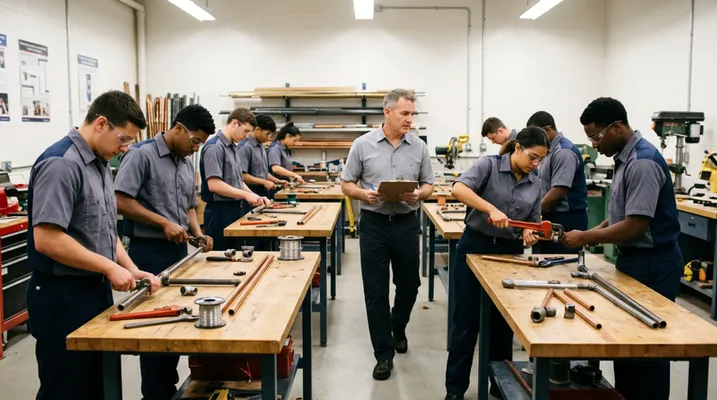
A growing number of young people are choosing skilled trades like plumbing. According to the National Student Clearinghouse Research Center, enrollment at public two year colleges with a strong vocational focus reached about 871,000 students in spring 2025, nearly 20 percent higher than in spring 2020, and grew another 2.8 percent in spring 2026. Over five years, such enrollment rose by nearly 38 percent, according to reporting on the Clearinghouse data. Many in Generation Z see trades as a path to good pay without heavy student debt, and plumbers rank among the careers people consider most resistant to artificial intelligence. Here is what is driving the trend and how to start.
By the Best Plumbers Editorial Team. Published November 22, 2026.
For decades, young people in many countries were told that a four year university degree was the only respectable path to success. Shop classes disappeared from schools, and the trades were sometimes treated as a fallback. That message is changing fast. Students, parents and employers are rediscovering what plumbers have always known: skilled trades offer meaningful work, strong incomes, independence and a career that cannot be outsourced or automated away. At Best Plumbers, we have championed the trade since 2002, and nothing makes us more optimistic than the wave of young people picking up tools.
What the Numbers Show
The National Student Clearinghouse Research Center tracks enrollment across US colleges. It classifies some public two year colleges as high vocational institutions, where most programs train students for specific careers. Its data showed enrollment at those schools reached about 871,000 in spring 2025, nearly 20 percent above spring 2020. In spring 2026, high vocational enrollment rose another 2.8 percent, or roughly 24,000 students. Reporting on the same data found an increase of nearly 38 percent between spring 2021 and spring 2026.
Specific trade programs show similar momentum. Industry press reported that enrollment in two year HVACR programs rose nearly 30 percent in 2025 and kept climbing in 2026, and the PHCC, a leading plumbing and heating contractors association, reported its own HVAC program enrollment up about 15 percent over a year.
It is worth noting a caution raised by some analysts: part of the growth reflects demographics, as the large Gen Z cohort ages into college years, rather than a wholesale shift away from universities. Four year enrollment has also grown in some recent terms. The trend is real, but it is a shift in emphasis rather than an exodus.
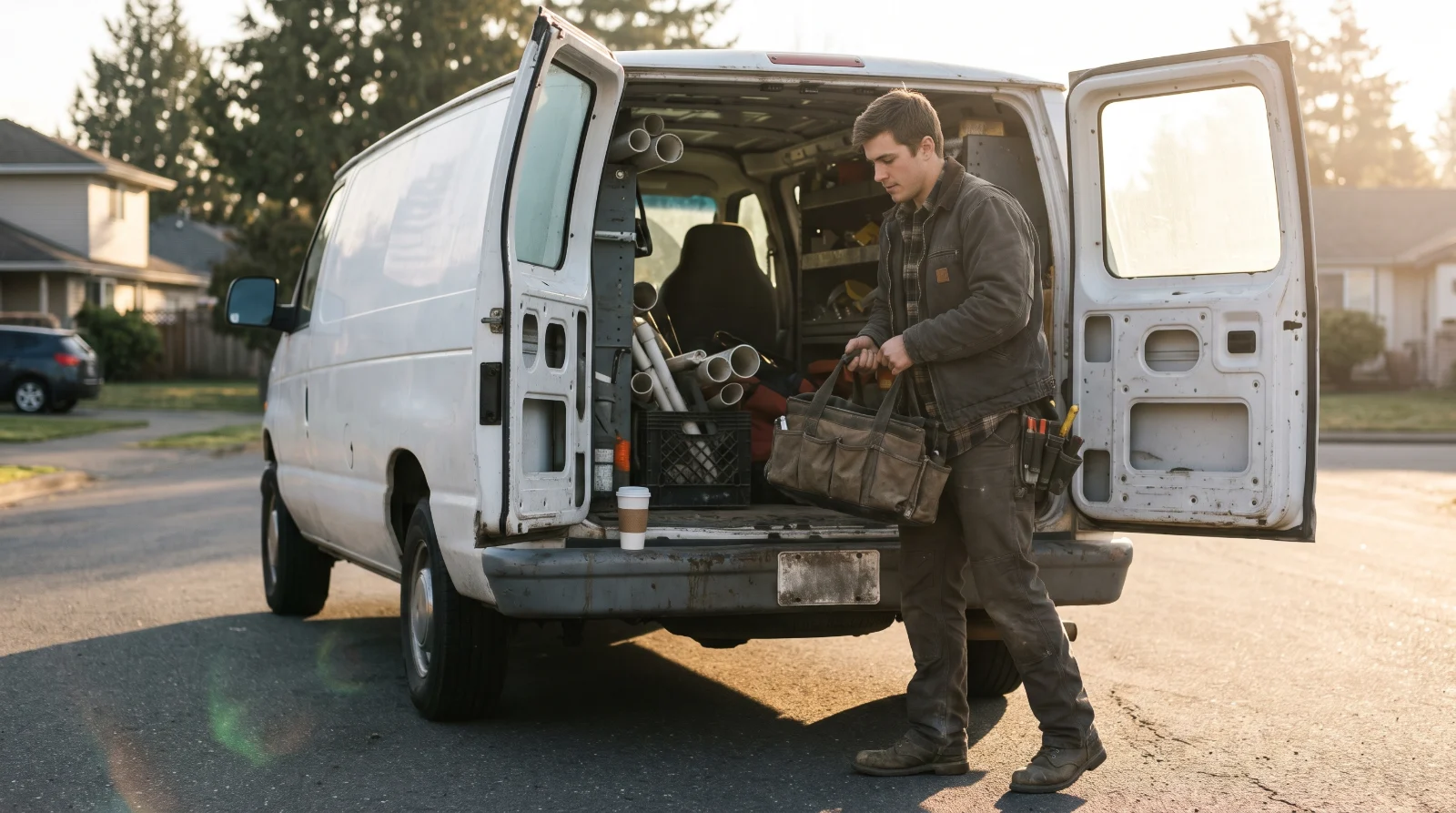
Many young plumbers love the variety of the work and the chance to build their own careers or businesses.
Why Young People Are Choosing Trades
Avoiding debt. University costs and student debt weigh heavily on young people. Apprenticeships pay wages from day one, and trade school programs are often shorter and cheaper than four year degrees.
Good pay and demand. Experienced, licensed plumbers earn solid incomes, and demand is strong because of retirements, construction and infrastructure work. We covered the scale of the opportunity in our article on the data center boom.
Resistance to automation. Research by home service software maker Jobber found that only a small share of Gen Z parents believe a college degree guarantees long term job security, and that parents ranked plumbers among the most AI resistant professions. As we explained in our article on AI in plumbing, software can help with paperwork, but it cannot repair a burst pipe.
Meaningful work. Plumbers protect public health, restore water and heat to families and build the infrastructure that modern life depends on.
Entrepreneurship. Many plumbers go on to start their own companies, and some young people see the trades as a direct path to business ownership.
Social media visibility. Young tradespeople share their work online, showing peers what the job really looks like. See some of the voices on our plumbing influencers page.
How to Become a Plumber
Paths vary by country and region, but most follow a similar pattern:
Explore. Take any shop, technical or construction classes available. Visit training centers and talk to working plumbers.
Pre apprenticeship or trade school. Some people start with a short program that teaches basic skills and safety, which can make them more competitive for apprenticeships.
Apprenticeship. The core of plumbing training. Apprentices work under licensed plumbers while attending classes, typically over four to five years in the United States, with similar structures in Canada, the UK, Australia and New Zealand. Unions, contractor associations and employers sponsor programs.
Licensing. After completing required hours and education, plumbers take exams to become licensed journeyman or equivalent, and later master plumbers or contractors.
We wrote about how training is expanding in our articles on booming trade schools and major investments in trades training. Industry groups on our plumbing associations page can help you find programs, and our plumbing jobs board lists openings.
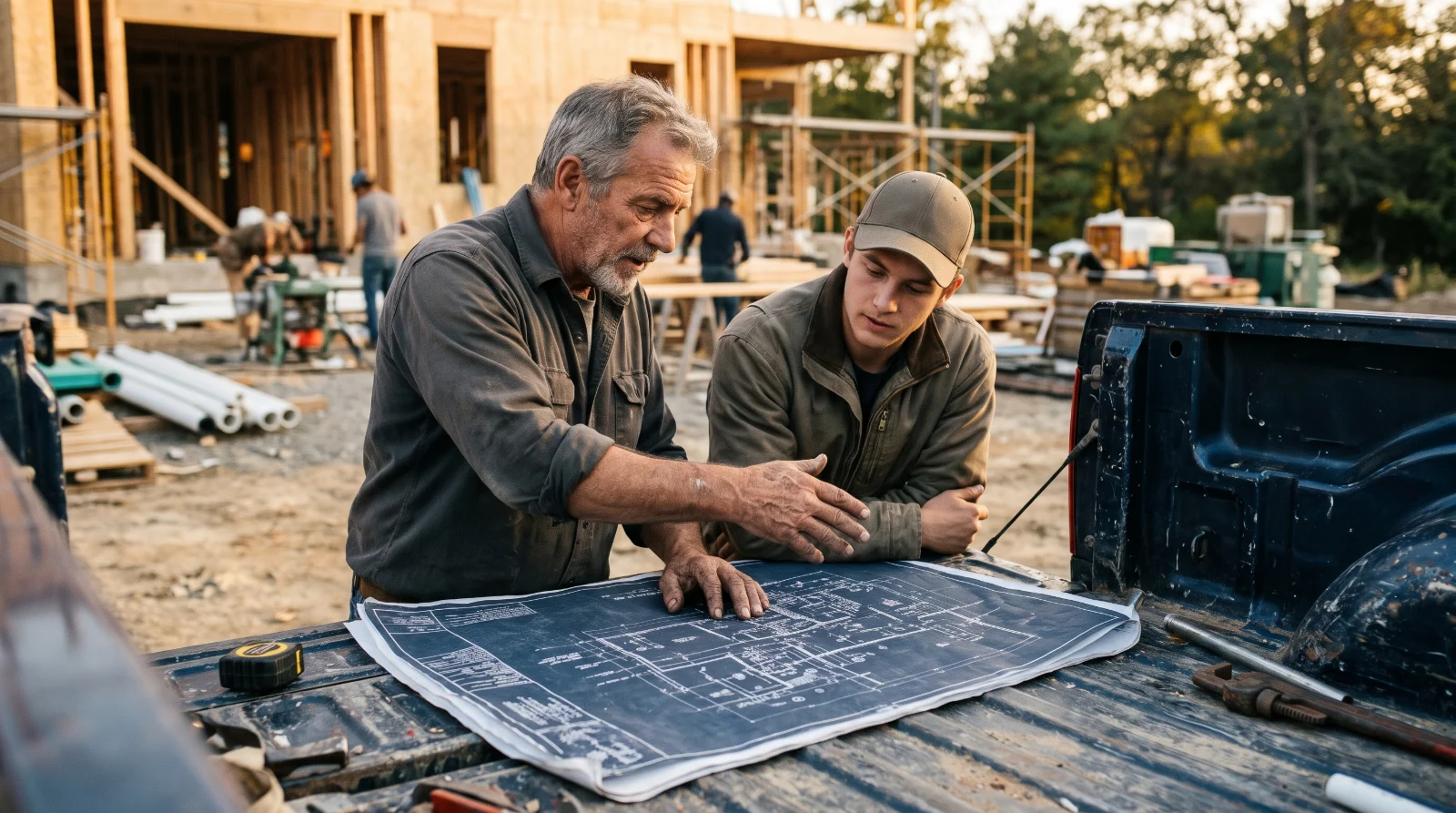
Apprenticeship pairs classroom learning with on the job mentoring from experienced plumbers.
A Day in the Life of a Young Plumber
What does the job actually look like for someone in their early twenties? Picture a second year apprentice on a residential service crew. The day starts before seven with a stop at the supply house for parts. The first call is a water heater that stopped heating, and the apprentice helps the journeyman test the elements, drain the tank and replace a failed part. Next comes a kitchen remodel, where the apprentice roughs in new supply lines and a drain under supervision. After lunch, an emergency call sends the crew to a burst pipe in a basement, where quick thinking and clear communication with a stressed homeowner matter as much as technical skill. The day ends with paperwork, photos for the job record and a quick review of what went well. Every day brings different problems, different homes and different people, which is exactly what many young plumbers say they love about the work.
Skills That Set Young Plumbers Apart
Technical skill is essential, but the plumbers who rise fastest usually combine it with other strengths. Reliability matters enormously: showing up on time, finishing what you start and keeping your word. Communication skills help explain problems and options to customers in plain language. Comfort with technology is increasingly valuable, from using job management apps to diagnosing smart water heaters and leak detection systems. A safety mindset protects you and your coworkers. And curiosity, the habit of asking why something failed and how to prevent it, turns good apprentices into great plumbers.
What Apprentices Should Expect
The first year can be demanding. Apprentices carry materials, dig trenches, learn tool safety and absorb a great deal of information. Days can start early and involve physical work in heat, cold and tight spaces. But the learning curve is steep and rewarding. Within a few years, apprentices are installing systems, troubleshooting problems and taking on responsibility. Good mentors make a huge difference, so look for employers who invest in training. We celebrated outstanding young plumbers in our article on the 2026 apprentice contest winners.
The Trades Need Everyone
The plumbing workforce has long been dominated by men, and women remain a small share of plumbers, as we discussed in our article on women in plumbing. The current surge of interest is a chance to welcome people of every background, including women, career changers, veterans and people from communities that have not traditionally been recruited into the trades.
Why the Industry Needs This Wave
The timing could not be better. Many experienced plumbers are nearing retirement, and the industry has warned for years about a shortage of skilled workers, which we covered in our article on the plumbing apprentice shortage. Infrastructure investment, lead pipe replacement, water efficiency upgrades, new housing and commercial construction all require skilled plumbers. A new generation entering the trade helps ensure homeowners can get help when they need it.
Thinking Long Term
A plumbing career can span decades, and many plumbers move from field work into supervision, estimating, inspection, training or business ownership as they gain experience. Physical demands are real, so learning safe lifting, using proper tools and protecting your back, knees and hearing from the start pays off. Retirement planning matters too; policy debates about retirement for physically demanding jobs, like the one we described in our article on a proposal for earlier Social Security for tradespeople, show how much attention the trades are receiving.
What Employers Say
Plumbing company owners across many markets say they are eager to hire motivated young people, even without experience, because skills can be taught but attitude is harder to change. Many offer paid training, tools allowances, mentoring and clear paths to advancement. Some companies partner with local high schools and community colleges to create pipelines of talent. For young job seekers, a professional approach, a willingness to learn and a clean driving record can open doors quickly.
Advice for Parents
Parents can play a powerful role. Talk openly about trades as respected, well paid careers. Help teens explore through summer jobs, school programs and visits to training centers. Ask plumbers you know about their paths. Support a child's interest in working with their hands, solving problems and building things. A trade does not close doors; many plumbers later pursue further education or business degrees, and the skills they learn last a lifetime.
Warning: Choose Training Programs Carefully
As demand grows, so do training programs, and not all are equal. Before enrolling, check accreditation, licensing exam pass rates, job placement records, total costs and whether credits count toward apprenticeship requirements in your area. Be cautious of programs that promise guaranteed high salaries or require large upfront payments with high interest loans. Talk to graduates and local employers about the program's reputation.
Money Smarts for New Tradespeople
Starting to earn a paycheck at eighteen or nineteen, without student loans, gives young tradespeople a remarkable financial head start. Use it wisely. Build an emergency fund, invest in quality tools gradually rather than all at once, take advantage of any employer retirement plan early and keep records of training hours and certifications. Many plumbers who start young and manage their money carefully are able to buy homes, start businesses or retire comfortably earlier than their peers who began careers later with debt. Financial literacy is one of the most valuable skills any young tradesperson can learn alongside the technical ones. If your employer or union offers financial planning workshops, take them. If not, a trusted adviser or reputable free resources can help you set goals and avoid common mistakes like high interest debt for vehicles or tools. Small, steady habits started early can grow into real financial security over a long and rewarding career.
A Global Trend
Interest in trades is rising in many countries. Australia, Canada, the United Kingdom, Ireland and New Zealand all face skilled trade shortages and are expanding apprenticeship incentives and training. Young people everywhere are weighing the cost of university against the opportunities in skilled work.
How Best Plumbers Helps
Best Plumbers has been the Internet's original plumbing directory since July 12, 2002, and the most trusted. We list every plumbing company and every review, good and bad, and our Best Plumbers Recommended seal marks companies we trust most. We never sell leads. Aspiring plumbers can research employers through our locations directory and their reviews, which often reveal how companies treat customers and staff.
The Bottom Line
The toolbelt generation is real. Enrollment at vocational focused colleges has surged, and young people are drawn by debt free training, solid pay, meaningful work and careers that AI cannot replace. For anyone considering plumbing, now is an excellent time to start. For homeowners, a new generation of skilled plumbers is good news for decades to come.
Frequently Asked Questions About Young People Entering the Trades
1. Is trade school enrollment rising?
Yes. Enrollment at high vocational public two year colleges reached about 871,000 in spring 2025, nearly 20 percent above spring 2020, and grew again in 2026.
2. How much has vocational enrollment grown over five years?
Reporting on Clearinghouse data found an increase of nearly 38 percent between spring 2021 and spring 2026.
3. Is Gen Z abandoning college?
Not entirely. Some growth reflects demographics, and four year enrollment has also grown in some terms. It is a shift in emphasis.
4. Why are young people choosing trades?
To avoid debt, earn good pay, find meaningful work, start businesses and pursue careers resistant to automation.
5. Is plumbing AI proof?
AI helps with office tasks, but hands on plumbing work requires skilled people. Many rank plumbing among the most AI resistant careers.
6. How long does it take to become a plumber?
Apprenticeships typically take four to five years in the US, with similar timelines in other countries.
7. Do apprentices get paid?
Yes. Apprentices earn wages while training, with raises as skills grow.
8. Do I need a college degree to be a plumber?
No. Plumbers train through apprenticeships and trade programs, then earn licenses.
9. What is a pre apprenticeship?
A short program teaching basic skills and safety to prepare for a formal apprenticeship.
10. How do I find a plumbing apprenticeship?
Contact unions, contractor associations, community colleges and local plumbing companies.
11. Is plumbing hard physically?
It can be demanding, but proper technique, tools and safety practices make it manageable.
12. Can plumbers start their own businesses?
Yes. Many licensed plumbers become contractors and business owners.
13. Are women welcome in plumbing?
Yes. The trade needs more women, and programs and networks support them.
14. What subjects help future plumbers?
Math, science, technical drawing and any hands on shop or construction classes.
15. Is there demand for plumbers?
Yes. Retirements, construction and infrastructure investment create strong demand.
16. Can I become a plumber later in life?
Yes. Many career changers enter plumbing in their twenties, thirties or later.
17. How do I choose a good trade school?
Check accreditation, exam pass rates, job placement, costs and whether credits count toward apprenticeship.
18. Are HVAC programs growing too?
Yes. Industry press reported strong growth in HVACR program enrollment in 2025 and 2026.
19. What do parents need to know?
Trades are respected, well paid careers that can lead to business ownership and lifelong skills.
20. Are trades growing outside the US?
Yes. Many countries face trade shortages and are expanding apprenticeships.
21. What is the first year of apprenticeship like?
Demanding and physical, with rapid learning under experienced mentors.
22. Can plumbers move into other roles later?
Yes. Options include supervision, estimating, inspection, training and management.
23. Where can I find plumbing jobs?
Search the Best Plumbers plumbing jobs page, union locals and local companies.
24. How can I research plumbing employers?
Read company reviews on Best Plumbers to learn how they treat customers and staff.
25. Why does Best Plumbers celebrate young tradespeople?
Since 2002, Best Plumbers has championed the trade, and a new generation of plumbers is its future.
Sources
National Student Clearinghouse Research Center, final spring enrollment trends 2026. Fortune, community college enrollment and trade school interest. ACHR News, HVAC enrollment outperforming vocational education.

