
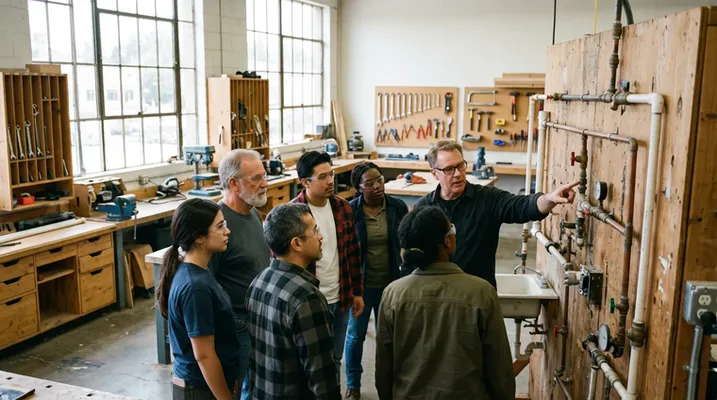
Corporate America is putting serious money behind the skilled trades. In April 2026, the Lowe's Foundation expanded its commitment to 250 million dollars to help train and develop 250,000 tradespeople by 2035, including plumbers, through grants to community colleges, technical schools and nonprofits. It has since passed 60 million dollars invested across partners in about 30 states, and it has launched a cross industry coalition with major companies that aims to help train one million people for skilled trades careers by 2035. For plumbing, a trade facing a projected shortage of hundreds of thousands of workers, this is very good news.
By the Best Plumbers Editorial Team. Published November 22, 2026.
For years, those of us who love this trade watched the labor shortage grow and wondered when the rest of the world would notice. This year, it noticed. Retailers, manufacturers, utilities, technology companies and banks are now funding training, sponsoring scholarships and telling young people that a career with a toolbox is something to be proud of. At Best Plumbers, we have championed that message since 2002, and we are thrilled to see it go mainstream.
The Lowe's Foundation Commitment
In 2023, the Lowe's Foundation announced a 50 million dollar, five year commitment to help prepare 50,000 people for skilled trades careers. By the spring of 2026, it reported having invested nearly 53 million dollars across 65 nonprofits and community colleges and said it was on track to reach the 50,000 goal by 2027, a year early. On April 7, 2026, it announced a five fold expansion: 250 million dollars to help train and develop 250,000 tradespeople by 2035 through its Gable Grants program.
The foundation has said the focus includes trades like plumbing, carpentry and electrical work, with grants flowing to community and technical colleges and nonprofit training organizations. It also produced a three part docuseries, Building Back America's Trades, featuring aspiring tradespeople and their mentors. Later in the year, the foundation announced nearly 8 million dollars in additional grants to ten community and technical colleges, pushing its total skilled trades investment above 60 million dollars and expanding its network of partners across roughly 30 states.
A Coalition Aiming for One Million
The Lowe's Foundation has also launched what it calls the Building Futures Skilled Trades Coalition, bringing together major companies including NVIDIA, AT&T, Bank of America, Carrier, General Motors, DEWALT and Duke Energy. The coalition's stated goal is to help train and develop one million people for skilled trades careers by 2035. That is an extraordinary target, and it reflects how widely employers now recognize that skilled hands are as vital to the economy as software and capital.

Mentorship turns funding into skill. Every grant ultimately depends on experienced tradespeople willing to teach.
Why This Matters So Much for Plumbing
Plumbing has been hit especially hard by the skills gap. Research commissioned by a major plumbing manufacturer projects roughly 550,000 unfilled plumbing positions in the United States by 2027, while the plumbing industry and its manufacturers together represent more than 442 billion dollars in annual economic impact. We broke those numbers down in our article on plumbing's 442 billion dollar impact and its 550,000 worker gap, and explored the root causes in our report on the plumbing apprentice shortage.
Training plumbers is expensive. Labs need water, drains, fixtures, tools, consumables and instructors with years of field experience. Community colleges and nonprofits often struggle to afford all of it. Grants like these can pay for equipment, expand class sizes, support instructors and help students cover costs. That turns interest into capacity.
The Wider Training Boom
The Lowe's effort is part of a broader wave. New trade school campuses are opening, as we covered in our article on the trade school boom and the new Reno-Sparks campus. Trade publications have reported strong enrollment growth in building trades programs. Industry foundations awarded record scholarships this year, and young apprentices are competing at national and world levels, as we celebrated in our story on the 2026 National Plumbing Apprentice Contest winners.
Outside the United States, similar efforts are underway. The UK continues to invest in apprenticeships and further education colleges, Australia and New Zealand maintain strong apprenticeship systems, and Canada's provinces fund trades training. The labor gap is global, and so is the response.
Inside a Grant Funded Plumbing Classroom
What does a training grant actually buy? Picture a community college that has offered a small evening plumbing course for years, limited to a dozen students because it only has a handful of practice stations. A grant can add new practice walls with real fixtures, a drain and vent training rig, water heaters for hands on installation practice, press and expansion tools, safety gear and a steady supply of copper, PEX and fittings that students will cut, solder and press by the thousands. It might fund a second instructor so the program can run day and evening sections. It might cover tool kits for students who could not otherwise afford them, or help pay for transportation so a single parent can attend.
The result is not abstract. It is twenty or thirty more people each year who leave knowing how to sweat a joint, set a toilet, read a plan and talk to a customer. Many of them will become apprentices at local plumbing companies within weeks. In a few years, some will be licensed journeymen answering your emergency call on a holiday weekend. That chain from grant to classroom to service call is why we consider this kind of investment one of the best things that has happened to the trade in a long time.
It also changes how communities see plumbing. When a college cuts the ribbon on a new trades lab and local news covers it, parents and students hear a message they did not hear often enough in past decades: this work matters, and it leads somewhere good.
What Makes Training Investments Work
Money alone does not create a plumber. Based on what we hear from contractors and instructors across our directory, the most successful programs share several traits:
Employer partnerships. Programs that work hand in hand with local plumbing companies place graduates faster and teach what employers actually need.
Hands on time. Plumbing is learned by doing. Programs with substantial lab and field time produce more confident graduates.
A clear path to licensing. Students need to understand how training connects to apprenticeship hours and licensing exams. A certificate alone does not make someone a licensed plumber.
Wraparound support. Help with tools, transportation, childcare or tuition can be the difference between finishing and dropping out.
Mentors. Experienced plumbers who take new people under their wing are irreplaceable. Funding can support them, but it cannot replace their patience and knowledge.
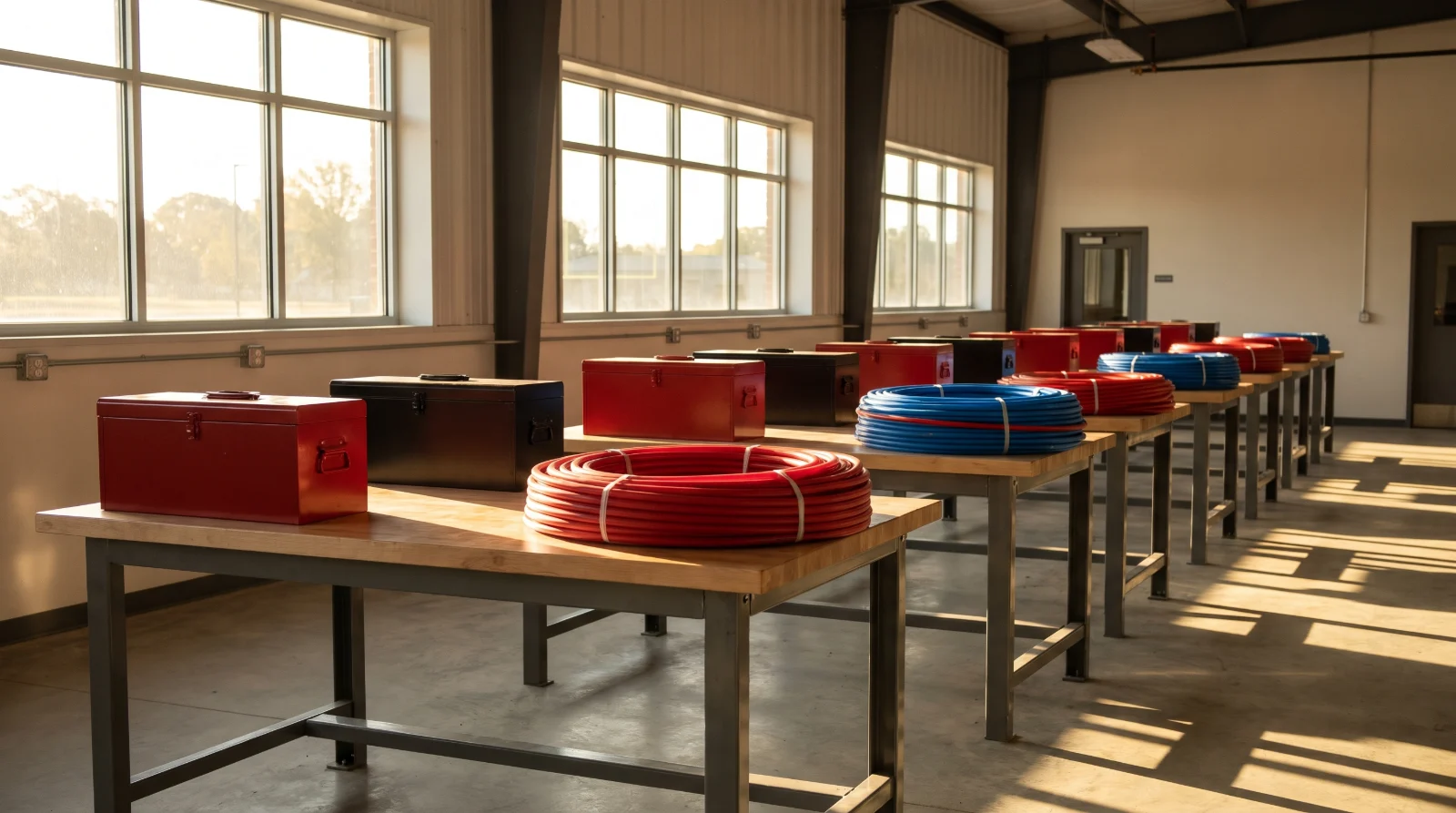
Grants pay for the tools, benches and materials that let community colleges open new plumbing classes.
How Plumbing Companies Can Plug In
If you own or manage a plumbing company, this is a moment of opportunity. Partner with your local community college or technical school. Offer to host tours, judge competitions or serve on advisory boards. Provide paid internships or summer jobs. Create a structured apprenticeship program with clear wage steps. Encourage your best plumbers to mentor. The companies that build these relationships now will have first access to the next generation of talent. Post openings on our plumbing jobs board, connect with training organizations through our plumbing associations directory and meet educators at events on our plumbing trade shows calendar.
How Young People and Career Changers Can Benefit
If you are considering plumbing, look for programs at community colleges and nonprofits in your area that have received training grants. Ask about scholarships, tool assistance and employer partnerships. Talk to working plumbers about their experience; many share their journeys online, and our list of plumbing influencers is a fun place to start. And remember that the goal is a career, not just a certificate. Aim for a program that leads to a paid apprenticeship and eventually a license.
A Word of Caution
As money flows into training, some for profit programs will promise more than they deliver. Be wary of guaranteed job or salary claims, unclear costs, pressure to sign quickly and vague answers about licensing. Check accreditation, ask for placement data and talk to graduates. Good programs are proud to answer tough questions.
For homeowners, the shortage also means unqualified operators can find work more easily. Until the training pipeline catches up, always verify licensing and insurance. Read why in the importance of hiring a licensed plumber.
What It Means for Homeowners
In the long run, more trained plumbers means better availability, fairer prices and fewer opportunities for bad actors. In the meantime, plan routine work ahead of busy seasons, build a relationship with a trusted plumbing company, and reward good service with honest reviews. Those reviews help great companies grow, and growing companies hire and train more people. You can find well reviewed plumbers through plumbers near me and share your experience on our reviews pages.
Why We Are So Optimistic
For a long time, plumbing was treated as a fallback rather than a first choice. That is changing in real time. When some of the largest companies in America publicly commit hundreds of millions of dollars to training tradespeople, it sends a powerful signal to parents, counselors and students. Plumbing is skilled, essential, well paid and respected work. We have known that for decades. It is wonderful to see the rest of the world catching up.
How Best Plumbers Supports the Trade
Best Plumbers has been the Internet's original plumbing directory since July 12, 2002. We are cheerleaders for the people in this trade, and we work to connect customers with companies that do things the right way. We list every plumbing company and show every review, good and bad. Our Best Plumbers Recommended seal is earned through quality and integrity, and you can read how we rank plumbers. We never sell leads.
The Bottom Line
The Lowe's Foundation's 250 million dollar commitment and the new Building Futures coalition represent some of the largest private investments in skilled trades training in recent memory. For plumbing, they mean more classrooms, more equipment, more scholarships and more mentors. The labor shortage will not vanish overnight, but the direction has changed. If you are a plumber, mentor someone. If you own a company, partner with a school. If you are considering the trade, now is a great time to start. And if you are a homeowner, support the good companies that are building the future of this profession.
Frequently Asked Questions About the Skilled Trades Training Push
1. What did the Lowe's Foundation announce in 2026?
On April 7, 2026, it expanded its commitment to 250 million dollars to help train and develop 250,000 skilled tradespeople by 2035.
2. What are Gable Grants?
Gable Grants are the Lowe's Foundation's grants to community and technical colleges and nonprofits that train people for skilled trades careers.
3. How much has the Lowe's Foundation invested so far?
It reported more than 60 million dollars invested in skilled trades training since 2023, with partners in about 30 states.
4. Does the Lowe's Foundation fund plumbing training?
Yes. The foundation has said its focus includes trades such as plumbing, carpentry and electrical work.
5. What is the Building Futures Skilled Trades Coalition?
It is a cross industry coalition launched by the Lowe's Foundation with companies including NVIDIA, AT&T, Bank of America, Carrier, General Motors, DEWALT and Duke Energy, aiming to help train one million people by 2035.
6. Why is there such a push to train tradespeople?
Employers face severe shortages of skilled workers, including a projected shortfall of about 550,000 plumbers in the United States by 2027.
7. How can I find a grant funded plumbing program?
Contact local community and technical colleges and workforce nonprofits, ask about scholarships and employer partners, and browse the Best Plumbers jobs board.
8. Is training funded by grants free?
Sometimes costs are reduced or covered, but it varies by program. Ask about tuition, tools, fees and available scholarships.
9. What is Building Back America's Trades?
It is a docuseries produced by the Lowe's Foundation that follows aspiring tradespeople and their mentors.
10. How can plumbing companies benefit from these programs?
By partnering with schools, offering internships and apprenticeships, and mentoring students, companies gain access to new talent.
11. Does a training certificate make me a licensed plumber?
Generally no. Licensing usually requires documented apprenticeship hours under licensed plumbers and passing exams.
12. Are similar programs available outside the United States?
Yes. The UK, Canada, Australia and New Zealand all invest in apprenticeships and trades training through government and industry programs.
13. What makes a good trades training program?
Strong employer partnerships, lots of hands on time, a clear licensing path, student support and experienced mentors.
14. How long does it take to become a plumber?
Many plumbers complete about four to five years of apprenticeship before qualifying for a journeyman license, though paths vary.
15. Can career changers benefit from these programs?
Absolutely. Many programs welcome adults switching careers, veterans and recent graduates.
16. How do mentors fit into training?
Experienced plumbers teach the practical judgment and techniques that classrooms cannot fully provide, making mentorship essential.
17. Will more training lower plumbing prices?
Over time, more trained plumbers can improve availability and competition, which may help pricing and response times.
18. How can homeowners support the trades?
Hire licensed companies, pay fairly, leave honest reviews and support businesses that invest in apprentices and training.
19. Are there risks with for profit trade programs?
Some may overpromise. Check accreditation, costs, placement data and licensing pathways before enrolling.
20. What trades does the coalition target?
The coalition focuses broadly on skilled trades careers, which include plumbing, electrical, HVAC, construction and related fields.
21. Why are tech companies joining trades initiatives?
Data centers, energy infrastructure and modern buildings all depend on skilled tradespeople, so technology companies have a direct stake in the workforce.
22. Can women benefit from these programs?
Yes. Many programs actively recruit women, and more women are building successful plumbing careers.
23. Where can I find plumbing jobs after training?
Browse the Best Plumbers plumbing jobs board, contact well reviewed local companies and connect with trade associations.
24. Does Best Plumbers sell leads to training programs or contractors?
No. Best Plumbers does not sell leads. We list every plumbing company and every review so people can make informed choices.
25. Why does Best Plumbers cover trades training news?
Since 2002, Best Plumbers has championed the plumbing trade. A strong pipeline of trained plumbers protects public health and benefits every homeowner.
Sources
Lowe's, Lowe's Foundation plans expanded 250 million dollar investment (April 7, 2026). Builder, Lowe's Foundation expands 250 million dollar investment. Miami Dade College News, Lowe's Foundation tops 60 million dollars in skilled trades training. Chain Store Age, Lowe's makes 250 million dollar investment in tradespeople training. PR Newswire coverage of the Building Futures Skilled Trades Coalition launch (2026).

