
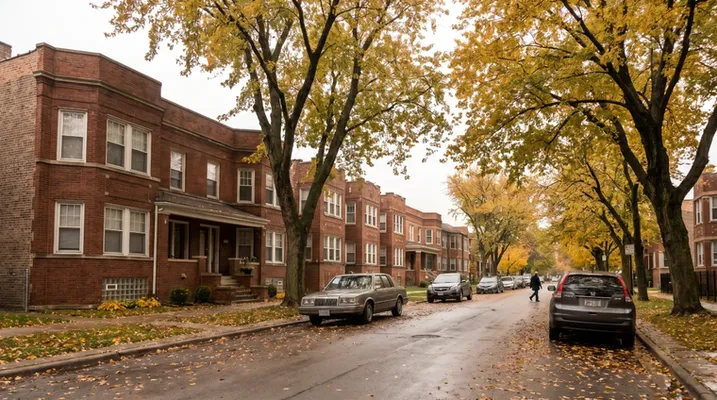
Beneath Chicago’s streets lie more lead water pipes than in any other American city: more than 400,000 lead service lines connecting homes to water mains. Replacing them is one of the largest public health projects in the country, and in 2026 it became one of the most scrutinized. Investigations by local and national news organizations found that Chicago pays more than any other major U.S. city to replace a lead line, roughly 31,000 to 34,000 dollars per line, while nearby suburbs pay less than half that and New York pays about a third. At that pace, the total bill could reach about 12 billion dollars over two decades. Here is how Chicago ended up with so many lead pipes, why replacement costs so much, the debate over what to do and what homeowners in Chicago and everywhere else can do now.
By the Best Plumbers Editorial Team. Published November 22, 2026.
Lead pipes are one of our most frequent topics at Best Plumbers, and for good reason. There is no safe level of lead exposure, especially for young children, and the lead service line is often the largest source of lead in drinking water where it exists. Nationally, the push to replace lead lines is moving forward, as we explained in the lead pipe rule goes to court. Chicago is the place where that national effort meets its biggest local challenge.
Why Lead Is So Harmful
Lead is a neurotoxin. In children, even low levels of exposure are linked to reduced IQ, attention problems, learning difficulties and behavioral issues, and the damage can be permanent. Pregnant women can pass lead to their developing babies. In adults, lead exposure is associated with high blood pressure, kidney damage and other health problems. Lead in water is invisible, tasteless and odorless, so the only way to know is to test. Lead levels can vary from day to day and tap to tap, which is why one good test result does not guarantee safety over time. Corrosion control treatment by the utility helps by forming a protective layer inside pipes, but disturbances such as construction, water main work or changes in water chemistry can release lead particles. That is why removing the lead pipe entirely is the only permanent solution.
How Chicago Got So Many Lead Pipes
Many American cities installed lead service lines in the late nineteenth and early twentieth centuries, when lead was valued because it was flexible, durable and easy to work. Most cities stopped using it decades ago. Chicago did not. The city’s building code required lead service lines for single family homes and two flats until the federal government banned lead pipes in 1986. That decision left a legacy of lead lines in nearly every house and two flat built before then, which is why Chicago’s inventory dwarfs that of other cities.
Researchers and journalists who mapped Chicago’s lead lines have found they are widespread across the city, and community groups have pointed out that lead exposure burdens fall disproportionately on some neighborhoods. A study reported by local public radio estimated that a large share of the city’s young children may be exposed to lead in their water.
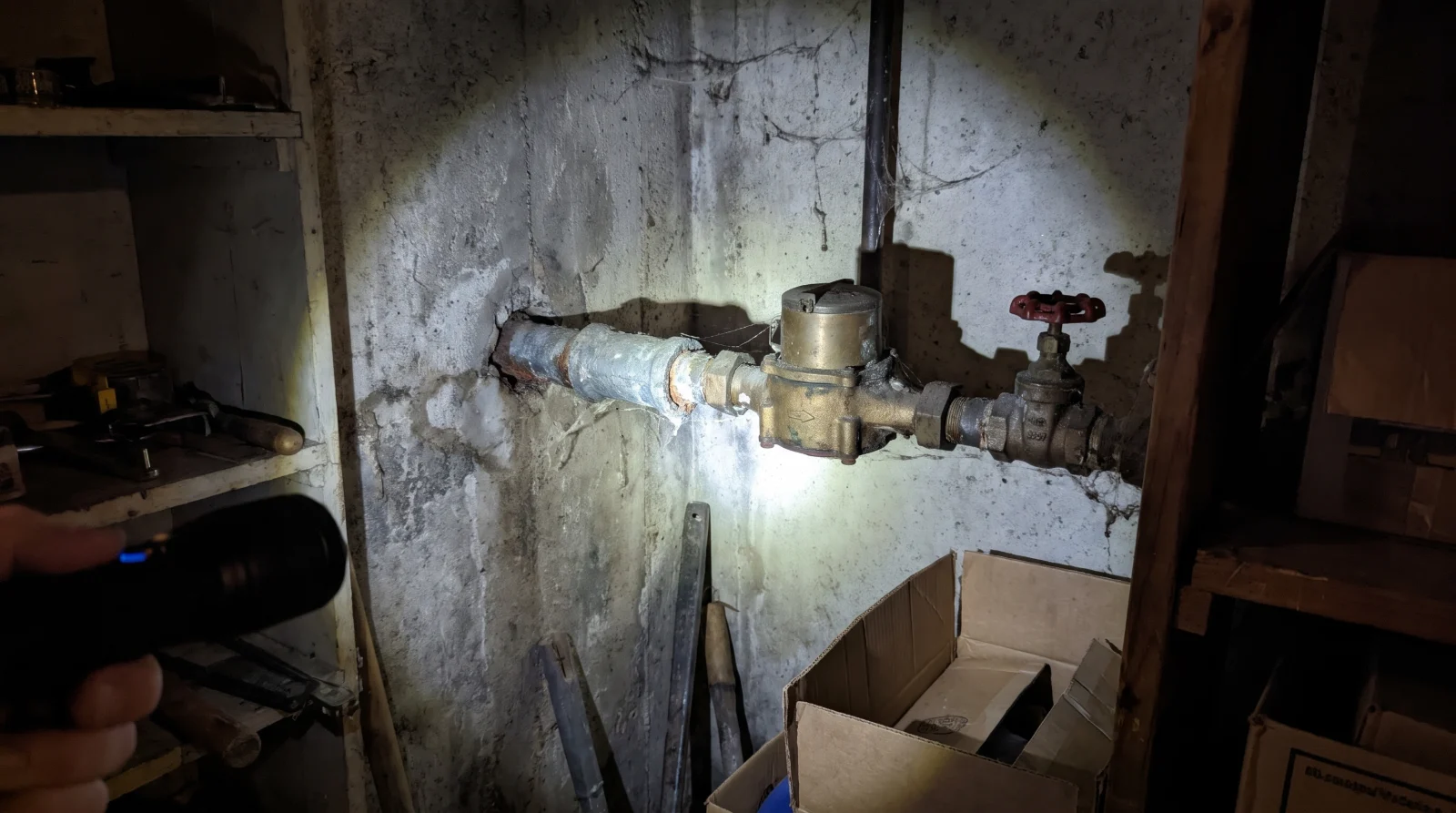
In many Chicago homes built before 1986, a lead service line enters the basement near the water meter.
Slow Progress
Chicago began its lead service line replacement programs in the early 2020s, including programs that replace lines for free for qualifying low income homeowners and daycare centers. Progress has been slow. In October 2025, the city’s water commissioner told council members that crews had replaced less than 4 percent of the city’s lead lines in five years. City council members questioned why hundreds of millions of dollars earmarked for replacement had not been spent, and why fewer than 10 percent of residents with lead lines had received required notifications at the time. City officials said they planned to accelerate spending in 2026.
The timeline is long. Under Illinois law, Chicago has until 2077 to remove all its lead service lines, a far longer horizon than most cities face, reflecting the enormous size of its inventory. Federal rules generally require replacement within about ten years, though Chicago’s situation has drawn special consideration, and the federal rule itself is being litigated.
Why Is It So Expensive?
A 2026 investigation by WBEZ, the Chicago Sun Times, Grist and Inside Climate News found that Chicago spends more per line than any other city with large numbers of lead pipes. City officials cited an average cost of about 31,000 dollars per line, and other reporting put it near 34,000 dollars. An Axios analysis found that nearby suburbs such as Evanston, Elgin and Riverside pay less than half of what Chicago pays, despite access to the same local contractors. New York reportedly pays about a third of Chicago’s cost.
Why the difference? City officials have pointed to Chicago specific factors: deep service lines, large lots with long runs, older and more complex infrastructure, extensive restoration requirements for sidewalks and streets, the cost of replacing interior plumbing connections and Illinois’s ban on partial replacement, which requires both public and private sides to be replaced at once. Critics, including council members and outside experts, have questioned whether contracting practices, program design and lack of competition also drive costs, and have urged the city to find savings. A senior water department official, speaking anonymously to reporters, pushed back that many who claim to understand lead line replacement do not appreciate the complexity. Both perspectives deserve scrutiny, because every dollar saved per line means more lines replaced.
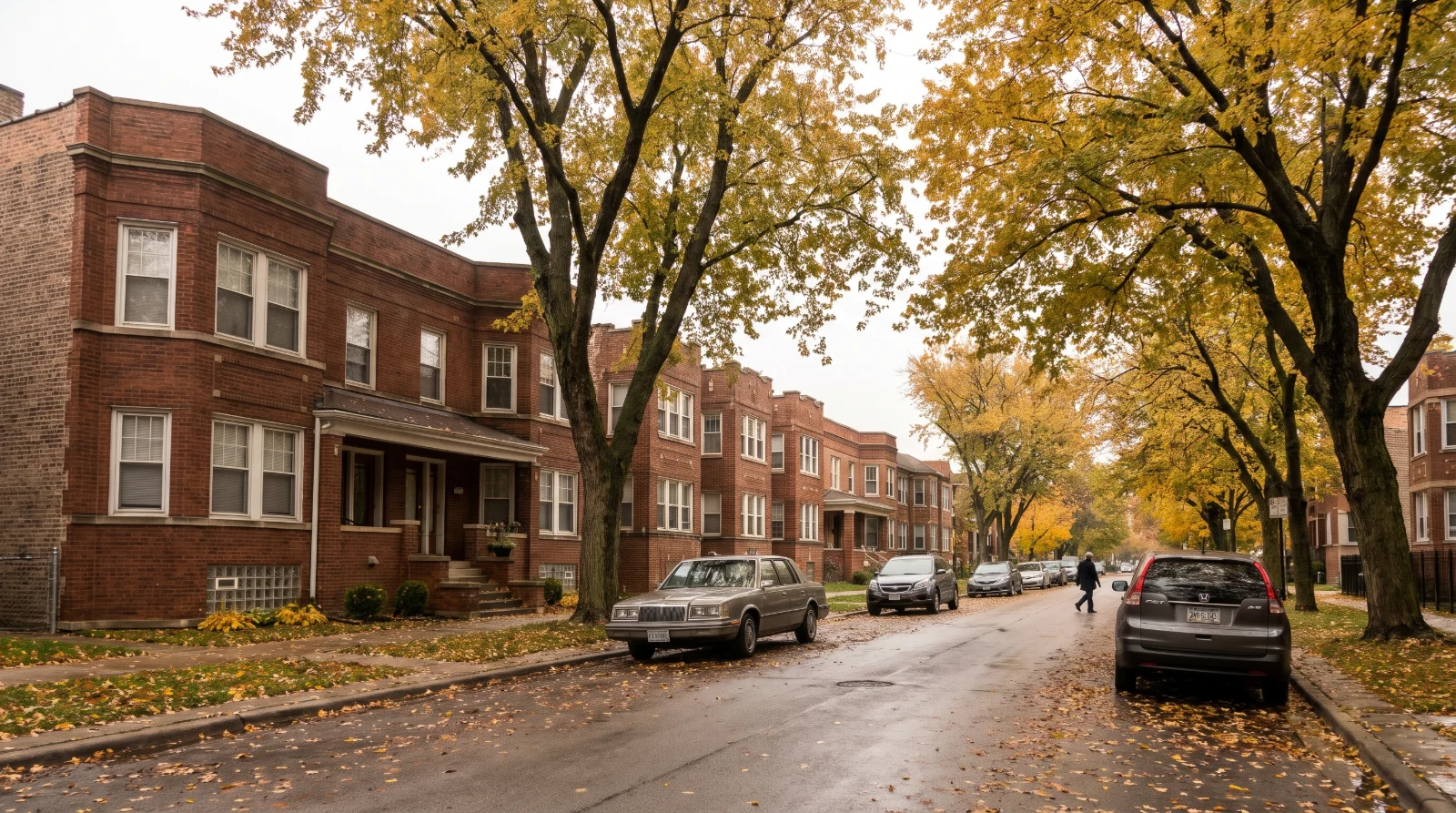
Most Chicago houses and two flats built before 1986 were required to have lead service lines.
The Partial Replacement Ban
Illinois banned partial lead service line replacement in 2023. Partial replacement, where only the public portion of a line is replaced and the private portion is left in place, can disturb the remaining lead and temporarily raise lead levels in tap water. Under state law, both portions must be replaced together, and municipalities must get property owners’ permission to replace private portions. That is good for public health but adds complexity and cost, and requires coordination with each homeowner.
What a Chicago Replacement Involves
Because Chicago service lines are often deep, to protect them from frost, and run under parkways, sidewalks and sometimes long front yards, replacement can be more involved than in some other cities. A typical project begins with an inspection and homeowner agreement. Crews locate the connection at the water main under the street and the entry point in the basement. Depending on conditions, they may excavate along the line or use trenchless methods to pull a new copper line through. In the basement, a plumber connects the new line, often installing a new shutoff valve and meter setting, and replaces any lead or galvanized connectors. The street, parkway and sidewalk are restored. Afterward, the household flushes its plumbing as instructed, and many programs provide a filter for several months, because replacement can temporarily disturb lead particles.
Renters and Landlords
Many Chicagoans live in two flats and multi unit buildings, where the property owner, not the tenant, controls replacement decisions. Renters who are concerned can request a free lead test from the city, ask their landlord whether the building has a lead line and whether replacement is planned, and use a certified filter in the meantime. Landlords should review the city inventory, notify tenants as required, apply for available programs and plan replacement, especially in buildings with young children. Clear communication between landlords and tenants makes the process smoother and protects everyone’s health.
What Chicago Homeowners Should Do
Find out if you have a lead line. Chicago and many other utilities publish service line inventories. If your home was built before 1986, assume it may have lead until confirmed otherwise. A plumber can inspect the pipe where it enters your basement; lead is dull gray, soft, turns shiny when scratched and is not magnetic. A professional plumbing inspection provides certainty.
Apply for city programs. Chicago offers free replacement for qualifying households and other programs that may reduce costs. Check eligibility directly with the city, and see our plumbing rebates page for programs elsewhere.
Consider private replacement. Some homeowners choose to replace their lines themselves through a licensed plumber, coordinating with the city on the public portion and permits. Get multiple quotes, compare scope carefully and check our plumbing cost guide. An experienced water line replacement contractor can explain options.
Reduce exposure now. Use a filter certified to NSF/ANSI 53 for lead reduction for drinking and cooking water, and replace cartridges on schedule. Our water filtration pros can help. Use cold water for drinking and cooking, flush taps after water sits and clean aerators.
Test your water. Chicago offers free lead testing kits. Test periodically, especially if you have young children or someone in the home is pregnant.
Check interior plumbing. Older homes may also have galvanized pipes or lead solder. If you are replacing the service line, consider whether repiping makes sense.
Lessons for Other Cities
Chicago’s experience offers lessons for cities across North America. Detroit, Milwaukee, Cleveland, Newark and many others have their own large inventories, and Canadian cities face similar work, as we covered in lead pipes in Canadian homes. Cities that have moved fastest have often used standardized contracts, neighborhood by neighborhood replacement, trenchless techniques where possible and aggressive outreach to secure homeowner permission. We tracked national progress in lead service line replacement accelerates and in lead pipe replacement reaches a turning point. Cost transparency matters too: publishing per line costs and comparing them with peer cities helps taxpayers and leaders find savings.
A Huge Opportunity for Plumbers
Replacing 400,000 lead lines in one city alone represents decades of work for plumbers, excavation crews and utility workers. Programs that train local residents, including apprenticeships in neighborhoods most affected by lead, can turn a public health crisis into a pathway to good careers. National environmental groups have argued that Chicago’s lead pipe program could be a major engine for local employment if designed with that goal in mind. It is honest, essential work that protects children.
Our Warning: Lead Line Scams
Where there is public money and public worry, scammers follow. Be cautious of anyone who knocks on your door claiming to represent the city and demanding payment, or contractors who pressure you to sign immediately. Verify programs directly with the city. Make sure any contractor is licensed, insured and pulls proper permits, and that the work includes full replacement in compliance with state law.
Our Take
We believe Chicago can do this, and must. The city has world class engineers, a skilled plumbing workforce and strong advocacy from residents and community groups. The questions raised in 2026 about cost and pace are healthy, because accountability will help the program work better. Lowering per line costs, speeding up notifications and permissions, and expanding local hiring would let the city replace far more lines with the same money. Every lead line removed is one fewer source of exposure for a Chicago child, and one more family that can drink from the tap with confidence. That is a goal worth getting right, and worth getting done.
How Best Plumbers Helps
Best Plumbers has been the Internet's original plumbing directory since July 12, 2002, and the most trusted. We list every plumbing company and show every review, good and bad, and our Best Plumbers Recommended seal marks those we trust most. We never sell leads. Find licensed plumbers experienced in lead line replacement through our locations directory and read the reviews.
The Short Version
Chicago has more than 400,000 lead service lines, the most of any U.S. city, because its building code required lead until 1986. Replacement has been slow, and Chicago pays roughly 31,000 to 34,000 dollars per line, far more than suburbs and other big cities, for a potential total near 12 billion dollars. Illinois bans partial replacement and gives Chicago until 2077. Homeowners should check their lines, apply for programs, use certified filters, test water and hire licensed plumbers for replacement.
Frequently Asked Questions About Chicago’s Lead Pipes
1. How many lead service lines does Chicago have?
More than 400,000, the most of any U.S. city.
2. Why does Chicago have so many?
Its building code required lead service lines until the 1986 federal ban.
3. How much does replacement cost in Chicago?
Roughly 31,000 to 34,000 dollars per line, according to city and news reports.
4. How does that compare with suburbs?
Nearby suburbs pay less than half, according to an Axios analysis.
5. What is the total estimated cost?
About 12 billion dollars over roughly two decades at current rates.
6. How much progress has been made?
Less than 4 percent of lines were replaced in the first five years, per city testimony in 2025.
7. What is Chicago’s deadline?
Illinois law gives Chicago until 2077.
8. What is partial replacement?
Replacing only part of a lead line, which Illinois banned in 2023.
9. Why was partial replacement banned?
It can disturb lead and temporarily raise levels in tap water.
10. Does the city need my permission?
Yes, to replace the private portion of the line.
11. Are there free replacement programs?
Yes, for qualifying households and daycare centers. Check eligibility with the city.
12. How can I tell if I have a lead line?
Check the city inventory and inspect the pipe entering your basement.
13. What filter removes lead?
One certified to NSF/ANSI 53 for lead reduction.
14. Does Chicago offer free water testing?
Yes. Free lead test kits are available.
15. Should I use hot water for cooking?
No. Use cold water, which picks up less lead.
16. Why are Chicago costs higher?
Officials cite deep lines and restoration; critics question contracting and program design.
17. Can I hire my own plumber?
Yes, coordinating with the city on permits and the public portion.
18. Do other cities face similar challenges?
Yes, including Detroit, Milwaukee, Cleveland and Newark.
19. Could replacement create jobs?
Yes. It represents decades of skilled work.
20. Is there federal funding?
Yes, through federal loans and grants, though timelines and amounts vary.
21. Are interior pipes a concern?
Older homes may have galvanized pipe or lead solder worth evaluating.
22. How do I avoid scams?
Verify programs with the city and use licensed, insured contractors.
23. Who is most at risk from lead?
Young children and pregnant women.
24. How do I find a trusted plumber in Chicago?
Search Best Plumbers, read every review, look for the Best Plumbers Recommended seal and confirm licensing.
25. Why does Best Plumbers cover Chicago’s lead pipes?
Since 2002, Best Plumbers has advocated for safe drinking water and the plumbers who deliver it.
Sources
WBEZ, why is it so expensive to replace lead pipes in Chicago. Axios Chicago, suburbs pay less for lead line removal and no plan to reduce removal charges. WTTW, less than 4 percent replaced in five years. NRDC, replace the pipes, invest in people.

