
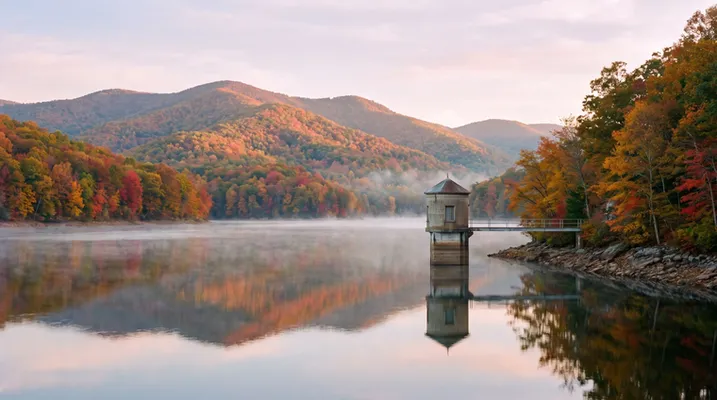
When Tropical Storm Helene tore through western North Carolina in September 2024, it did not just flood homes and wash out roads. It knocked out the water system of Asheville, a city of more than 90,000 people, leaving roughly 160,000 customers across the region without safe drinking water for weeks and the full system disrupted for 53 days. Two years later, the city has entered what officials call the long game. FEMA approved a 25 million dollar upgrade in 2026, but Asheville estimates it needs about 260 million dollars more, including a 125 million dollar pretreatment system and a 135 million dollar backup transmission line, to be ready for the next disaster. Asheville’s story is a warning and a lesson for every town, and for every household.
By the Best Plumbers Editorial Team. Published November 22, 2026.
Most of us never think about where our water comes from until it stops. In Asheville, it stopped. Families hauled water from distribution sites in buckets and jugs to flush toilets. Restaurants and breweries, the lifeblood of the city’s economy, closed or improvised. Hospitals and nursing homes scrambled. People learned, the hard way, how much modern life depends on pipes that work.
We have written about disaster recovery before, after the Los Angeles fires and after floods in many places. Asheville’s experience stands out because it shows how a water system can fail even when its most visible infrastructure survives.
The Dam Held. The System Did Not.
Asheville gets about 70 percent of its water from the North Fork reservoir in the mountains northeast of the city. During Helene, a fusegate on the dam’s spillway, a structure designed to tip over when water rises too high and release floodwater safely, did exactly what it was designed to do. The dam held.
But two other things went wrong. First, the storm washed enormous amounts of sediment into the reservoirs, turning the water so muddy that the treatment plants could not handle it. Local reporting said turbidity, the measure of cloudiness, spiked far beyond what the system could treat. Asheville’s plants used direct filtration without separate pretreatment basins, an approach that works well for normally clean mountain water but cannot cope with extremely turbid water. City officials said Asheville was the only system in North Carolina relying on direct filtration. Second, floodwaters washed out the 36 inch bypass line that carried water from North Fork into the city, as well as other major pipes, so even treated water could not reach customers.
FEMA set up temporary pretreatment systems to settle sediment before water reached the filters, and crews worked around the clock to repair broken mains. Water service returned in stages, with full potable service restored after 53 days. The temporary pretreatment systems stopped operating in November 2025 when FEMA operating funds ended and were removed in early 2026.
Two Years Later: What Has Been Fixed
A great deal of work has been done. Debris has been cleared from reservoirs. The city council approved nearly a million dollars to replace the North Fork fusegate and repair spillway damage. Broken mains have been repaired, and the city has secured additional state and federal funding for recovery. In 2026, FEMA approved a 25 million dollar water upgrade, and the city is designing a permanent pretreatment system for North Fork that would add plate settlers and sediment basins to remove mud before water reaches the filters.
The city is also planning a new transmission main from North Fork, routed at a higher elevation and farther from the river corridor, to add redundancy so that a single washout cannot cut off most of the city again. Officials have noted that installing a water line over several miles of mountain terrain takes time, and there is no shortcut.
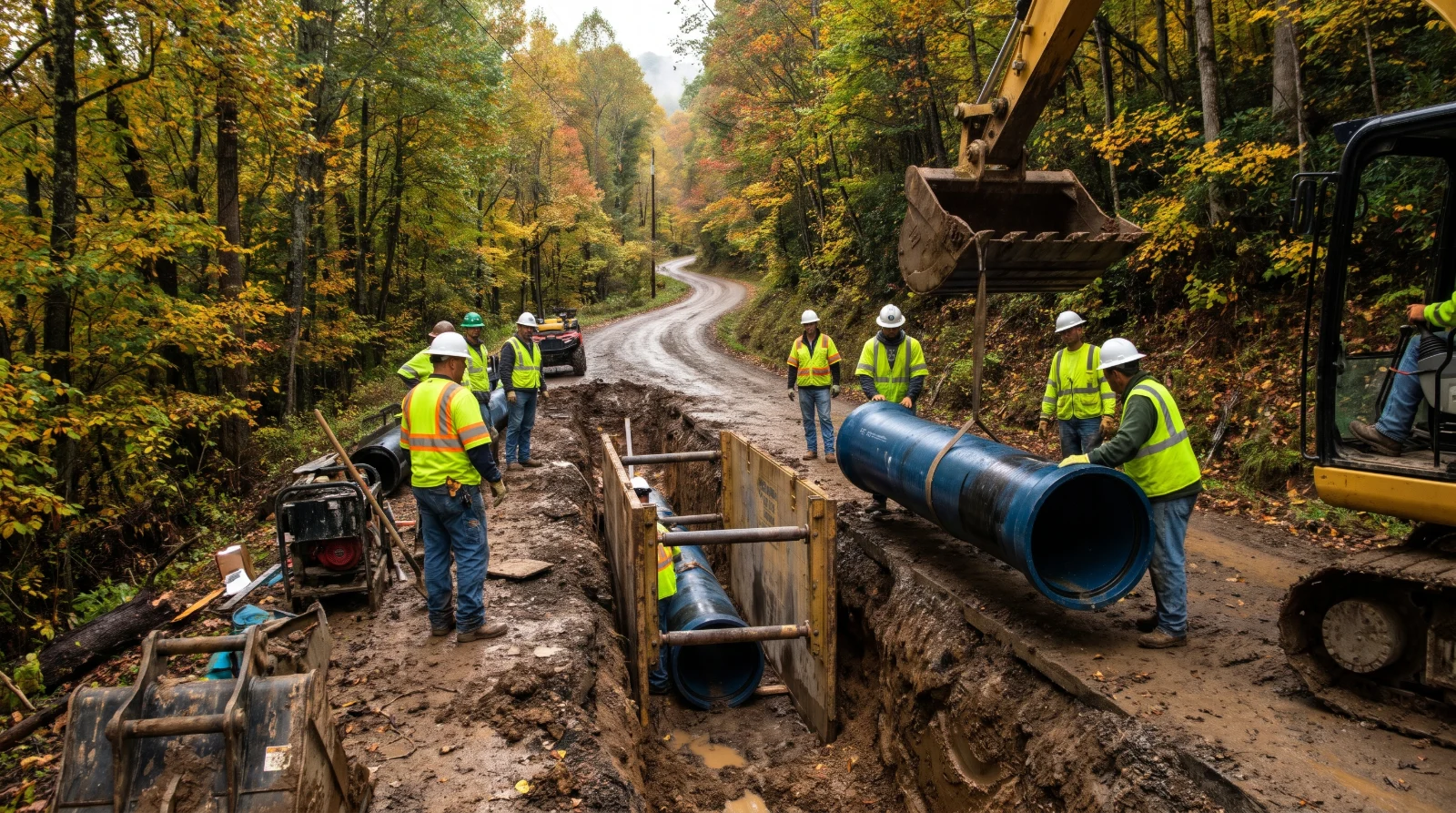
Redundant transmission mains routed away from flood prone corridors are a key part of making water systems resilient.
What Still Is Not Fixed
Here is the sobering part. According to reporting by public radio in North Carolina, North Fork needs two major upgrades: a pretreatment system estimated at about 125 million dollars and an alternate bypass line at about 135 million dollars. Beyond the FEMA approval, the city needs roughly 260 million dollars more to be fully prepared for the next disaster. Officials have said the improvements already under way significantly increase the system’s capacity and flexibility, but they have stopped short of guaranteeing that a storm like Helene could not cause another outage. Funding the full program will depend on federal, state and local decisions in the years ahead.
Why Mountain Towns Face Special Risks
Asheville’s geography made Helene especially destructive. Steep slopes channel rain into narrow valleys, where rivers rise with frightening speed. Roads, rail lines and pipelines often share those same valley floors because they are the only flat ground available, which means a single flood can take out transportation, power and water at once. Landslides add another hazard, burying or snapping pipes on hillsides. Many small mountain communities depend on a single source and a single plant, with little or no connection to neighboring systems. Rural households often rely on private wells and septic systems, which floods can contaminate or wash out entirely. And repair crews must reach damaged pipes over roads that may themselves be destroyed. All of this argues for planning that assumes the worst: storing spare pipe and fittings locally, pre arranging mutual aid with other utilities, mapping critical pipes in flood zones and moving them to higher ground when they are replaced.
The Human Side of a Water Outage
Statistics do not capture what weeks without water feel like. People with disabilities and older residents struggled to carry heavy jugs. Parents worried about bathing babies and washing bottles. Small businesses that depend on water, from restaurants to hair salons to breweries, lost income for weeks, and some never reopened. Schools closed. Hospitals trucked in water and made heroic adjustments to keep patients safe. Volunteers set up showers and laundry stations. For many residents, the experience changed how they think about something they had always taken for granted. If there is one lesson we hope every reader takes from Asheville, it is that safe, reliable running water is not a given. It is the product of constant investment, skilled work and planning, and it is worth protecting.
Lessons for Every Water System
You do not need to live in the mountains to learn from Asheville. Every community’s water system has single points of failure, and many are aging. We have written about the age of these systems in the age of drinking water pipes and about winter failures in record water main breaks. Here are the lessons we take from Asheville.
Redundancy matters. A system that depends on one pipe, one plant or one source can fail completely when that element fails. Backup transmission lines, interconnections with neighboring systems and multiple sources buy resilience.
Design for the extreme, not the average. Asheville’s treatment approach worked beautifully for decades of clean mountain water. It could not handle a once in centuries storm. Climate change is making extreme events more common.
Watersheds are infrastructure. Forests, slopes and streams that feed a reservoir determine how much sediment arrives in a storm. Protecting watersheds protects water supplies.
Plan for recovery, not just prevention. Temporary treatment, emergency distribution, mutual aid agreements and spare parts can shorten outages dramatically.
Invest before disaster. Upgrades cost far more after a crisis, when costs include lost business, emergency response and human suffering.
What Households Learned
Asheville residents learned practical lessons that every household should take to heart, whether they face hurricanes, earthquakes, ice storms, wildfires or simply a major water main break.
Store water. Emergency planners commonly recommend at least one gallon per person per day for several days, and more for pets, hot climates and medical needs. Rotate stored water periodically. In Asheville, the outage lasted weeks, far longer than typical recommendations assume.
Plan for toilets. When the taps stop, flushing is one of the first problems. A bucket of water poured into the bowl will flush most toilets. Rain barrels, pool water and creek water can serve for flushing, though not drinking.
Know your water heater. A tank water heater holds a reserve of 40 to 80 gallons of water that can be drained for emergency use. Turn off power or gas to the heater first, close the cold water inlet valve and let the water cool before draining from the bottom valve.
Have a way to treat water. Boiling, approved disinfection tablets and certified portable filters can make questionable water safer. Follow official advisories.
Protect your plumbing when service returns. After a long outage, utilities usually issue flushing instructions. Pressure surges and sediment can damage fixtures and clog aerators and filters. If you have whole house water filtration, replace cartridges after the system is restored.
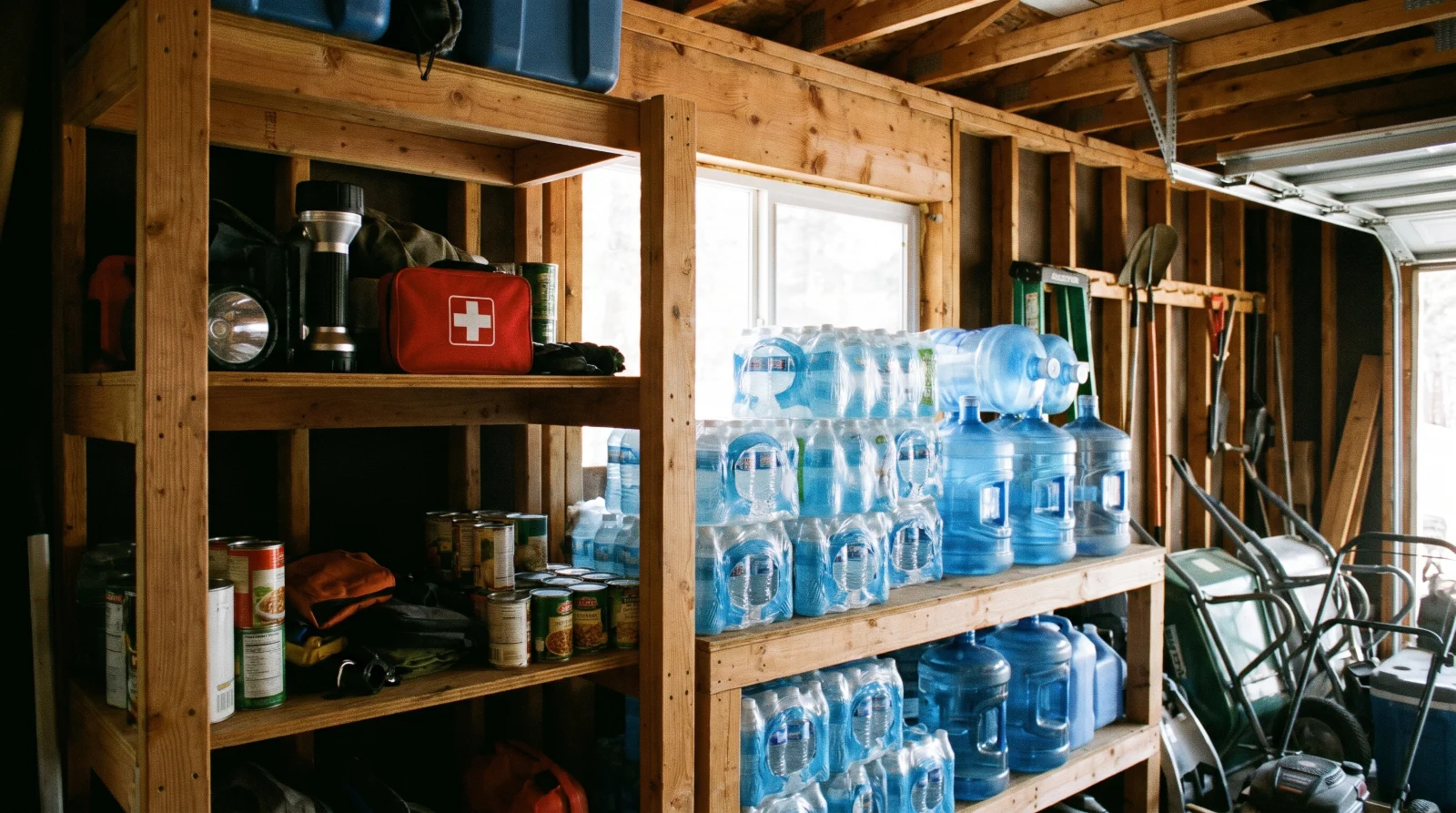
Asheville’s outage lasted far longer than most emergency plans assume. Storing water and planning for toilets makes a huge difference.
A Checklist for Water System Resilience at Home
Here is a simple checklist we would encourage every household to complete this winter. Know where your main shutoff valve is and make sure it turns. Label it. Store at least a week of drinking water and rotate it. Keep a few buckets and a supply of heavy duty trash bags for sanitation. Learn how to drain your water heater safely. Keep a certified portable filter or disinfection tablets in your emergency kit. Save your utility’s alert number and sign up for notifications. If you have a well, know how to disinfect it after flooding. And keep the name of a trusted local plumber handy before you need one.
When Floodwater Reaches Your Home
Helene also flooded thousands of homes and businesses, contaminating private wells, overwhelming septic systems and soaking basements. If your home floods, shut off power and water if it is safe, document the damage, and call for professional flood cleanup and water damage restoration quickly to limit mold. Private wells and septic systems need special care after floods, which we covered in after the flood. Rebuilding offers a chance to make better plumbing choices, as we discussed in rebuilding after the Los Angeles fires.
Damaged service lines are common after disasters as ground shifts and floods scour soil. If your water line was damaged, a licensed plumber can handle main water line repair. For urgent problems, find an emergency plumber.
A Salute to Asheville’s Water Workers
During those 53 days, Asheville’s water workers, along with crews from across North Carolina and other states, worked in brutal conditions to restore service. They repaired mains in washed out ravines, cleaned debris from reservoirs and operated temporary treatment systems. Plumbers helped residents with damaged homes, broken pipes and failed water heaters. Volunteers distributed water. It was the plumbing and water community at its best, and they deserve our thanks.
Our Warning: Disaster Contractor Scams
After every disaster, unlicensed contractors and outright scammers descend on affected areas. North Carolina officials warned residents after Helene to verify licenses, avoid large upfront payments and get written contracts. If you are recovering from a disaster, check licenses with your state board, get multiple quotes, never pay in full before work is done and be skeptical of anyone who shows up uninvited with a too good to be true offer.
How Best Plumbers Helps
Best Plumbers has been the Internet's original plumbing directory since July 12, 2002, and the most trusted. We list every plumbing company and show every review, good and bad, and our Best Plumbers Recommended seal marks those we trust most. We never sell leads. After a disaster or before one, find licensed plumbers through our locations directory and read the reviews.
The Short Version
Helene left Asheville’s water system disrupted for 53 days in 2024 because sediment overwhelmed treatment plants without pretreatment and floods washed out a critical transmission line. Two years later, repairs are well under way and FEMA approved 25 million dollars, but the city needs about 260 million dollars more for permanent pretreatment and a backup line. Every community should invest in redundancy and resilience, and every household should store water, plan for toilets, know how to use the water heater reserve and hire licensed contractors after disasters.
Frequently Asked Questions About Asheville’s Water System After Helene
1. How long was Asheville without water?
The water system was disrupted for 53 days, with service restored in stages.
2. How many customers lost safe water?
Roughly 160,000 customers lacked potable water for weeks.
3. Did the North Fork dam fail?
No. The dam held, and its fusegate worked as designed.
4. Why did the water system fail?
Sediment made water too turbid to treat, and floods washed out a key transmission line.
5. What is turbidity?
A measure of water cloudiness caused by suspended particles.
6. What is direct filtration?
A treatment approach without separate settling basins, effective for clean water but not very muddy water.
7. What is a pretreatment system?
Settling basins and plate settlers that remove sediment before filtration.
8. How much has FEMA approved?
About 25 million dollars for a water upgrade in 2026.
9. How much more does Asheville need?
About 260 million dollars, including pretreatment and a backup bypass line.
10. What happened to the temporary FEMA system?
It stopped operating in November 2025 and was removed in early 2026.
11. What is a fusegate?
A spillway gate designed to tip and release floodwater when the reservoir rises too high.
12. Why is redundancy important?
Backup lines and sources keep water flowing when one element fails.
13. How much water should I store?
At least one gallon per person per day for several days, more for longer outages.
14. How do I flush a toilet without running water?
Pour a bucket of water quickly into the bowl.
15. Can I use my water heater in an emergency?
Yes. Turn off power or gas, close the inlet and drain cooled water from the bottom valve.
16. How do I make water safer to drink?
Boil it, use approved disinfection tablets or certified filters, and follow advisories.
17. What should I do when water service returns?
Follow utility flushing instructions and replace filter cartridges.
18. Are private wells affected by floods?
Yes. Flooded wells should be disinfected and tested before use.
19. How do I avoid disaster contractor scams?
Verify licenses, avoid large upfront payments and get written contracts.
20. Is climate change making this more likely?
Scientists expect heavier rainfall events, increasing such risks.
21. Can other cities learn from Asheville?
Yes. Redundancy, pretreatment and watershed protection apply widely.
22. Who repaired Asheville’s system?
City water workers, crews from other utilities and contractors, with state and federal support.
23. Should I install a water filter after a disaster?
Certified filters can help, but follow official advisories first.
24. How do I find a trusted plumber after a disaster?
Search Best Plumbers, read every review, look for the Best Plumbers Recommended seal and confirm licensing.
25. Why does Best Plumbers cover disaster recovery?
Since 2002, Best Plumbers has helped communities rebuild safely and honored the workers who restore water.
Sources
WFAE, FEMA approved a 25 million dollar water upgrade for Asheville. WLOS, two years after Helene at North Fork. WHQR, Asheville to stop using FEMA water system. City of Asheville, water recovery projects.

