
Natural gas heats tens of millions of homes safely every day. But when gas escapes underground and migrates into a building, the results can be catastrophic. In 2026, the National Transportation Safety Board, the federal agency that investigates pipeline accidents, opened investigations into a series of natural gas fueled explosions: a home destroyed in Centreville, Virginia, in February; a home in San Antonio, Texas, in April that left three residents seriously injured; and an apartment building in Dallas in May that killed three people. The board also released final reports on earlier explosions, concluding in one case that a utility had failed to promptly repair underground leaks it had already found and noting that natural gas alarms inside the homes might have warned occupants to get out. Here is what investigators found, and the simple steps every household with gas should take.
By the Best Plumbers Editorial Team. Published November 23, 2026.
We have written about protecting homes from gas appliance hazards in carbon monoxide shutoff switches and about building gas piping inspections in New York City’s gas piping law. This article focuses on leaks that start outside the home and how to protect your family.
The 2026 Investigations
Centreville, Virginia. On the night of February 15, 2026, a natural gas fueled explosion and fire destroyed a home and injured two people, damaging several neighbouring homes and displacing dozens of families. According to the NTSB, responders detected gas in the ground near where a local distribution main crossed beneath large interstate transmission lines and in nearby yards. The leaking section of pipe was removed and sent to the NTSB’s materials laboratory. Local news reported that the utility found and repaired the source of the leak nine days later, and that crews checked each home’s gas piping before restoring service.
San Antonio, Texas. On April 21, 2026, a natural gas fueled explosion and fire damaged a home and seriously injured three residents, according to the NTSB.
Dallas, Texas. On May 28, 2026, an apartment building was destroyed in a natural gas fueled explosion and fire that killed three people and injured at least six others. The investigation involves federal and state pipeline regulators, the fire department and the gas utility.
These investigations remain open, and the NTSB will determine probable causes and issue safety recommendations. Nothing in early reporting should be read as a final finding of fault.

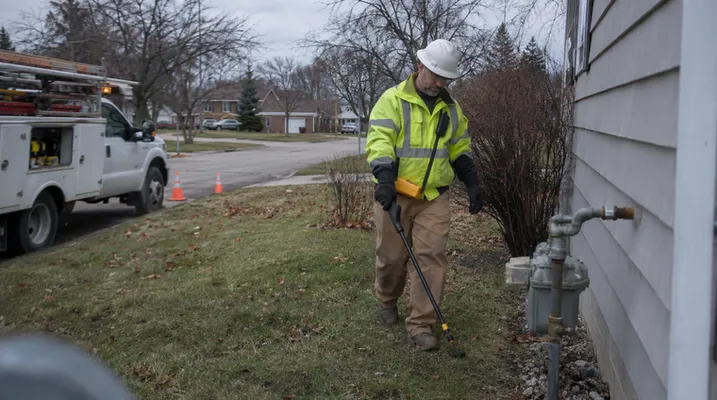
Utility technicians use sensitive detectors to trace gas migrating through soil after a leak is reported.
What Earlier Investigations Found
The NTSB released several final reports in 2026 on explosions from 2024, and their findings carry lessons for every utility and homeowner.
Unrepaired leaks in Mississippi. In March 2026, the NTSB said two explosions that destroyed homes in Jackson, Mississippi, happened after the gas utility failed to promptly repair underground leaks it had already identified. Investigators found that soil movement had loosened underground pipe connections and that the company’s safety programs did not adequately address aging pipelines or soil related hazards. The board noted that natural gas alarms inside the homes might have warned occupants to evacuate before the explosions, and issued eight safety recommendations.
Electrical fault in Maryland. In July 2026, the NTSB reported on an August 2024 explosion in Bel Air, Maryland, that killed two people. An underground electrical fault caused extreme heat, and a copper tracer wire running alongside a plastic gas service line heated the pipe and burned a hole in it, allowing gas to escape into the soil near the home. The board cited an ineffective response to reports of a suspected gas leak, which allowed the leak to go unrepaired for more than ten hours.
Valve damage in Louisiana. In May 2026, the NTSB concluded that a December 2024 home explosion in Avondale, Louisiana, resulted from gas migrating underground from a gas main that failed when a heavy truck drove over a valve.
Taken together, these reports point to a few recurring themes: aging pipe and loosened joints, damage from excavation or vehicles, unexpected interactions with other buried utilities and, too often, slow response to leaks or odour reports that had already been noticed. Each is preventable with good practice.
How Gas Gets Into Homes
When an underground gas line leaks, gas can travel through soil, along the outside of pipes and conduits and into basements, crawl spaces and wall cavities. It can migrate a surprising distance; in one Utah case investigated by the NTSB, gas was detected in the ground about 250 feet from the leak. Once gas accumulates inside a building and reaches the right concentration, any spark, from a light switch, appliance or doorbell, can ignite it. Because gas moves unseen underground, homeowners may not smell it until it is already inside.
What to Do If You Smell Gas
Natural gas is odourless, so utilities add a chemical called mercaptan that smells like rotten eggs or sulphur. If you smell it:
1. Leave immediately and calmly. Get everyone, including pets, out of the building and away from it.
2. Do not create sparks. Do not switch lights on or off, use phones inside, start cars in an attached garage, ring doorbells or light anything.
3. Call from a safe distance. Once outside and well away, call your emergency number and your gas utility’s emergency line.
4. Do not go back in until responders say it is safe, even to grab belongings.
5. Warn neighbours if the smell is outdoors or widespread, and keep people and cars away from the area until crews arrive.
Never assume someone else has reported a gas smell. Utilities would rather respond to a false alarm than miss a real leak.
Why Natural Gas Alarms Matter
Smoke alarms and carbon monoxide alarms are common, but natural gas alarms are not, even though investigators have repeatedly pointed to their potential to save lives. A residential methane detector sounds when gas reaches a fraction of the level at which it can ignite, giving occupants time to escape, even if they are asleep or cannot smell the odourant. Some people have a reduced sense of smell, and odourant can fade as gas passes through soil. Look for detectors listed to recognised standards for residential gas alarms, follow the maker’s placement instructions (methane rises, so natural gas detectors are usually mounted high) and replace them at the end of their rated life. Carbon monoxide alarms do not detect natural gas, so homes with gas appliances benefit from both. Our plumbing products page can help you compare safety devices.

Residential natural gas alarms give early warning when gas reaches dangerous levels indoors.
Gas Safety Inside Your Home
Use licensed professionals. Gas piping and appliance connections must be installed and repaired by qualified, licensed professionals with permits and pressure testing. See our gas line installation and repair page and why licensing matters.
Check appliance connectors. Old uncoated brass flexible connectors behind ranges, dryers and water heaters can crack. Replace them with modern coated connectors.
Service appliances. Furnaces, boilers and gas water heaters should be inspected regularly; a professional water heater service checks venting and burners.
Consider seismic or excess flow protection. In earthquake country, automatic seismic gas shutoff valves stop gas after strong shaking. Many utilities install excess flow valves on service lines that close if a line is severed.
Inspect before buying. A thorough plumbing inspection should include gas piping, connectors and venting.
Outside the Home
Call before you dig. In the United States, dial 811 or use your state’s online system several days before any digging so utilities can mark buried lines. Excavation damage is a leading cause of gas line failures.
Know your meter and service line. Keep the meter clear of snow, ice and vegetation, and do not park or drive heavy equipment over buried lines or valves.
Report damage. If a contractor or anyone hits a gas line, even if it seems minor, everyone should leave and call the utility.
Watch for warning signs. Dead patches of vegetation, bubbling in puddles or a hissing sound near a gas line can indicate a leak.
Be alert after electrical problems. As the Maryland case showed, underground electrical faults can damage nearby gas lines. Report flickering power or burning smells near buried utilities.
If an Emergency Happens
If a gas emergency disrupts your service, utilities must check and relight appliances safely before gas is restored. Do not try to turn gas back on yourself. If your home was damaged, a licensed plumber or gas fitter may need to repair and pressure test piping before service resumes; our emergency plumbing service page explains how to find help fast, and our plumbing cost guide shows typical costs.
Apartments and Multifamily Buildings
The Dallas tragedy is a reminder that gas risks are magnified in apartment buildings, where many households share piping, meters and walls. Building owners should have gas piping inspected periodically, keep meter rooms accessible and ventilated, install gas and carbon monoxide alarms in common areas and units where appropriate and make sure residents know evacuation routes and how to report a gas smell. Tenants should report odours immediately to both the landlord and the gas utility, and never assume the smell is someone else’s problem. Some cities, like New York, now require regular gas piping inspections in many buildings.
Gas Safety Around the World
Different countries approach gas safety in different ways. In Great Britain, anyone working on gas appliances must be on the Gas Safe Register, and landlords must arrange annual gas safety checks. In Australia and New Zealand, gas fitting is a licensed trade with certificates of compliance. Across Europe, many countries require regular inspections of gas installations. The common thread is that gas work should be done only by qualified people, and that early detection and fast response save lives.
Teach the Whole Family
Children and older relatives should know what gas smells like and what to do. Practise a simple plan: if anyone smells rotten eggs, everyone leaves the house, goes to a meeting spot and calls for help from outside. Make sure babysitters and house guests know too.
A Fair Debate
Safety advocates and some investigators argue that natural gas alarms should be required in homes, as smoke and carbon monoxide alarms are in many places, and that utilities should face stricter deadlines for repairing known leaks and replacing aging pipe. Utilities and some regulators respond that gas delivery has an excellent overall safety record, that many leaks are minor and prioritised by risk and that new mandates bring costs passed on to customers. Others focus on electrification as a long term way to reduce gas risks, while many consumers value gas for cooking, heating and reliability. Reasonable people differ on policy, but nearly everyone agrees that known leaks should be fixed promptly and that early warning saves lives.
A Salute to Gas Technicians and First Responders
Gas utility technicians, firefighters and plumbers run toward danger when others flee, isolating leaks, evacuating neighbourhoods and making homes safe again. Licensed gas fitters and plumbers install and test the piping that keeps families safe every day. We salute them.
Our Take
Natural gas explosions are rare, but they are devastating, and 2026 brought too many. The lessons are clear: utilities must find and fix leaks quickly and manage aging pipes and soil hazards; homeowners should know the smell of gas and what to do, call before digging and install natural gas alarms alongside smoke and carbon monoxide alarms. A small device on the wall could be the difference between a scary night and a tragedy.
How Best Plumbers Helps
Best Plumbers has been the Internet’s original plumbing directory since July 12, 2002, and the most trusted. We list every plumbing company and show every review, good and bad, and our Best Plumbers Recommended seal marks those we trust most. We never sell leads. Find licensed gas line professionals through our locations directory and read the reviews before you hire.
The Short Version
In 2026 the NTSB investigated natural gas explosions in Centreville, San Antonio and Dallas, and found in earlier cases that unrepaired leaks, soil movement, an underground electrical fault and valve damage led to explosions. Gas can migrate through soil into homes. If you smell gas, leave, avoid sparks and call from outside. Install natural gas alarms, call 811 before digging, use licensed professionals and service appliances.
Frequently Asked Questions About Gas Leaks and Explosions
1. Who investigates gas explosions?
The National Transportation Safety Board investigates major pipeline accidents.
2. Where did 2026 explosions occur?
Investigations included Centreville, San Antonio and Dallas.
3. What caused the Mississippi explosions?
The NTSB said known underground leaks were not promptly repaired.
4. What caused the Maryland explosion?
An electrical fault heated a tracer wire that damaged a plastic gas line.
5. What caused the Louisiana explosion?
A gas main failed after a heavy truck drove over a valve.
6. Can gas travel underground into a house?
Yes, it can migrate through soil a long way.
7. What does natural gas smell like?
Rotten eggs or sulphur, from an added odourant.
8. What should I do if I smell gas?
Leave, avoid sparks and call from a safe distance.
9. Can I use my phone inside?
No, call once you are outside and away.
10. What is a natural gas alarm?
A detector that sounds when methane reaches dangerous levels.
11. Do CO alarms detect natural gas?
No, you need a separate natural gas alarm.
12. Where should a gas alarm go?
Usually high on a wall, per the maker’s instructions.
13. Why can’t I always smell gas?
Odourant can fade in soil, and some people have reduced smell.
14. What is 811?
The US call before you dig number for marking buried lines.
15. Are old appliance connectors dangerous?
Uncoated brass connectors can crack and should be replaced.
16. What is an excess flow valve?
A device that shuts off gas if a service line is severed.
17. What is a seismic shutoff valve?
A valve that stops gas after strong shaking.
18. Who can work on gas lines?
Licensed, qualified professionals with permits.
19. Can I relight appliances after an outage?
Let the utility or a professional check and relight them.
20. What are outdoor leak signs?
Dead vegetation, bubbling water or hissing near gas lines.
21. Should gas alarms be required?
Some advocate it; others cite costs. It is debated.
22. Are gas explosions common?
They are rare but can be devastating.
23. Should home inspections include gas?
Yes, piping, connectors and venting should be checked.
24. How do I find a licensed gas line pro?
Search Best Plumbers, read every review and look for the Best Plumbers Recommended seal.
25. Why does Best Plumbers cover gas safety?
Because plumbers install and protect the gas lines in our homes.
Sources
National Transportation Safety Board, Centreville explosion investigation, San Antonio investigation, Dallas investigation, Mississippi findings and Utah report. Transportation Research Board, Louisiana report summary and Maryland report summary. WTOP, leak found after Centreville explosion.

