
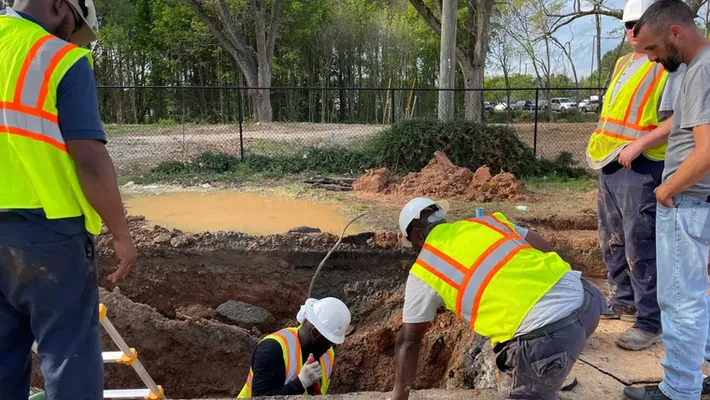
If you own a home, you have probably received one. An official looking letter, sometimes printed with your city's or water utility's logo, warning that you are responsible for the water and sewer lines on your property and offering a protection plan for a few dollars a month. With water main breaks in the news almost every week this November, these mailers are landing on kitchen tables at exactly the moment people are nervous about their pipes. Are service line warranties worth it? The honest answer is sometimes. Here is how to decide, from people who have spent more than two decades around the plumbers who actually dig up those lines.
By the Best Plumbers Editorial Team. Published November 24, 2026.
Key Takeaways
- In most communities the homeowner, not the utility, owns the water line from the meter or curb stop to the house and the sewer lateral from the house to the main.
- Service line warranty programs are sold by private companies, often through partnerships with cities and utilities. HomeServe says it works with more than 1,300 utilities and municipalities.
- Claims data obtained by Consumers' Checkbook from one large Maryland program showed about 4,450 exterior water and sewer claims from 126,207 plans purchased.
- These plans can make sense for older homes with old pipe, big trees and long runs. They are less compelling for newer homes with modern materials.
- Read the coverage cap, exclusions, waiting period and who chooses the contractor before you sign. Whatever you decide, find a licensed local plumber you trust now.
Why the Mailers Are Everywhere Right Now
Water main breaks have dominated local news this month, with boil water notices in places from Rhode Island to Washington State to Florida. Every one of those stories reminds homeowners that pipes fail, and pipe failures are expensive. That fear is the fuel behind service line protection plans.
The plans themselves are not new. HomeServe, which describes itself as the largest provider of water and sewer service line repair plans in the U.S., says on its partnership site that it works with more than 1,300 utilities and municipalities, including through the National League of Cities Service Line Warranty Program. American Water Resources and other companies offer similar plans. Many utilities earn revenue from these partnerships, which helps explain why your city's logo may appear on the letter.
HomeServe says signing up is always optional and that partnership agreements let it use municipal logos to show the offer is legitimate. Critics, including the nonprofit consumer group Consumers' Checkbook, say the official look of these mailers can confuse homeowners into thinking a plan is required or that the utility itself is behind the coverage. Checkbook has been blunt, calling the programs a poor deal in its view. We think the truth sits in between, and the right answer depends on your house.
First, Know What You Own
This is the most important part of the whole article, and it is where many homeowners are surprised.
The water service line
In most U.S. communities the water utility owns the main in the street and usually the short connection to the curb stop or meter. From that point to your house, the line is typically yours. If it springs a leak in your front yard, you pay for the main water line repair. Some utilities own the meter and everything up to it, others draw the line elsewhere, and a few take more responsibility. Your water provider can tell you exactly where your responsibility begins.
The sewer lateral
Your sewer lateral is the pipe that carries everything from your house to the public sewer main. In many cities the homeowner owns the entire lateral, sometimes including the connection at the main in the middle of the street. That can mean digging up pavement, which is expensive. Again, local rules vary, so ask.
Interior plumbing
Everything inside the house, from the main shutoff valve to your fixtures, is yours. Some protection companies sell separate interior plumbing and water heater plans.
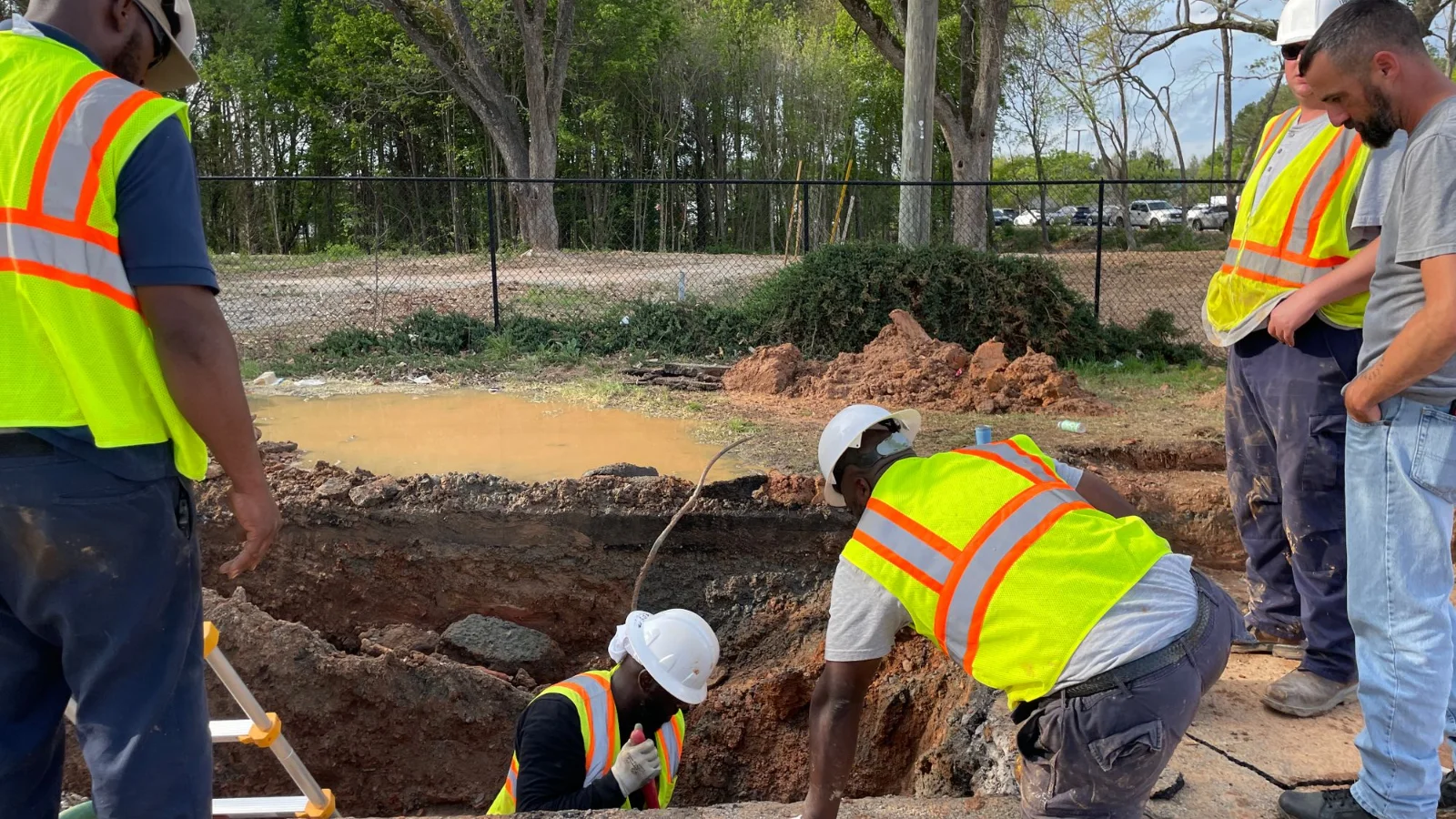
Excavating a service line is the expensive scenario these plans are built around. Photo via Pexels.
What These Plans Cost and What They Cover
Pricing varies by company and region, but plans are commonly sold for a modest monthly fee per line, with bundles for water, sewer and interior plumbing. A typical exterior plan covers repair or replacement of the covered line up to an annual or per incident limit. This Old House's 2026 review of HomeServe, for example, described an exterior plan with a $10,000 coverage limit and a separate cap for restoring the property above the line. Limits differ by plan and by partnership, so check yours.
What matters is what is in the fine print:
- Coverage cap. Is it per year or per repair? Does it include digging under a driveway, sidewalk or street, and permit fees?
- Restoration. Will they replace the concrete, landscaping and asphalt, or just backfill the hole with dirt?
- Exclusions. Pre-existing conditions, root intrusion, lines shared with neighbors, septic systems, and damage caused by others are common carve outs.
- Waiting period. Many plans will not pay for a problem that shows up in the first 30 days.
- Who does the work. The company usually dispatches a contractor from its network. You may not get to choose your own plumber.
- Repair method. Will they line or burst the pipe trenchlessly, or only dig and patch? Will they repair a section when the whole line is failing?
- Renewal and price increases. Monthly fees can rise. Read how and when.
What the Data Says
Hard numbers on claims are not easy to find, which is itself a reason to be careful. The best public look we have seen comes from Consumers' Checkbook. It obtained an internal memo on the Washington Suburban Sanitary Commission's partnership with HomeServe in Maryland showing about 4,450 exterior water and sewer claims from 126,207 plans purchased. Checkbook also reported that claims under that partnership averaged about $580 for sewer line repairs and $1,565 for water line repairs, while HomeServe's own website warned of average replacement costs of $2,585 for a water line and $3,389 for a sewer line.
Checkbook's review of San Francisco permits in 2019 found only 369 water or sewer line restorations or replacements out of the 112,115 single family homes the city's utility serves. On the other side of the ledger, HomeServe points to more than 400,000 water related repairs completed through the National League of Cities program over three years, and says that even a modest plan pays off for homeowners if a line fails decades from now.
In Iowa, an Axios Des Moines review found that Des Moines Water Works customers paid more than $2.6 million in HomeServe water line protection premiums in 2022, and that the coverage may in some cases have been an unnecessary expense. The Better Business Bureau profile for HomeServe USA lists 965 complaints over three years, many about denied or delayed claims. To be fair, a large company with millions of customers will collect complaints, and many customers report being glad they had coverage when a line failed. Read both kinds of reviews.
Put simply: most people who buy these plans will never file an exterior claim in a given year. Some will, and for them the plan can be a relief. That is how insurance works. The question is whether the price is fair for your particular risk.
Who Should Seriously Consider a Plan
As plumbing people, here is where we think a plan earns its keep:
- Older homes with old pipe. Clay, cast iron, Orangeburg or galvanized steel sewer and water lines have known failure modes. Homes built before about 1980 are the likeliest candidates.
- Big trees near the line. Roots find joints in old clay and cast iron sewers. If you have had roots cut out before, you will again. Check whether root damage is covered, because some plans exclude it.
- Long runs and deep lines. A house set far back from the street, or a sewer that connects to a deep main in the middle of a busy road, can cost far more to fix than average.
- Tight budgets. If a surprise $8,000 repair would be a financial disaster, a predictable monthly payment can be worth more to you than the math suggests.
- Cold climates. Frost heave and freeze damage add risk to shallow water lines.
Who probably does not need one
On the other hand, the math usually tilts against a plan in these situations:
- Newer homes with PVC sewers and copper, PE or PEX water services in good condition.
- Homes where a recent video pipe inspection showed a clean, well supported sewer.
- Owners who have already replaced or lined their lines.
- Households with a healthy emergency fund who would rather self insure.
The Smart Alternative: Know Your Pipes Before You Buy
Here is the move we recommend for anyone on the fence. Before you sign up for anything, spend a little to learn what you actually have.
- Get a sewer camera inspection. A licensed plumber runs a camera down the lateral, records the video and shows you roots, cracks, sags, offsets and pipe material. It is the single best predictor of whether your sewer is going to fail soon.
- Identify your water service material. Look where the line enters the house. Copper, plastic, galvanized steel or lead each tell a story. With the federal lead line inventories underway, your utility may already list your material.
- Check your water meter for leaks. With every fixture off, a moving leak indicator means water is escaping somewhere. Professional leak detection can find where.
- Price the real repair. Ask a local plumber what a sewer line replacement or water line replacement would cost at your house. Our plumbing cost guide gives you a starting point.
Armed with that information, the decision becomes simple arithmetic instead of a reaction to a scary letter. Some homeowners discover their sewer is in great shape and skip the plan. Others find it is about to fail and fix it properly now, often with trenchless pipe lining or bursting that avoids tearing up the yard.
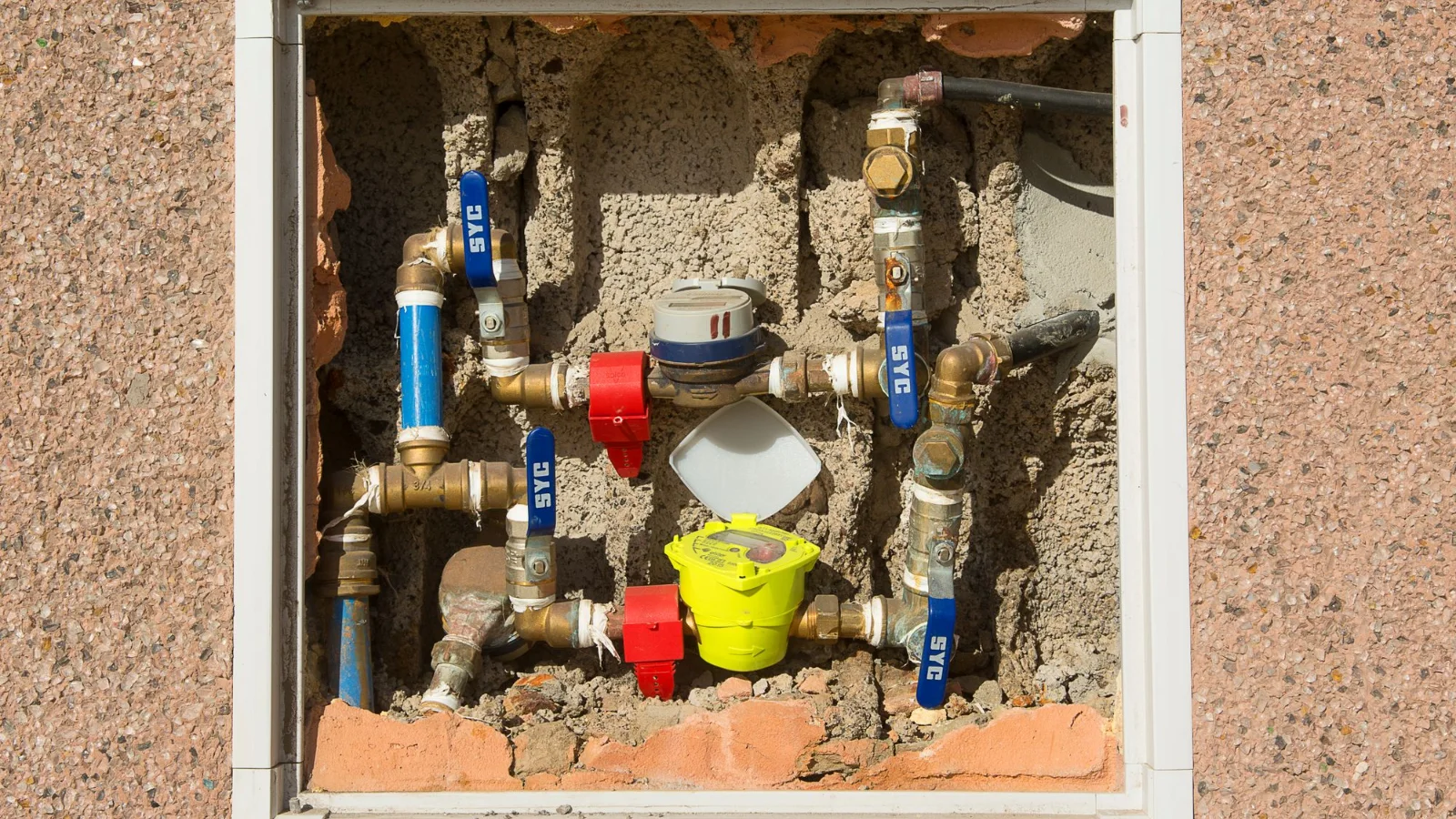
Where the utility's responsibility ends and yours begins is usually at the meter or curb stop. Photo via Pexels.
Three Houses, Three Different Answers
To make this concrete, here are three typical situations we hear about all the time. They are illustrations, not real customers, but any plumber reading this will recognize them.
The 1955 bungalow with the big maple. The sewer lateral is original clay tile. The maple in the front yard is seventy feet tall, and the owner has had roots augered out twice in five years. The water service is galvanized steel. This house is a textbook candidate for trouble. The owner has two good options: pay a modest monthly fee for a plan that clearly covers root intrusion and lateral replacement, or get a camera inspection and quote, then budget to line or replace the sewer on their own schedule. Doing nothing is the only bad option.
The 1998 two story in a subdivision. PVC sewer, copper water service, no big trees near the lines, and a camera inspection two years ago that showed a clean pipe. The chance of an exterior line failure in any given year is low. This owner will probably come out ahead by skipping the plan and keeping a healthy emergency fund.
The 1970s ranch on a busy street. The sewer runs forty feet to a deep main in the middle of a four lane road. Even a modest repair could involve traffic control, street cutting, permits and pavement restoration. Here the question is not just whether a plan pays but whether its coverage cap is high enough to matter. Many plans have limits that a street cut can blow through. This owner should read the contract carefully, ask the utility who owns which part of the line, and get a local plumber's estimate for the worst case.
Questions to Ask Before You Sign
Whether you are reading a mailer, a website or a contract, these questions cut through the marketing:
- Exactly which lines are covered, from where to where?
- What is the coverage limit per repair and per year, and does it include digging under pavement and permit fees?
- Is root damage covered? Are pre-existing conditions excluded, and how do you define them?
- How long is the waiting period before coverage starts?
- Who chooses the contractor, and are they licensed where I live?
- Will you line or replace a failing pipe, or only repair the section that broke?
- How and when can the monthly price change, and how do I cancel?
- Is my utility actually a partner, and does it receive any revenue from my plan?
A reputable company will answer all of these in writing. If the answers are vague, keep your money.
Red Flags in the Mailbox
Most service line plans are legitimate products. But scammers copy anything that works. Watch for these warning signs:
- Language implying the plan is mandatory or that service will be cut off without it.
- Pressure to decide immediately or "before the deadline."
- A request for payment by gift card, wire transfer or cryptocurrency.
- No clear company name, address or written contract.
- A phone number that does not match the one on your utility's official website.
If in doubt, call your water utility using the number on your bill and ask whether they partner with the company that wrote to you.
If You Already Have a Plan
Good. Make it work for you. Find your contract, note the claims number, coverage limits and exclusions, and keep them where your family can find them. When something goes wrong, call the plan first, because using your own plumber without approval may void coverage. If a claim is denied, ask for the reason in writing and the inspection video or photos. If you believe the denial is wrong, you can escalate with the company, your state attorney general or insurance regulator, and the utility partner.
And even with a plan, keep up with routine maintenance. Plans generally do not cover clogs caused by grease or wipes, and a professional drain cleaning or hydro jetting visit every few years can keep an older lateral flowing.
Our Take
We are cheerleaders for the plumbing trade and for homeowners, and we do not think the answer here is to bash anyone. Service line protection plans can be a sensible product for the right house. Utilities that partner with these companies often use the revenue for real infrastructure. And thousands of plumbers do honest work through these networks every day.
What we object to is fear driven selling and confusing mail. You deserve to make this decision with facts about your own pipes, not a scary graphic. Spend an afternoon learning what you have, get a straight quote from a licensed local plumber, and then decide.
That is what Best Plumbers is for. Search plumbers near me, read real reviews from homeowners, and check our plumbing coupons for camera inspection and drain specials from local companies. A trusted plumber who knows your house is the best protection plan there is.
Frequently Asked Questions
1. What is a service line warranty?
It is a protection plan, sold by a private company, that pays for repair or replacement of the water or sewer line on your property up to a coverage limit, usually for a monthly fee.
2. Am I responsible for the water line to my house?
In most U.S. communities, yes, from the meter or curb stop to the house. Your water utility can tell you exactly where its responsibility ends.
3. Am I responsible for my sewer line?
Usually you own the sewer lateral from the house to the public main, and in many cities that includes the connection at the main. Rules vary, so check locally.
4. Why does my city's logo appear on the warranty letter?
Many utilities and cities partner with warranty companies and allow use of their logos. HomeServe says it partners with more than 1,300 utilities and municipalities. The plans are still optional.
5. Are service line warranty plans required?
No. They are optional products. Be suspicious of any letter that implies coverage is mandatory.
6. How often do people actually file claims?
Data obtained by Consumers' Checkbook from one large Maryland program showed about 4,450 exterior water and sewer claims from 126,207 plans purchased.
7. How much do service line repairs cost?
It varies widely. HomeServe has cited average replacement costs of $2,585 for water lines and $3,389 for sewer lines, while deep sewers under streets can cost far more.
8. Who should consider buying a plan?
Owners of older homes with clay, cast iron, Orangeburg or galvanized pipe, big trees, long or deep lines, cold climates, or budgets that could not absorb a surprise repair.
9. Who probably does not need one?
Owners of newer homes with modern pipe in good condition, homes with recently replaced or lined lines, and people with a solid emergency fund.
10. What should I check in the fine print?
Coverage limits, whether digging under pavement and restoration are included, exclusions such as roots or pre-existing conditions, waiting periods, renewal terms and who chooses the contractor.
11. Do these plans cover tree root damage?
Some do and some do not. Root intrusion is a common exclusion, so read the contract carefully.
12. Can I use my own plumber with a warranty plan?
Usually you must call the warranty company first and use its network contractor. Using your own plumber without approval may void the claim.
13. Is there a waiting period?
Many plans do not cover problems that appear within the first 30 days of coverage.
14. How can I tell the condition of my sewer line?
Have a licensed plumber run a sewer camera inspection. It shows roots, cracks, sags and pipe material.
15. How can I tell what my water service line is made of?
Look where it enters the house, and check your utility's service line inventory. Copper, plastic, galvanized steel and lead each have different life expectancies.
16. What is trenchless sewer repair?
Methods such as pipe lining and pipe bursting that repair or replace a line through small access holes instead of digging a full trench.
17. Do warranty plans cover clogs?
Many exterior plans do not cover clogs caused by grease, wipes or other debris. Routine drain cleaning is still the homeowner's job.
18. What should I do if a claim is denied?
Ask for the reason in writing along with inspection photos or video, appeal with the company, and if needed contact your state attorney general, insurance regulator or the utility partner.
19. Are there scams that imitate service line warranties?
Yes. Watch for pressure to decide immediately, requests for gift cards or wire transfers, missing contracts, and phone numbers that do not match your utility's official site.
20. Does homeowners insurance cover service lines?
Standard policies often exclude wear and tear on underground lines, though some insurers sell service line endorsements. Ask your agent.
21. Do water utilities make money from these partnerships?
Often, yes. Partnership agreements can generate revenue that utilities use for public programs and infrastructure.
22. Are these plans available outside the United States?
Similar products exist in other countries, including service line plans in Canada and home emergency cover in the UK. The same advice applies: know what you own and read the terms.
23. Is a sewer camera inspection worth it before buying a plan?
Yes. It is one of the best ways to know whether your sewer is likely to fail soon, which tells you whether a plan is a good value.
24. What is the best protection against service line problems?
Knowing your pipes, fixing small problems early, keeping grease and wipes out of the drain, and having a trusted licensed plumber on call.
25. How can Best Plumbers help me decide?
Best Plumbers helps you find licensed local plumbers for camera inspections, leak detection and honest repair quotes, with real reviews and local coupons, so you can decide on a plan with facts.
Sources
Consumers' Checkbook, Water and Sewer Line Warranties. HomeServe, Utility and Municipal Partnerships and Get the Facts. Axios Des Moines, Water Works' partner HomeServe has faced multiple legal challenges. This Old House, HomeServe Review (2026). Better Business Bureau, HomeServe USA complaints.

