
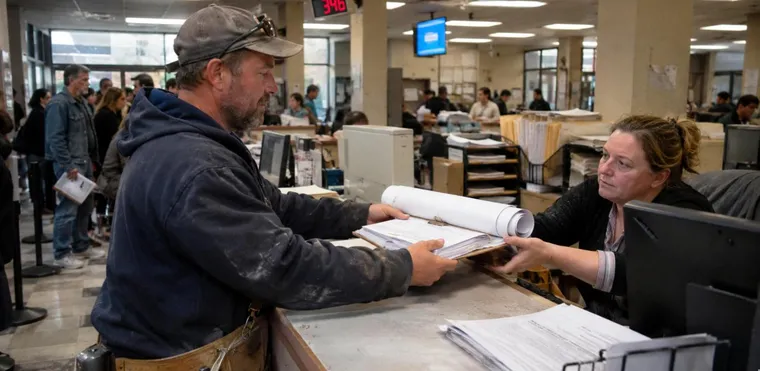
Ask any plumbing contractor about the most frustrating part of a big job, and many will not mention frozen crawlspaces or tangled drain lines. They will mention permits. Applications that bounce back for a missing signature. Packets rejected because an insurance certificate showed the wrong policy dates. Projects delayed weeks over a fixture count that did not match the drawings. In a November 25, 2026 article for CONTRACTOR magazine, construction administrative coordinator Mathew Kires laid out a simple 10-minute "preflight" check that can save weeks of delay, and he shared some eye-opening numbers. According to Jenny Song, CEO of permitting software firm Infilla, only about 10% to 15% of applications are complete at initial plan review, and incomplete applications can cycle for another 30 to 45 days. Denver, Kires noted, accepts about 37% of applications on the first round and is aiming for 80%.
At Best Plumbers, we are strong supporters of permits. They are one of the most important consumer protections in plumbing, because they bring an independent inspector to check work that will be hidden behind walls and under floors for decades. But permits only protect people when the process works smoothly. Kires's advice helps contractors get it right the first time, and it helps homeowners understand why the paperwork matters.
The Real Reason Permits Stall
Kires made a point that surprises many people: "Permit intake is a completeness check, not a technical review, and most packets fail it." In other words, most permit delays are not about bad plumbing design. They are about missing or mismatched paperwork. As he put it, Denver's gap between 37% first-round acceptance and its 80% target is not a craftsmanship gap.
He identified five common reasons applications get rejected.
1. A certificate is mistaken for coverage
Many jurisdictions require the contractor's insurance to name certain parties as additional insureds. An ACORD 25 certificate of insurance, the standard form contractors hand out, does not by itself grant additional-insured status. That requires an endorsement to the policy. Packets stall over wrong holder names, policy dates that do not cover the permit period, missing endorsements or outdated certificates. Kires summed it up: a certificate of insurance is a snapshot, not a promise.
2. Undervaluation
Permit fees are often based on the value of the work. Kires noted that Portland bases fees on fair market value, including trade systems and contractor profit, and that Oregon's model language allows denial of a permit if valuation is underestimated without approved detailed estimates. Leaving the plumbing and mechanical work out of the valuation, or lowballing it, can stop an application cold.
3. Missing signatures or authorizations
When someone other than the property owner applies, many jurisdictions require a signed owner authorization or affidavit. Kires cited California Health and Safety Code Section 19825, New Jersey's administrative code and Sacramento's executed-declarations requirement as examples.
4. Lapsed licenses or insurance
New York limits plumbing permits to licensed master plumbers with current credentials, and Washington's Department of Labor and Industries suspends plumbing contractor registrations if insurance certificates are not filed before expiration. A license or policy that lapses even briefly can derail a filing.
5. Scope conflicts with the drawings
Kires gave examples including a narrative describing two bathrooms while the plans showed three, an energy form built from an older drawing set and a San Francisco permit description that triggered an appeals condition requiring revision. Every number in the application has to match the plans.
The 10-Minute Preflight
Kires's checklist takes about 10 minutes before filing:
- Confirm the additional-insured endorsement is in the file, not just the certificate.
- Confirm the valuation covers all work, including mechanical and plumbing trades.
- Confirm every owner authorization and declaration is signed.
- Confirm every license and insurance policy is active on the filing day.
- Confirm the application's scope, fixture counts, areas and valuations match the drawings.
Simple? Yes. That is the point. Most delays come from small, preventable mismatches, and a brief, disciplined review before filing catches them.
Why Plumbing Permits Matter So Much
Some homeowners see permits as bureaucratic red tape. We understand the frustration, especially when delays pile up. But plumbing permits exist for very good reasons:
- Health and safety: Plumbing protects drinking water, removes waste and handles gas. An inspector verifies that work meets code.
- Hidden work: Pipes are buried in walls, slabs and yards. An inspection is often the only independent check before they disappear.
- Insurance: Insurers may question claims tied to unpermitted work.
- Resale: Buyers, appraisers and home inspectors may flag unpermitted additions, bathrooms or water heater installations, which can delay or derail a sale.
- Accountability: Permits usually require a licensed contractor, which connects the work to someone responsible for it.
We explain more in our guide on the importance of hiring a licensed plumber.
Which Plumbing Jobs Usually Need a Permit?
Rules vary from place to place, so always check with your local building department. As a general guide, these jobs commonly require a plumbing permit:
- Water heater replacement, especially gas units, because of venting, gas connections and relief valve requirements. See our water heater replacement guide.
- Repiping a home's water supply lines.
- Sewer line replacement or repair, including trenchless methods. Our pages on sewer line replacement and trenchless sewer repair explain the options.
- Water service line replacement from the street to the house.
- Gas line installation or extension for new appliances, grills, fire pits or generators.
- Adding or relocating fixtures during bathroom and kitchen remodels.
- Backflow preventer installation on irrigation and fire systems.
- Water softeners and treatment systems in some jurisdictions, particularly where drain connections are involved.
Minor repairs, such as fixing a leaky faucet, replacing a toilet flapper or clearing a drain, generally do not need permits. When in doubt, ask your plumber or call the building department.
The Homeowner's Version of the Preflight
Kires wrote his checklist for contractors, but homeowners can apply the same thinking before signing a contract:
- Ask whether a permit is required and who will obtain it. Get the answer in writing on the estimate.
- Verify the contractor's license on your state, provincial or local licensing board website. Make sure it is active.
- Ask for proof of insurance and confirm the dates cover your project. Remember Kires's line: a certificate is a snapshot.
- Make sure the scope is complete. If you are adding a third bathroom, the application should say three bathrooms, not two.
- Be ready to sign owner authorizations promptly if your jurisdiction requires them.
- Ask about inspection timing so you can plan access for the inspector.
- Keep copies of the permit, inspection results and final approval with your home records.
Our guide to eight things to consider before hiring a plumbing contractor covers the rest of the vetting process.
What Happens on Inspection Day
Many homeowners have never been through a plumbing inspection, so here is what usually happens. For a remodel or new construction, there are typically at least two inspections. The rough-in inspection happens after new pipes are installed but before walls, ceilings or floors are closed. The inspector checks pipe sizing, materials, slope on drain lines, venting, support and fastening, protection where pipes pass through framing, and the results of pressure tests on water lines and water or air tests on drain lines. The final inspection happens after fixtures are set and everything is connected. The inspector checks fixture installation, water heater venting and relief valve piping, gas connections, backflow protection where needed and overall code compliance.
For a simpler job like a water heater replacement, there may be just one inspection. The inspector will often look at the venting, the gas connection and sediment trap, the relief valve and its discharge line, seismic strapping where required, the expansion tank and clearances.
If something fails, the contractor corrects it and schedules a reinspection. A failed inspection is not a disaster; it is the system working as designed. What matters is that problems get caught before they cause harm. Make sure someone is home or the site is accessible on inspection day, keep pets secured and clear a path to the work area. A little preparation keeps your project moving.
Red Flags Around Permits
Be cautious if a contractor:
- Says a permit is not needed for a water heater, repipe, sewer replacement or gas work without checking.
- Offers a lower price if you skip the permit.
- Asks you to pull the permit as the homeowner so they can avoid licensing requirements.
- Cannot provide a current license number or insurance proof.
- Rushes to close walls before an inspection.
These are classic warning signs of unlicensed or corner-cutting operators. We have written about the consequences in our coverage of state attorneys general cracking down on deceptive plumbing companies.
Permits and Licensing Go Hand in Hand
Kires's examples from New York and Washington highlight how closely permits and licensing are tied. In many places, only licensed plumbers can pull plumbing permits, and their credentials must be current on the day they file. That connection is deliberate. It ensures that someone trained, tested and accountable is responsible for the work. As PHCC's new CEO Dan Quinonez put it in our recent article, the first question a homeowner should ask is whether the contractor is licensed. Read more in ask one question first.
Permits Around the World
Permit and inspection systems look different from country to country, but the goal is the same. In Australia, licensed plumbers often issue compliance certificates for their work, and regulators audit a share of jobs. In the United Kingdom, much plumbing work falls under building regulations, and gas work must be done by Gas Safe registered engineers. In Canada, provinces and municipalities run permit and inspection programs similar to those in the United States. New Zealand allows certain licensed professionals to self-certify some low-risk work, a change we covered in recent reporting. Wherever you live, the principle holds: important plumbing work deserves an independent check. Our article on Queensland's licensing changes shows how one jurisdiction is adjusting its rules.
How Building Departments Are Improving
The good news is that many cities are actively working to speed up permitting. Online submission portals, digital plan review, application checklists and software that flags missing items before submission are becoming more common. Denver's goal of raising first-round acceptance from 37% to 80% is a great example of a city setting a measurable target. When contractors do their part with a preflight check and cities do theirs with better tools, permits can protect homeowners without slowing projects to a crawl. That is a win for everyone.
The Hidden Cost of Delay
A permit that sits in limbo for an extra month is not just an inconvenience. Crews get reassigned, materials sit in storage, homeowners live with torn-up bathrooms or no hot water, and prices for fixtures and pipe can climb in the meantime. For contractors, idle time hurts cash flow and scheduling. For homeowners, it can mean higher costs and a longer disruption to daily life. Ten minutes of checking up front is cheap insurance against all of that.
A Word to Plumbing Contractors
If you run a plumbing business, Kires's checklist is one of the highest-return habits you can adopt. Assign someone to own permit paperwork. Keep a master file of current licenses, insurance endorsements and certificates. Track expiration dates on a calendar with reminders. Build a template for owner authorizations in each jurisdiction you serve. And review every application against the drawings before it goes out the door. Faster permits mean faster starts, happier customers and better cash flow. Companies that run professional operations like this stand out, and that is exactly what we look for in our rankings, described on our page about how we rank plumbers.
Our Take
Permits are a cornerstone of safe plumbing, and most delays are preventable with a few minutes of careful review. Contractors who adopt a preflight routine will save weeks. Homeowners who ask the right questions will avoid unpermitted work and the headaches that come with it.
When you need a licensed plumber who handles permits properly, Best Plumbers can help you find trusted plumbers near you, from Denver and Portland to Sacramento and beyond.
Frequently Asked Questions About Plumbing Permits and Permit Delays
1. Why do plumbing permits get delayed?
Most delays come from incomplete or mismatched paperwork rather than technical design problems.
2. How many permit applications are complete at first review?
About 10% to 15%, according to Infilla CEO Jenny Song as cited in CONTRACTOR magazine.
3. How long can incomplete applications take?
They can cycle for another 30 to 45 days.
4. What is Denver's first-round acceptance rate?
About 37%, with a target of 80%.
5. What is a permit preflight?
A quick 10-minute check of insurance, valuation, signatures, licenses and scope before filing.
6. Is a certificate of insurance enough?
Not always. Additional-insured status usually requires a policy endorsement, not just an ACORD 25 certificate.
7. Why does valuation matter for permits?
Fees are often based on the value of work, and undervaluing can lead to denial.
8. Who can pull a plumbing permit?
Usually a licensed plumbing contractor, and sometimes homeowners for their own homes, depending on local rules.
9. Do I need a permit to replace a water heater?
In many jurisdictions, yes. Check with your local building department.
10. Do I need a permit for a bathroom remodel?
If plumbing is moved, added or altered, a permit is usually required.
11. What happens if work is done without a permit?
You may face fines, required corrections, insurance issues or problems when selling the home.
12. Does a permit guarantee good work?
No, but it adds an independent inspection that catches many code violations.
13. What is a rough-in inspection?
An inspection of piping before walls or floors are closed.
14. What is a final inspection?
The last inspection confirming completed work meets code.
15. Who pays for the plumbing permit?
Usually the contractor includes it in the price, but confirm in the estimate.
16. Can a permit be pulled after work is done?
Some jurisdictions allow after-the-fact permits, which may require opening walls for inspection.
17. Why do jurisdictions require owner authorization?
To confirm the owner approves work filed by someone else.
18. What happens if a contractor's license lapses?
Permit applications can be rejected and the contractor may be unable to legally do the work.
19. Should I ask my plumber about permits?
Yes. Ask whether a permit is needed and who will obtain it.
20. Is a contractor who says permits are unnecessary a red flag?
Often yes, especially for water heaters, gas lines, repipes and remodels.
21. Do permit rules differ by location?
Yes. Requirements vary by city, county, state and country.
22. How can contractors speed up permits?
Use a preflight checklist, keep licenses and insurance current and match the application to the plans.
23. Does unpermitted plumbing affect home sales?
It can. Inspectors, appraisers and buyers may flag unpermitted work.
24. How do I check if past work was permitted?
Ask your local building department for the property's permit history.
25. How do I find a plumber who pulls permits?
Use Best Plumbers to find licensed plumbers near you and ask about permits before hiring.
Sources
- CONTRACTOR magazine: The 10-Minute Permit Preflight That Can Save Weeks

