
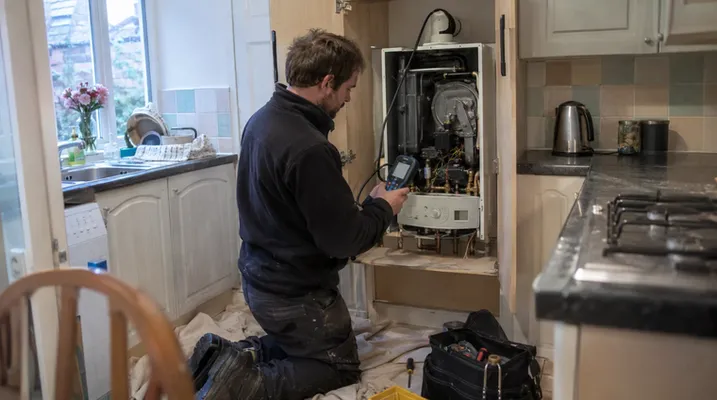
For years, British homeowners heard that the gas boiler in the kitchen cupboard might one day burn hydrogen instead of natural gas, and that the government would decide by 2026 whether to make it happen. The year has arrived, and the direction of travel is clear. A government update in March 2026 said hydrogen is not yet a proven technology for home heating and that any future role is likely to be limited, while promising to consult on its assessment. Pilot projects for hydrogen villages and a hydrogen town were scaled back or shelved, and attention has shifted firmly toward heat pumps, heat networks and electric heating. For the more than 20 million British homes heated by gas boilers, and for the heating engineers who keep them running, here is what the decision really means, and what it does not.
By the Best Plumbers Editorial Team. Published November 23, 2026.
We covered the rules for new homes in England’s Future Homes Standard. This article is about existing homes, the vast majority of Britain’s housing stock, and the question of what will heat them.
The Promise of Hydrogen
The appeal was obvious. Britain has one of the most extensive gas networks in the world. If hydrogen, which produces water rather than carbon dioxide when burned, could flow through existing pipes into boilers that look and work much like today’s, households could cut carbon without the disruption of new heating systems. Manufacturers developed hydrogen ready boilers that run on natural gas but can be converted to 100 percent hydrogen with a few component changes. The government consulted on requiring all new gas boilers to be hydrogen ready from 2026, and in its Heat and Buildings Strategy said it would decide by 2026 what role hydrogen would play.
What Happened
The government’s response to its boiler standards consultation made the hydrogen ready mandate conditional. It said it would require domestic gas boilers to be hydrogen ready only if a 2026 decision concluded that hydrogen would play a substantive role in decarbonising heat, and even then only from 2030. Meanwhile, trials ran into trouble. Planned hydrogen village trials were dropped after local opposition and practical concerns, and the government shelved plans for a larger hydrogen town pilot, saying it would rely on evidence from a smaller trial in Fife, Scotland, and from projects in Europe. Independent experts, including a parliamentary science committee, had long warned that hydrogen for home heating was unlikely to prove economically viable by the decision date.
According to Which?, a government update in March 2026 stated that hydrogen is not yet a proven technology for home heating and that any role it may have in the future is likely to be limited, while committing to consult in due course on its assessment. In practice, nobody should plan their heating around hydrogen arriving in their home any time soon.

Gas boilers will remain in millions of British homes for years, and annual servicing by a registered engineer remains essential.
Why Hydrogen Struggled
Efficiency. Making green hydrogen from electricity, then burning it in a boiler, uses several times more electricity than running a heat pump to deliver the same heat.
Cost and supply. Low carbon hydrogen is expensive and in limited supply, and many experts argue it is better used in heavy industry, shipping and power storage than in homes.
Safety and logistics. Hydrogen is a smaller molecule that leaks more easily, burns differently and would require changes to meters, appliances, pipework checks and safety procedures across millions of homes.
Public acceptance. Communities chosen for village trials raised concerns about safety, cost and choice, which contributed to their cancellation.
Supporters of hydrogen counter that it could still play a role in some areas near industrial clusters, that blending modest amounts into the gas grid could cut emissions and that keeping options open is prudent. That debate continues, but the centre of gravity has moved.
What This Means for Your Boiler Right Now
You do not need to rip out a working boiler. There is no ban on using existing gas boilers, and none has been proposed for homes that already have them. If yours is safe and efficient, keep it serviced and running.
Annual servicing still matters most, today and tomorrow. A yearly service by a Gas Safe registered engineer checks combustion, flue integrity and safety devices. Every home with a gas appliance should also have a working carbon monoxide alarm. We covered extra protections in carbon monoxide shutoff switches.
When it is time to replace, think ahead. If your boiler is old, inefficient or failing, get quotes for both a modern condensing boiler and a heat pump, and compare running costs, grants and the suitability of your home.
Do not pay extra for hydrogen readiness. Hydrogen ready labels should not be a reason to choose one boiler over another, given current policy.
Use only registered engineers. Work on gas appliances in Great Britain must be done by Gas Safe registered engineers. Fake engineers are prosecuted regularly, as we reported in our coverage of fake gas engineers. Always check the ID card and the register.
Getting the Most From the Boiler You Have
While the big policy questions play out, there is plenty homeowners can do to cut bills and emissions with their existing boiler. Lowering the flow temperature on a condensing combi boiler, often to around 60 degrees Celsius or lower for radiators, helps it condense and run more efficiently, and many homes stay just as comfortable. Bleeding radiators, balancing the system, adding thermostatic radiator valves and smart controls, and flushing sludge from old systems all help. Insulating the loft, cavity walls and hot water pipes reduces demand whatever heat source you use, and makes a future switch to a heat pump easier. A good heating engineer can make these adjustments during a routine service.
The Return of the Hot Water Cylinder
For two decades, combi boilers that heat water on demand pushed hot water cylinders out of many British homes. Heat pumps reverse that trend, because they usually heat water into a well insulated cylinder rather than instantly. Homeowners who removed their cylinder to gain cupboard space may need room for one again, and unvented cylinders must be installed and maintained by qualified engineers because they operate under mains pressure. If you are replacing an old cylinder or planning ahead, our water heater replacement guide explains your options, from modern cylinders to heat pump water heaters.
Gas Pipework and Safety
Whatever the future of the gas network, the gas pipes inside homes today must be safe. Old pipework, poorly made joints and DIY alterations can leak. If you smell gas, leave the property, avoid switches and flames and call the national gas emergency service from outside. Any alterations to gas supply pipes, meters or appliances must be done by registered professionals; our gas line installation and repair page explains what is involved. When homes eventually move off gas entirely, the supply will need to be capped safely by the network operator and a registered engineer.
Heat Pumps Take Centre Stage
With hydrogen sidelined for homes, heat pumps are the main low carbon option for most houses not connected to heat networks. Air source heat pumps extract heat from outside air even in winter and deliver it to radiators or underfloor heating, usually with a hot water cylinder. Government grants under the Boiler Upgrade Scheme in England and Wales, and separate schemes in Scotland and Northern Ireland, help with installation costs. Heat pumps work best in well insulated homes with properly sized radiators, and installation quality matters enormously. For a broader comparison of water heating approaches, see water heater types compared, and check rebates and incentives where you live.

Air source heat pumps are now the main low carbon heating option for many British homes.
Questions to Ask Before Replacing Your Boiler
Before committing to any new heating system, ask your installer a few questions. How old and efficient is my current boiler, and could repairs extend its life? What would a heat pump cost after grants, and what would it cost to run compared with a new boiler at current energy prices? Does my home need insulation or larger radiators first? Where would a hot water cylinder and outdoor unit go? What warranties, servicing plans and noise levels should I expect? Is the installer certified under the relevant schemes so I can claim grants? A good engineer will answer patiently and in writing, and will never pressure you to sign on the spot.
What It Means for Heating Engineers and Plumbers
Britain’s heating engineers are among the most skilled tradespeople in the country, and they will be central to whatever comes next. Gas boilers will need servicing and repair for many years, so gas skills remain valuable. At the same time, demand is growing for engineers qualified in heat pump design and installation, hot water cylinders, unvented systems and heat networks. Many gas engineers are adding heat pump qualifications to their skills, and industry bodies and colleges are expanding training. The clearer the policy direction, the easier it is for engineers to invest in the right training. Our plumbing associations page lists industry bodies that can help.
Ireland, Europe and Beyond
Britain is not alone in stepping back from hydrogen for homes. Several European countries that once studied hydrogen heating have shifted toward heat pumps and district heating for buildings, while reserving hydrogen for industry. Germany’s heating law debates, Ireland’s heat pump grants and the Netherlands’ push to move homes off gas all point the same way. Readers in other countries face versions of the same choice, and the lessons from Britain’s experience travel well.
The Debate
Advocates of a rapid shift to heat pumps argue that the hydrogen detour delayed action and confused consumers, and that the government should now commit firmly to electrification with stronger support for insulation and installation. Hydrogen supporters, including parts of the gas industry, argue that ruling it out for homes is premature, that heat pumps will not suit every home and that the gas network could still be repurposed in some regions. Consumer groups emphasise cost, warning that households need affordable options and stable rules. Fair minded observers can agree that clarity helps everyone, from families planning upgrades to engineers deciding which skills to learn.
A Salute to Britain’s Heating Engineers
Every winter, Britain’s heating engineers keep millions of families warm, often working long days during cold snaps. They have adapted through decades of change, from back boilers to combis to heat pumps, and they will adapt again. We salute their professionalism and their commitment to safety.
Our Take
Hydrogen boilers are fading from the picture for British homes, and that is useful clarity. If your boiler is working, keep it serviced. When the time comes to replace it, weigh a high efficiency boiler and a heat pump carefully, use grants where available and hire registered, qualified engineers. The future of British heating is being built by skilled people in vans, not by policy papers, and they deserve support and steady demand.
How Best Plumbers Helps
Best Plumbers has been the Internet’s original plumbing directory since July 12, 2002, and the most trusted, serving readers in the United Kingdom, Ireland, Australia, New Zealand, Canada, South Africa, the United States and beyond. We list every plumbing company and show every review, good and bad, and our Best Plumbers Recommended seal marks those we trust most. We never sell leads. Find heating engineers through our locations directory, read the reviews and learn why proper registration matters. For how heating practices differ by country, see is plumbing the same around the world.
The Short Version
Britain promised a 2026 decision on hydrogen for home heating. Its March 2026 update said hydrogen is unproven for homes and likely to play only a limited role, pilot projects were scaled back and any hydrogen ready boiler mandate would apply only if hydrogen was given a substantive role, and not before 2030. Keep your working boiler serviced, compare boilers and heat pumps when replacing, use grants and hire Gas Safe registered engineers.
Frequently Asked Questions About Hydrogen Boilers in the UK
1. Is the UK switching homes to hydrogen?
Current government thinking says any role for hydrogen in home heating is likely limited.
2. What did the March 2026 update say?
That hydrogen is not yet proven for home heating and the government will consult on its assessment.
3. Are hydrogen ready boilers mandatory?
No. A mandate would follow only a decision giving hydrogen a substantive role, and not before 2030.
4. What is a hydrogen ready boiler?
A natural gas boiler designed to be converted to run on hydrogen.
5. Were hydrogen trials cancelled?
Village trials were dropped and a hydrogen town pilot was shelved.
6. Is there still a hydrogen trial?
A smaller project in Fife, Scotland, has provided evidence.
7. Do I have to replace my gas boiler?
No, existing boilers can keep running.
8. How often should a boiler be serviced?
Once a year by a Gas Safe registered engineer.
9. Do I need a carbon monoxide alarm?
Yes, every home with a gas appliance should have one.
10. Why did hydrogen struggle?
Efficiency, cost, supply, safety logistics and public acceptance.
11. What is the main low carbon alternative?
Heat pumps, plus heat networks in some areas.
12. Are there grants for heat pumps?
Yes, including the Boiler Upgrade Scheme in England and Wales.
13. Will a heat pump work in my home?
Most homes can use one with good design and insulation.
14. Should I pay more for hydrogen readiness?
Current policy gives little reason to.
15. Who can work on gas appliances?
Only Gas Safe registered engineers in Great Britain.
16. How do I check an engineer?
Ask for the ID card and check the register.
17. Will gas engineers still be needed?
Yes, boilers will need servicing for many years.
18. Are engineers retraining?
Many are adding heat pump qualifications.
19. Could hydrogen be blended into the grid?
Some propose modest blending; it remains debated.
20. What about new homes?
The Future Homes Standard moves new homes away from gas boilers.
21. Is hydrogen safe?
It can be handled safely but requires different equipment and procedures.
22. What do critics of the decision say?
That ruling out hydrogen for homes may be premature.
23. What should I do when my boiler fails?
Get quotes for a modern boiler and a heat pump and compare.
24. How do I find a trusted heating engineer?
Search Best Plumbers, read every review, look for the Best Plumbers Recommended seal and check registration.
25. Why does Best Plumbers cover UK heating?
We serve readers in Britain and worldwide and champion skilled engineers.
Sources
Which?, hydrogen boilers: what you need to know. UK Government, improving boiler standards and efficiency. Energy Institute, heat pumps or hydrogen boilers. Yahoo News UK, hydrogen pilot shelved. National Audit Office, decarbonising home heating.

