
The federal 25C tax credit that covered 30 percent of a heat pump water heater, up to 2,000 dollars, ended for equipment placed in service after December 31, 2025. But the savings have not disappeared. Federal Home Electrification and Appliance Rebate programs, run by states, offer up to 1,750 dollars for a heat pump water heater for eligible income qualified households, and more than 20 states had active programs by mid 2026. Many utilities offer their own rebates too. Heat pump water heaters can cut water heating energy use dramatically, but they are not right for every home. Here is how to decide.
By the Best Plumbers Editorial Team. Published November 22, 2026.
Water heating is one of the largest energy uses in a typical home, often second only to space heating and cooling. For decades, most homes used standard electric resistance or gas storage tanks. Heat pump water heaters, sometimes called hybrid water heaters, offer a very different approach, and they have grown steadily in popularity in North America, Europe, Australia and New Zealand. At Best Plumbers, we have connected homeowners with water heater specialists since 2002, and we see these units every day. We also see the mistakes that happen when they are chosen or installed poorly.
What Changed in 2026
Under the Inflation Reduction Act, homeowners in the United States could claim a 30 percent federal tax credit, up to 2,000 dollars, for a qualifying heat pump water heater. Legislation enacted in July 2025, often called the One Big Beautiful Bill Act, ended that credit for property placed in service after December 31, 2025. Homeowners who installed a qualifying unit in 2025 can still claim the credit on their 2025 return.
What remains is a separate federal program: the Home Electrification and Appliance Rebates, often called HEAR. Funding already appropriated to states continues to flow, and states run their own programs. HEAR offers up to 1,750 dollars for a heat pump water heater for households that meet income limits, generally covering up to the full cost for lower income households and up to half for moderate income households. As of mid 2026, more than 20 states had active programs, though availability, rules and funding differ widely. Some reports indicate that federal program rules changed during 2026 in ways that may affect fuel switching projects, so confirm current eligibility with your state energy office before you buy.
Utilities are another major source of help. Many electric utilities offer rebates for heat pump water heaters, sometimes several hundred dollars or more, and some offer instant discounts through retailers or installers. Check our plumbing rebates page and your utility's website.
For a broader look at the regulatory landscape, read our article on new water heater rules for 2026 to 2029.
How a Heat Pump Water Heater Works
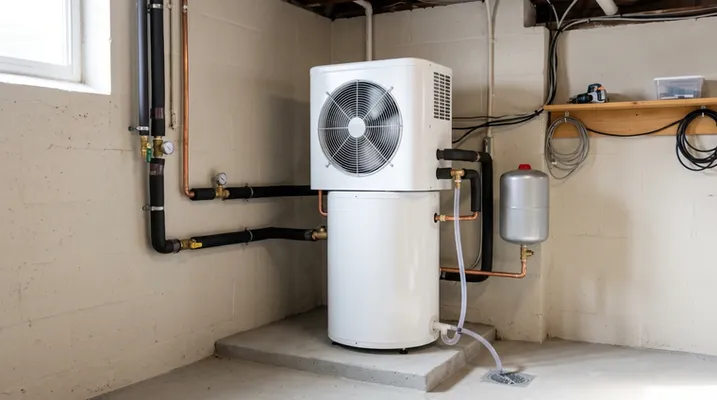
A conventional electric water heater heats water with resistance elements, much like a giant kettle. A heat pump water heater instead uses a small compressor and refrigerant, working like a refrigerator in reverse. A fan pulls in surrounding air, the refrigerant absorbs its heat, and the compressor concentrates that heat and transfers it into the water tank. Because it moves heat rather than creating it, a heat pump water heater can use a fraction of the electricity of a standard electric tank for the same hot water. Most units also have backup resistance elements for times of high demand.

Heat pump water heaters are taller and heavier than many standard tanks, so planning the installation space is essential.
The Benefits
Lower operating costs. For homes replacing electric resistance water heaters, savings can be substantial, often hundreds of dollars a year depending on usage and electricity prices.
Dehumidification and cooling. As they pull heat from the air, these units cool and dehumidify the space around them, which can be a bonus in a warm garage or a damp basement.
Smart controls. Many models offer modes such as efficiency, hybrid and high demand, along with vacation settings, leak alerts and app control.
Lower emissions. Using less electricity typically reduces emissions, especially as grids add more renewable energy.
The Drawbacks and Requirements
Heat pump water heaters are excellent in the right place, but they come with requirements that every homeowner should understand:
Space and air volume. They need enough surrounding air to draw heat from. Manufacturers specify minimum room volumes or require louvered doors or ducting in smaller spaces. A tiny closet may not work.
Temperature range. They work best where the surrounding air stays within a moderate range. In very cold spaces, efficiency drops and the unit relies more on backup elements.
Condensate drainage. Like an air conditioner, they produce condensate that must drain properly, usually to a floor drain or a condensate pump.
Noise. The compressor and fan make some noise, similar to a refrigerator or a window air conditioner, which matters if the unit is near bedrooms.
Cooling the space. In cold climates, the cooling effect can make an indoor utility room chillier in winter.
Upfront cost. Equipment and installation usually cost more than a standard tank. Rebates and energy savings help close the gap over time.
Electrical requirements. Many units need a dedicated 240 volt circuit, though newer 120 volt plug in models are designed to replace gas units more easily where a 240 volt circuit is not available.
Who Is a Good Candidate?
A heat pump water heater often makes sense if you currently have an electric resistance water heater, have a basement, garage or utility room with adequate space and moderate temperatures, have a family that uses a fair amount of hot water and can access rebates. It may be less suitable if your only installation location is a small, tight closet, if the unit would sit in a very cold unheated space for much of the year or if noise near living spaces is a concern. Homes with gas water heaters can switch too, but the cost comparison depends on local gas and electricity prices and on whether electrical upgrades are needed.
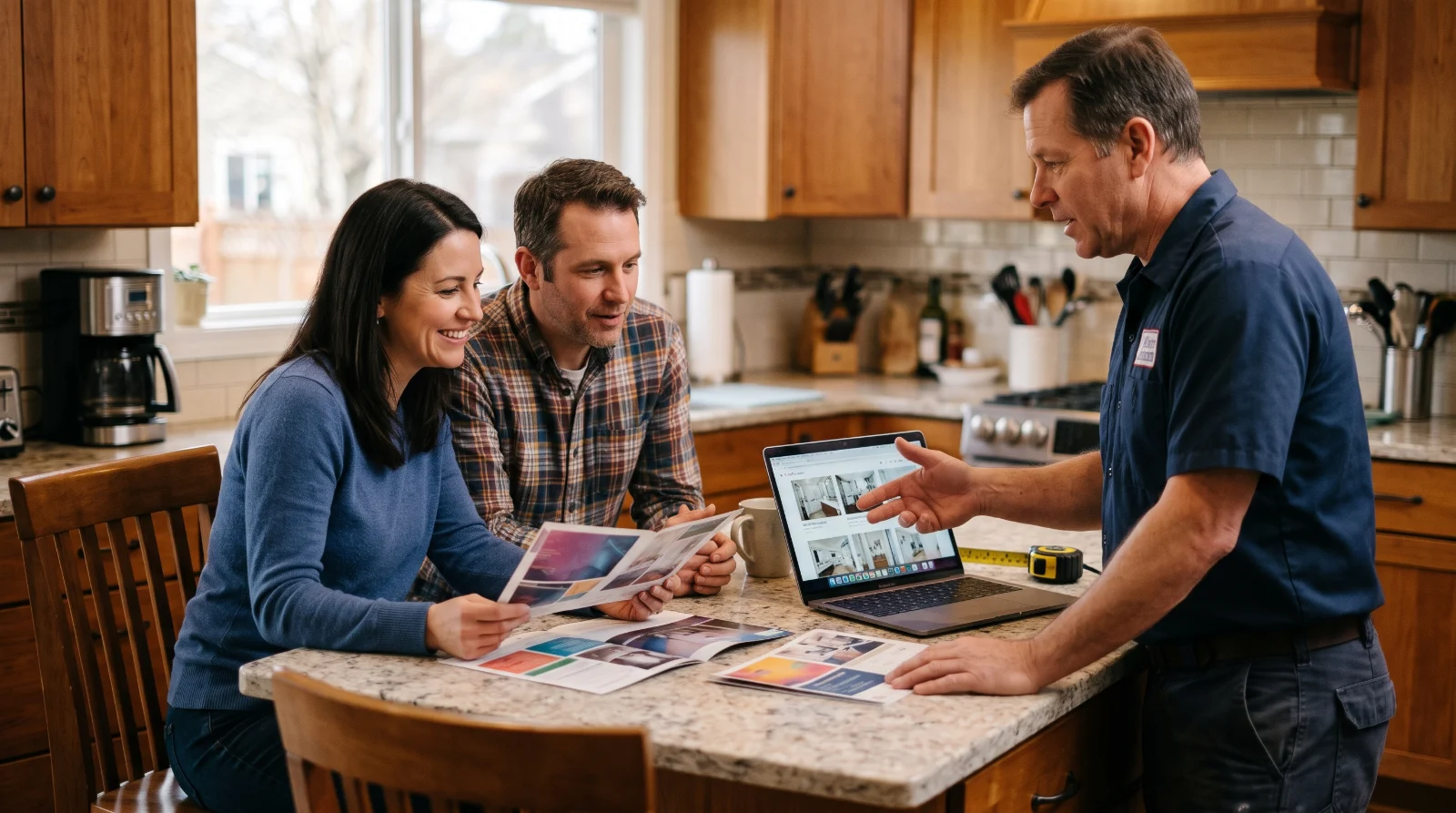
A good plumber will compare options, costs and rebates for your specific home rather than pushing one product for everyone.
How Heat Pump Units Compare to Other Options
Every water heater type has strengths. Standard tanks are simple and affordable upfront. Tankless units save space and deliver endless hot water within their flow capacity, as we explain in our honest guide to tankless water heaters. Heat pump units often deliver the lowest operating costs for electric homes. For a side by side look, see water heater types compared. Rural homes using propane face their own considerations, which we covered in our article on Colorado's propane water heater reprieve. If tankless suits you better, browse tankless water heater installation specialists.
Sizing a Heat Pump Water Heater Correctly
Sizing matters even more with heat pump units than with standard tanks, because they recover hot water more slowly in their most efficient mode. A household that runs out of hot water will switch the unit into high demand mode, which uses the backup elements and erodes the savings. Your plumber should consider the number of people in the home, bathrooms, simultaneous uses such as showers running while the dishwasher and washing machine operate, and any large soaking tubs. Many families move up one size, for example from a 50 gallon standard tank to a 65 gallon heat pump unit, to keep the unit in efficiency mode most of the time. Setting a mixing valve so the tank stores water hotter while delivering safe temperatures at the tap can also stretch capacity.
Real World Expectations
Owners who are happiest with heat pump water heaters usually share a few traits. Their units sit in roomy, moderate spaces like basements or garages in mild climates. They chose a size with a little extra capacity. Their installer set the unit to an efficiency or hybrid mode and explained how to use it. They clean the filter a few times a year. Owners who are disappointed often had units squeezed into small closets, sized too small or installed without attention to condensate drainage. Talk to your plumber honestly about how your family uses hot water, and you will greatly improve your odds of a great result.
Installation Matters as Much as the Unit
A heat pump water heater installed poorly will disappoint. Proper installation includes choosing the right location and capacity, providing adequate air volume or ducting, installing a correct condensate drain, using required expansion tanks, temperature and pressure relief piping and thermal expansion control, providing the right electrical circuit, setting a sensible temperature and configuring the operating mode for the household. Permits are often required. Find experienced professionals in our water heater installation and water heater replacement listings.
Planning Ahead Saves Money
Most water heaters are replaced in an emergency, when the old tank leaks or stops heating. In that moment, homeowners usually take whatever is available, often a standard tank like the old one. If you want a heat pump unit, plan before your current heater fails. Check its age on the label; many tanks last roughly 8 to 12 years. Research rebates, confirm space and electrical requirements and get quotes in advance. Some programs require pre approval or specific installers, so start early. Our plumbing cost guide can help you budget.
Warning: Rebate Confusion and Overpromising
With incentives changing, some sellers still advertise the expired federal tax credit or promise rebates a homeowner will not qualify for. Others quote very low prices and leave out the electrical work, condensate pump, permits or haul away. Protect yourself: confirm rebates directly with your state program or utility, read terms carefully, get itemized written quotes, verify licensing and read reviews. If a deal sounds too good to be true, ask more questions.
Maintenance Tips
Heat pump water heaters need a little regular care. Clean the air filter every few months, since a clogged filter reduces efficiency. Keep the condensate drain clear. Flush the tank periodically to remove sediment, especially in hard water areas. Test the temperature and pressure relief valve as recommended, and check the anode rod on schedule. If performance drops, call a technician from our water heater repair listings.
A Global Trend
Heat pump water heaters are gaining ground well beyond the United States. Australia and New Zealand have long encouraged them through state and local programs, and several European countries promote heat pumps to cut energy use. The core advice is the same everywhere: choose the right location, size it properly and use a qualified installer.
How Best Plumbers Helps
Best Plumbers has been the Internet's original plumbing directory since July 12, 2002, and the most trusted. We list every plumbing company and every review, good and bad, and our Best Plumbers Recommended seal marks companies we trust most. We never sell leads. Find water heater pros in our locations directory and read the reviews before you hire.
The Bottom Line
The federal tax credit is gone, but heat pump water heaters remain a smart choice for many homes, and rebates up to 1,750 dollars through state HEAR programs, plus utility incentives, can still cut the cost. Make sure your installation space, climate and electrical service suit the unit, plan ahead before your old heater fails, confirm incentives directly and hire an experienced, licensed installer.
Frequently Asked Questions About Heat Pump Water Heaters
1. Is the federal tax credit for heat pump water heaters still available?
No. The 25C credit ended for equipment placed in service after December 31, 2025. Units installed in 2025 can still be claimed on 2025 returns.
2. What rebates are still available in 2026?
State HEAR programs offer up to 1,750 dollars for eligible households, and many utilities offer their own rebates.
3. Who qualifies for HEAR rebates?
Eligibility is income based and set by each state program. Lower income households may receive larger shares of the cost.
4. How many states offer HEAR rebates?
More than 20 states had active programs by mid 2026. Check your state energy office for current status.
5. How does a heat pump water heater work?
It uses a compressor and refrigerant to move heat from surrounding air into the water, using much less electricity than resistance heating.
6. How much can a heat pump water heater save?
Compared with electric resistance tanks, savings can be hundreds of dollars a year, depending on use and electricity prices.
7. Do heat pump water heaters need a lot of space?
They need adequate air volume. Manufacturers specify minimum room sizes or require louvered doors or ducting.
8. Can I install one in a closet?
Sometimes, with louvered doors or ducting. Small sealed closets often do not work without modifications.
9. Do heat pump water heaters work in cold climates?
Yes, but efficiency drops in very cold spaces. Location in a conditioned or moderate space helps.
10. Are they noisy?
They make some noise, similar to a refrigerator or window air conditioner. Avoid placing them next to bedrooms.
11. Do heat pump water heaters need a drain?
Yes. They produce condensate that must drain to a floor drain or condensate pump.
12. Do they need a 240 volt circuit?
Many do, but some newer models plug into a standard 120 volt outlet, which can simplify replacing gas units.
13. How long do heat pump water heaters last?
Lifespan varies by model, water quality and maintenance, and is broadly similar to quality storage tanks.
14. Can I replace a gas water heater with a heat pump unit?
Often yes, but compare local fuel prices, electrical needs and current rebate rules first.
15. Do heat pump water heaters cool the room?
Yes. They cool and dehumidify surrounding air, which can be helpful in warm spaces and less welcome in cold ones.
16. What maintenance do they need?
Clean the air filter, keep the condensate drain clear, flush sediment, test the relief valve and check the anode rod.
17. Is a heat pump better than tankless?
It depends. Heat pump units often have the lowest operating cost for electric homes, while tankless saves space and offers continuous hot water.
18. Do I need a permit to install one?
Often yes. Requirements vary by jurisdiction, and a licensed plumber can handle permits.
19. Why plan ahead before my water heater fails?
Emergency replacements leave little time to compare options, confirm rebates or prepare space and wiring.
20. How do I confirm rebate eligibility?
Contact your state energy office and utility directly, and check whether pre approval or specific installers are required.
21. Are some sellers still advertising the expired credit?
Some outdated materials still mention it. Verify incentives directly before relying on them.
22. What should a heat pump water heater quote include?
Equipment, labor, electrical work, condensate drainage, expansion tank, permits and haul away of the old unit.
23. Are heat pump water heaters popular outside the US?
Yes. Australia, New Zealand and several European countries encourage them through local programs.
24. How do I find a qualified installer?
Search Best Plumbers, read every review, look for the Best Plumbers Recommended seal and ask about heat pump experience.
25. Why does Best Plumbers cover water heater incentives?
Since 2002, Best Plumbers has helped homeowners make smart water heater decisions, and incentives change what makes sense.
Sources
ENERGY STAR, Home Electrification and Appliance Rebates. EnergySage, heat pump incentives. Oregon Department of Energy, HEAR program. ACHR News, life after the federal credit.

